
Natural Killer Cell
Natural Killer Cells are a crucial component of the innate immune system, representing a frontline defense against infections and cancer. These specialized lymphocytes play a vital role in identifying and eliminating compromised cells without prior sensitization.
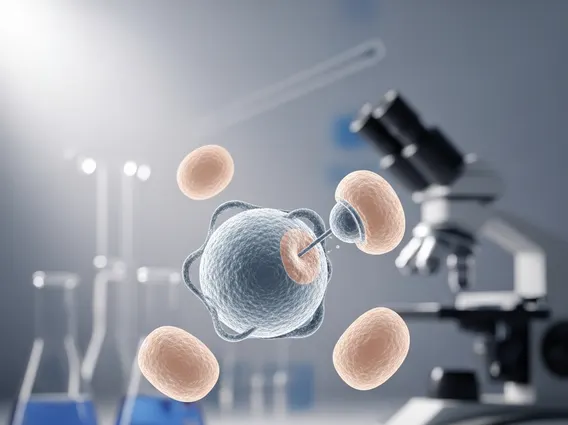
Key Takeaways
- Natural Killer Cells are lymphocytes of the innate immune system, providing rapid defense.
- They can identify and destroy virus-infected cells and cancer cells without needing antibodies or MHC recognition.
- NK cells contribute to immune surveillance and the early response to pathogens.
- Their activity is regulated by a balance of activating and inhibitory signals from target cells.
- Dysfunction in NK cells can lead to increased susceptibility to infections and certain cancers.
What is a Natural Killer Cell?
Natural Killer Cells (NK cells) are a type of lymphocyte, a white blood cell, that belongs to the innate immune system. Unlike T-cells and B-cells, which are part of the adaptive immune system and require specific antigen recognition, NK cells provide a rapid, non-specific defense against various threats. They are named for their ability to “naturally” kill target cells without prior activation or sensitization. These cells originate in the bone marrow and circulate throughout the blood and lymphatic system, constantly surveying for abnormal cells. The natural killer cell definition emphasizes their role as cytotoxic lymphocytes capable of inducing apoptosis (programmed cell death) in target cells. They are particularly effective against cells infected with viruses and tumor cells, which often downregulate the expression of Major Histocompatibility Complex (MHC) class I molecules, a signal that usually protects healthy cells from NK cell attack.
Natural Killer Cell Function and Immune System Role
The natural killer cell function is multifaceted, primarily involving the direct killing of target cells and the production of cytokines that modulate other immune responses. NK cells identify compromised cells through a complex interplay of activating and inhibitory receptors on their surface. Healthy cells express MHC class I molecules, which bind to inhibitory receptors on NK cells, preventing an attack. However, virus-infected cells or cancer cells often reduce their MHC class I expression, removing this inhibitory signal. Simultaneously, these abnormal cells may express stress ligands that bind to activating receptors on NK cells, tipping the balance towards activation and subsequent killing. This mechanism, often referred to as “missing self” recognition, is central to their surveillance role.
Once activated, NK cells release cytotoxic granules containing perforin and granzymes. Perforin creates pores in the target cell membrane, allowing granzymes to enter and trigger a cascade of events leading to apoptosis. Beyond direct cytotoxicity, natural killer cells immune system role extends to immune regulation through cytokine secretion. They produce cytokines such as interferon-gamma (IFN-γ) and tumor necrosis factor-alpha (TNF-α), which enhance the activity of other immune cells like macrophages and T-cells, further bolstering the immune response. For instance, IFN-γ is crucial for activating macrophages and promoting a Th1 immune response, vital for clearing intracellular pathogens.
The importance of NK cells is highlighted by their prevalence and impact on health. According to a study published in the Journal of Leukocyte Biology, NK cells constitute approximately 5-15% of all circulating lymphocytes in healthy individuals, underscoring their significant presence in the immune system. Their robust activity is essential for immune surveillance, protecting the body from nascent tumors and viral infections.
Here are some key aspects of their immune system role:
- Direct Cytotoxicity: Eliminating virus-infected and cancerous cells through perforin and granzyme release.
- Cytokine Production: Secreting IFN-γ and TNF-α to modulate and enhance other immune responses.
- Immune Surveillance: Continuously monitoring the body for abnormal cells, acting as a first line of defense.
- Interaction with Adaptive Immunity: While part of the innate system, NK cells can influence adaptive responses by interacting with dendritic cells and T cells.
Dysregulation of NK cell activity can have significant health implications. For example, individuals with impaired NK cell function may be more susceptible to severe viral infections, such as herpesviruses, and have an increased risk of developing certain types of cancer. Conversely, overactive NK cells can contribute to autoimmune conditions or complications in transplantation. Research continues to explore ways to harness NK cell power for therapeutic applications, particularly in cancer immunotherapy, where they show promise as “off-the-shelf” cell therapies.



















