Nasoscopy
Nasoscopy is a common medical procedure used to examine the nasal passages and surrounding structures. This diagnostic tool allows healthcare professionals to visualize areas that are otherwise difficult to see, aiding in the accurate diagnosis and management of various conditions affecting the nose and sinuses.
Key Takeaways
- Nasoscopy is a diagnostic procedure involving a thin, flexible or rigid tube with a camera to examine the nasal cavity and throat.
- The primary purpose of nasoscopy is to diagnose conditions like chronic sinusitis, nasal polyps, and unexplained nasal symptoms.
- The nasoscopy procedure explained involves preparing the nasal passages, inserting the endoscope, and carefully examining the internal structures.
- Detailed nasoscopy examination details include assessing the nasal septum, turbinates, sinus drainage pathways, and the nasopharynx.
- It is generally a safe and well-tolerated outpatient procedure, often performed in a doctor’s office.
What is Nasoscopy?
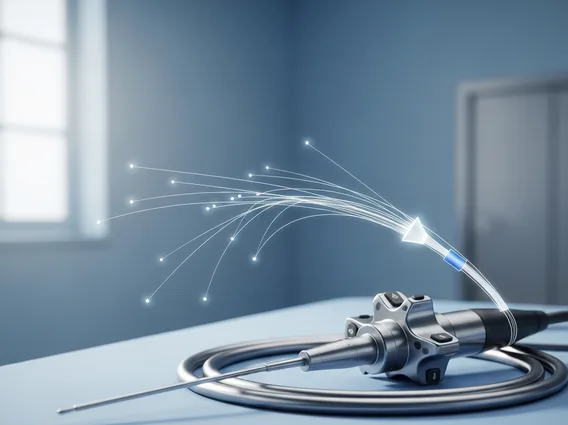
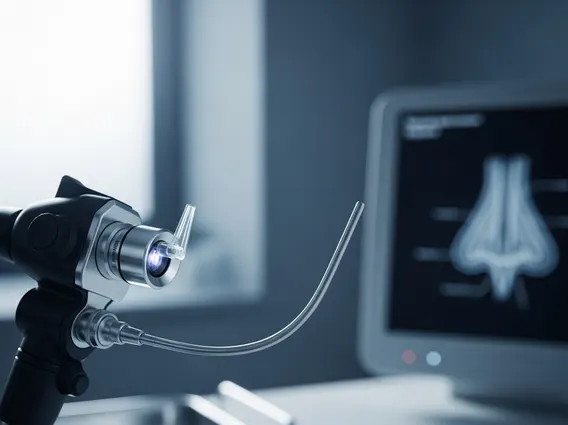
Nasoscopy is a medical procedure that involves the use of a thin, lighted tube with a camera (an endoscope or nasoscope) to visualize the inside of the nasal passages and the nasopharynx (the upper part of the throat behind the nose). This examination allows physicians to thoroughly inspect the mucous membranes, nasal septum, turbinates, and the openings of the paranasal sinuses. It is a fundamental tool in otolaryngology (ear, nose, and throat medicine) for diagnosing a wide range of nasal and sinus conditions.
The procedure provides a magnified, clear view of the internal nasal structures, which is crucial for identifying abnormalities that might not be visible during a standard physical examination. Depending on the specific needs, the endoscope can be either rigid or flexible, allowing for comprehensive assessment and, if necessary, the collection of tissue samples (biopsies).
Purpose and Indications for Nasoscopy
The primary purpose of nasoscopy is to diagnose and monitor various conditions affecting the nasal cavity and paranasal sinuses. It helps identify the underlying causes of persistent symptoms and guides appropriate treatment strategies. This examination is often indicated for patients experiencing a range of nasal and sinus issues.
Common indications for a nasoscopy include:
- Chronic nasal congestion or obstruction
- Recurrent nosebleeds (epistaxis)
- Persistent facial pain or pressure
- Loss or alteration of smell (anosmia or dysosmia)
- Suspected nasal polyps or other growths
- Evaluation of chronic sinusitis or recurrent sinus infections
- Investigation of foreign bodies in the nasal passages
- Assessment of post-surgical healing in the nose or sinuses
- Screening for potential tumors in the nasal cavity or nasopharynx
By providing direct visualization, nasoscopy enables precise identification of inflammation, structural abnormalities, and other pathological changes, which are critical for accurate diagnosis and effective management plans.
The Nasoscopy Procedure Explained
The nasoscopy procedure explained is typically performed in an outpatient setting, such as a doctor’s office, and usually takes only a few minutes. Patients are often seated comfortably during the examination. Before the procedure begins, a topical decongestant spray may be applied to reduce swelling in the nasal passages, and a local anesthetic spray may be used to numb the area, minimizing discomfort.
Once the nasal passages are prepared, the physician gently inserts the thin endoscope into one nostril. The endoscope is slowly advanced, allowing the doctor to visualize the internal structures on a monitor. The process is then repeated for the other nostril. Patients may feel some pressure or a sensation of fullness, but it is generally not painful. They are usually able to breathe normally through their mouth during the procedure.
The nasoscopy examination details involve a systematic inspection of several key areas. The physician carefully examines the nasal septum (the wall dividing the nostrils), the turbinates (bony structures that warm and humidify air), the drainage pathways of the paranasal sinuses, and the nasopharynx. Any signs of inflammation, infection, polyps, tumors, or other abnormalities are noted. If suspicious tissue is observed, a small biopsy may be taken through the endoscope for further laboratory analysis. After the examination, patients can typically resume their normal activities immediately, though some may experience minor nasal irritation or a temporary numb sensation.