
Naloxone
Naloxone is a critical medication designed to rapidly reverse the effects of opioid overdose. It plays a vital role in emergency medical care and public health efforts to combat the opioid crisis.
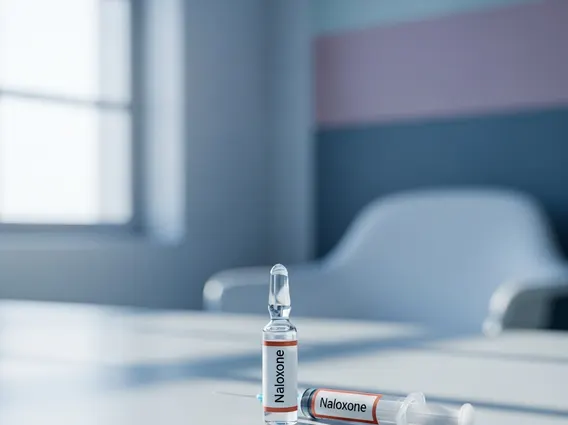
Key Takeaways
- Naloxone is an opioid antagonist that quickly reverses opioid overdose effects.
- It works by blocking opioid receptors in the brain, restoring normal breathing.
- Common forms include nasal spray and injectable solutions, both easy to administer.
- While life-saving, it can cause immediate opioid withdrawal symptoms.
- It is increasingly available without a prescription at pharmacies and through community programs.
What is Naloxone and How it Works
Naloxone is an opioid antagonist medication that rapidly reverses the effects of an opioid overdose. It is a life-saving intervention that can restore normal breathing to a person whose breathing has slowed or stopped due to an opioid overdose. This medication is available in various forms, including injectable solutions and pre-filled nasal sprays, making it accessible for emergency use by both medical professionals and trained laypersons.
Naloxone works by binding to opioid receptors in the brain, effectively blocking opioids from attaching to these receptors or displacing any opioids already attached. This action rapidly reverses the central nervous system and respiratory depression caused by opioids. The onset of action is typically within minutes, and its effects can last for approximately 30 to 90 minutes. Because the effects of some opioids can last longer than naloxone, multiple doses may be necessary, and medical follow-up is always crucial after administration. According to the Centers for Disease Control and Prevention (CDC), increased access to and use of naloxone has been a key strategy in reducing opioid overdose deaths across the United States.
Naloxone Uses and Potential Side Effects
Naloxone is primarily used to reverse the life-threatening effects of an opioid overdose, which can include prescription opioids like oxycodone and hydrocodone, as well as illicit opioids such as heroin and fentanyl. Its immediate administration can prevent brain damage or death by restoring normal breathing and consciousness. It is a crucial tool for first responders, healthcare providers, and individuals in the community who may witness an overdose.
While naloxone is a safe and effective medication, especially in emergency situations, naloxone side effects can occur. These side effects are primarily related to the sudden onset of opioid withdrawal symptoms, as naloxone rapidly removes opioids from the body. Common side effects may include:
- Nausea and vomiting
- Diarrhea
- Muscle aches and body pain
- Increased heart rate
- Agitation or irritability
- Sweating and shivering
- Runny nose and yawning
It is important to note that these side effects, while uncomfortable, are generally not life-threatening and are a sign that the naloxone is working to reverse the overdose. The benefits of reversing an opioid overdose far outweigh the risks associated with these temporary withdrawal symptoms.
Accessing Naloxone: Where to Get It
Access to naloxone has expanded significantly in recent years as part of public health initiatives to combat the opioid crisis. It is increasingly available without a personal prescription, making it easier for individuals, families, and community members to obtain this life-saving medication. You can typically get naloxone from several sources:
Many pharmacies now offer naloxone directly to individuals under standing orders or collaborative practice agreements, meaning a doctor’s individual prescription is not required. It is advisable to check with your local pharmacy about their specific policies and availability. Additionally, community-based overdose prevention programs often provide free naloxone kits and training on how to use them. These programs are vital in distributing naloxone to at-risk populations and their support networks. Healthcare providers, including doctors and clinics, can also prescribe naloxone, especially for patients who are at high risk of opioid overdose or who are prescribed high doses of opioids.
The two most common forms available are nasal spray (e.g., Narcan, Kloxxado) and injectable solutions (e.g., Evzio auto-injector). Both are designed for ease of use in an emergency. Having naloxone readily available can make a critical difference in an overdose situation, providing a window of opportunity for emergency medical services to arrive.



















