N Acetyl L Cysteine
N Acetyl L Cysteine is a derivative of the amino acid L-cysteine, playing a crucial role in various biological processes. It is widely recognized for its antioxidant properties and its function as a precursor to glutathione, a powerful antioxidant in the body.
Key Takeaways
- N Acetyl L Cysteine (NAC) is a precursor to glutathione, a vital antioxidant.
- It supports detoxification pathways and has mucolytic properties, aiding in mucus clearance.
- NAC is clinically used as an antidote for acetaminophen overdose and in managing certain respiratory conditions.
- Potential benefits include antioxidant support, immune modulation, and liver protection.
- Common side effects are generally mild, such as nausea or gastrointestinal upset.
What is N Acetyl L Cysteine (NAC)?
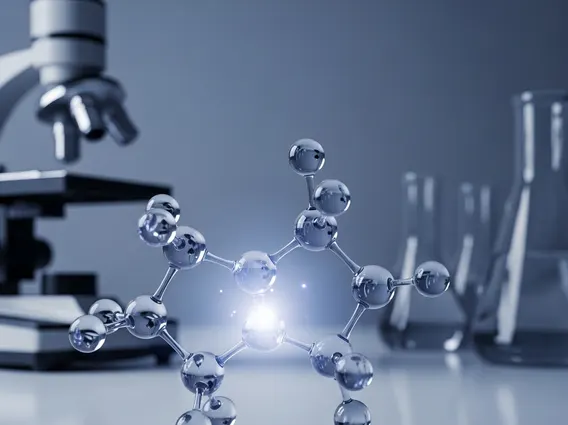
N Acetyl L Cysteine (NAC) is a modified form of the sulfur-containing amino acid L-cysteine. It serves as a vital precursor to glutathione, one of the body’s most important endogenous antioxidants. Glutathione plays a critical role in neutralizing free radicals, detoxifying harmful substances, and supporting immune function. NAC itself also possesses direct antioxidant properties, contributing to cellular protection against oxidative stress. Its unique chemical structure allows it to break disulfide bonds in mucus, making it an effective mucolytic agent, which is particularly beneficial in respiratory conditions by thinning thick secretions. Beyond its antioxidant and mucolytic actions, NAC is involved in regulating various cellular processes, including inflammation and gene expression.
Benefits and Therapeutic Uses of N Acetyl L Cysteine
The therapeutic applications and N Acetyl L Cysteine benefits are diverse, stemming primarily from its role as a glutathione precursor and its direct antioxidant effects. One of its most well-established N Acetyl L Cysteine uses is as an antidote for acetaminophen (paracetamol) overdose, where it helps replenish glutathione stores in the liver, preventing severe hepatic damage. According to the American Association of Poison Control Centers, NAC is highly effective in preventing liver injury when administered within 8 hours of an acute overdose.
Beyond overdose treatment, NAC is widely used for its mucolytic properties, particularly in respiratory conditions. It helps thin thick mucus, making it easier to clear from the airways, which can benefit individuals with:
- Chronic obstructive pulmonary disease (COPD)
- Cystic fibrosis
- Bronchitis
- Asthma
Furthermore, NAC’s antioxidant and anti-inflammatory actions are being explored for their potential in various other health areas, including mental health conditions, kidney protection, and even some neurological disorders. Its ability to support the body’s detoxification pathways makes it a valuable compound in clinical settings.
Potential Side Effects of N Acetyl L Cysteine
While generally considered safe for most people, N Acetyl L Cysteine side effects can occur, particularly at higher doses or in sensitive individuals. The most common adverse reactions are typically mild and gastrointestinal in nature. These may include nausea, vomiting, diarrhea, stomach upset, and heartburn. Less commonly, individuals may experience skin rashes, hives, or drowsiness. Allergic reactions, though rare, can be severe and may manifest as difficulty breathing, swelling, or a significant drop in blood pressure, requiring immediate medical attention.
It is crucial to consult a healthcare professional before starting any N Acetyl L Cysteine supplementation, especially for individuals with pre-existing medical conditions, those who are pregnant or breastfeeding, or those taking other medications, to ensure its appropriateness and to monitor for any adverse effects. This information is for supportive purposes only and does not replace professional medical treatment or advice.