Music Therapy
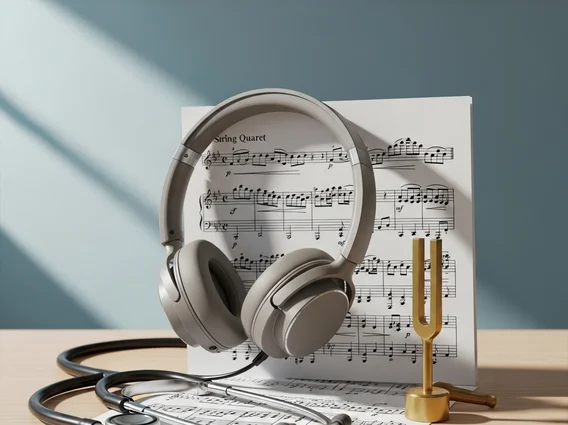
Music Therapy is a clinical and evidence-based intervention that uses music to address physical, emotional, cognitive, and social needs of individuals. It is delivered by a credentialed professional who has completed an approved music therapy program.
Key Takeaways
- Music Therapy is a clinical intervention utilizing music to achieve individualized goals.
- It is practiced by board-certified music therapists in various healthcare settings.
- The therapy works by engaging multiple brain areas involved in emotion, memory, and motor control.
- Benefits include pain management, stress reduction, and improved communication.
- Techniques range from active music-making to receptive listening.
What is Music Therapy?
Music Therapy refers to the clinical and evidence-based use of music interventions to accomplish individualized goals within a therapeutic relationship by a credentialed professional who has completed an approved music therapy program. It is a recognized healthcare profession that serves individuals of all ages and abilities. This therapeutic approach leverages the universal power of music to facilitate healing and well-being, addressing a wide range of physical, emotional, cognitive, and social needs. Music therapists assess client needs and develop treatment plans, using music as a tool to achieve non-musical goals.
How Music Therapy Works
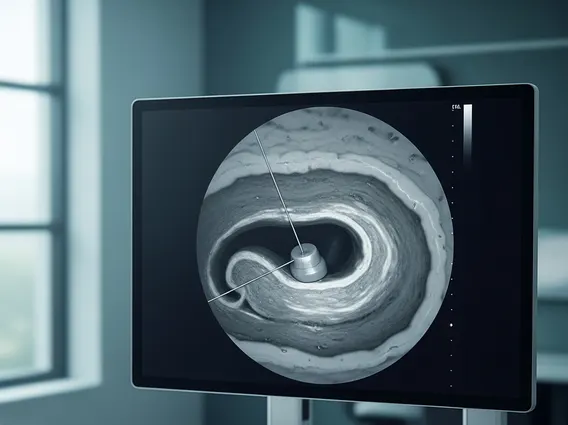
Music Therapy works by engaging various parts of the brain simultaneously, including those responsible for emotion, memory, motor control, and sensory processing. When individuals participate in music activities, their brains respond in complex ways that can lead to therapeutic outcomes. For instance, rhythmic elements can influence motor coordination, while melodic and harmonic structures can evoke emotional responses and facilitate emotional processing. The structured nature of music can also provide a framework for organizing thoughts and improving communication skills. A board-certified music therapist tailors interventions to the client’s specific needs, utilizing the unique properties of music to stimulate desired changes. For example, listening to calming music can reduce heart rate and blood pressure, while active music-making can improve fine motor skills and self-expression.
Benefits and Techniques of Music Therapy
The benefits of music therapy are extensive and well-documented across various populations and conditions. It can significantly improve quality of life and functional abilities. According to the American Music Therapy Association, research supports its effectiveness in areas such as pain management, stress and anxiety reduction, mood regulation, and improvement in communication and social skills. For example, a study published in the Journal of Pain and Symptom Management found that music therapy can reduce pain and anxiety in cancer patients. It is also utilized in rehabilitation settings to help patients regain motor function after stroke or injury, and in mental health to address depression, trauma, and other psychological challenges.
Music therapy techniques are diverse and chosen based on the client’s goals and preferences. These techniques can be broadly categorized into active and receptive approaches:
- Active Music-Making: This involves the client directly participating in creating music. Examples include playing instruments (percussion, keyboard, guitar), singing, songwriting, and improvising. These activities can enhance self-expression, motor skills, and social interaction.
- Receptive Music Listening: This involves the client listening to music, often with guided imagery or relaxation exercises. It can be used for stress reduction, pain management, emotional processing, and cognitive stimulation.
- Lyric Analysis: Exploring the meaning of song lyrics to facilitate discussion about emotions, experiences, and coping strategies.
- Movement to Music: Using music to guide physical movement, which can improve coordination, balance, and body awareness.
These techniques are applied in individual or group settings, always under the guidance of a qualified music therapist who adapts the approach to meet the unique needs of each client.
Please note that information regarding complementary therapies like Music Therapy is for supportive purposes only and does not replace professional medical diagnosis, treatment, or advice. Always consult with a qualified healthcare provider for any health concerns.