Mung Bean
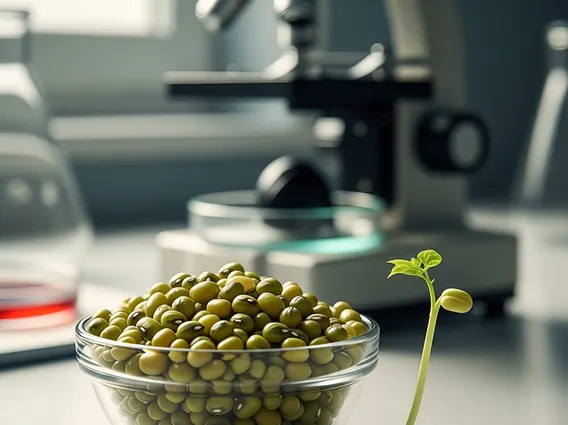
The Mung Bean (Vigna radiata) is a small, green legume belonging to the pea family, widely cultivated and consumed across Asia, particularly in traditional diets and culinary practices. Recognized for its nutritional density and versatility, it serves as a staple food source and is valued for its potential health-promoting properties.
Key Takeaways
- Mung Bean is a highly nutritious legume, rich in protein, fiber, vitamins, and minerals.
- It offers several health benefits, including supporting digestive health, regulating blood sugar, and providing antioxidant effects.
- The plant is an annual legume thriving in warm climates, typically harvested for its seeds.
- Mung Beans are a versatile ingredient, used in various culinary applications from sprouts to main dishes.
What is Mung Bean?
Mung Bean refers to the edible seeds of Vigna radiata, an annual plant native to the Indian subcontinent. These small, oval-shaped legumes are a significant component of diets in many Asian countries, where they are consumed whole, split, sprouted, or ground into flour. Historically, mung beans have been cultivated for thousands of years, prized for their ease of growth and substantial nutritional contribution. They are a vital source of plant-based protein, particularly important in vegetarian and vegan diets globally.
Often utilized in traditional medicine systems, the Mung Bean is recognized for its cooling properties and its ability to support overall well-being. Its mild flavor and tender texture make it a versatile ingredient in various dishes, ranging from savory curries and soups to sweet desserts and refreshing beverages. The widespread cultivation and consumption of mung beans underscore their importance as a global food crop.
Mung Bean Nutrition Facts and Health Benefits
The nutritional profile of Mung Bean is impressive, making it a valuable addition to a balanced diet. These legumes are packed with essential macronutrients and micronutrients, contributing significantly to daily dietary requirements. A typical serving of cooked mung beans provides a substantial amount of protein, dietary fiber, and complex carbohydrates, alongside a rich array of vitamins and minerals.
Here are some key mung bean nutrition facts (per 100 grams of cooked mung beans, approximate values based on USDA data):
| Nutrient | Amount |
|---|---|
| Calories | 105 kcal |
| Protein | 7 g |
| Fiber | 7.6 g |
| Carbohydrates | 19 g |
| Fat | 0.4 g |
| Folate (B9) | 159 µg (40% DV) |
| Manganese | 0.3 mg (17% DV) |
| Magnesium | 48 mg (12% DV) |
| Phosphorus | 100 mg (10% DV) |
| Iron | 1.4 mg (8% DV) |
Beyond its nutritional composition, the mung bean health benefits are numerous and well-documented. These include:
- Digestive Health: The high fiber content aids in promoting regular bowel movements and supporting a healthy gut microbiome, which can alleviate constipation and improve overall digestive function.
- Blood Sugar Regulation: Mung beans have a low glycemic index and are rich in fiber and protein, which help slow down sugar absorption and prevent sharp spikes in blood glucose levels, making them beneficial for individuals managing diabetes.
- Heart Health: Studies suggest that mung beans may help reduce levels of LDL (bad) cholesterol and blood pressure, contributing to a lower risk of cardiovascular diseases. Their antioxidant properties also protect against oxidative damage to blood vessels.
- Antioxidant Properties: Mung beans are abundant in various antioxidants, including flavonoids, phenolic acids, and vitexin, which combat free radicals in the body, reducing cellular damage and inflammation.
- Weight Management: The combination of protein and fiber promotes satiety, helping to reduce overall calorie intake and support healthy weight management.
Mung Bean Plant Information and Cultivation
The Mung Bean plant is an annual legume, typically growing as an erect or semi-erect bush, reaching heights of 30 to 120 centimeters. Its trifoliate leaves are characteristic of many legumes, and it produces clusters of pale yellow flowers that develop into slender, cylindrical pods. Each pod contains between 10 to 15 small, green, oval-shaped seeds, which are the edible mung beans. The plant has a relatively short growing season, usually maturing within 60 to 90 days, making it an efficient crop.
For successful cultivation, mung bean plant information indicates that it thrives in warm, tropical, and subtropical climates. It prefers well-drained, sandy loam soils with a pH range of 6.0 to 7.0. While relatively drought-tolerant once established, consistent moisture is crucial during flowering and pod development for optimal yield. Mung beans are often grown as a rotation crop, as they enrich the soil by fixing atmospheric nitrogen through a symbiotic relationship with rhizobia bacteria, reducing the need for synthetic nitrogen fertilizers. Harvesting typically occurs when the pods turn brown or black and the seeds are firm, after which they are dried and threshed.