Mucus Colitis
Mucus Colitis is a descriptive term referring to the presence of excess mucus in the stool, often accompanied by symptoms of bowel irritation. While not a formal medical diagnosis, it points to underlying gastrointestinal issues that require attention.
Key Takeaways
- Mucus Colitis describes symptoms like excess mucus in stool, not a specific disease.
- It is often associated with conditions such as Irritable Bowel Syndrome (IBS) or inflammatory bowel diseases.
- Common symptoms include abdominal pain, bloating, changes in bowel habits, and visible mucus.
- Diagnosis involves ruling out other conditions through physical exams, stool tests, and imaging.
- Management focuses on addressing the underlying cause and alleviating symptoms through diet and lifestyle changes.
What is Mucus Colitis?
Mucus Colitis is a term used to describe a collection of gastrointestinal symptoms, primarily characterized by the presence of excessive mucus in the stool, often alongside abdominal discomfort and altered bowel habits. It is important to understand that what is Mucus Colitis is not a standalone disease but rather a descriptive label for symptoms that can arise from various underlying conditions affecting the colon. The presence of mucus in stool is a natural occurrence, as the colon produces mucus to lubricate the passage of stool and protect the intestinal lining. However, an abnormal increase in visible mucus, especially when accompanied by other symptoms, can indicate an issue. A mucus in stool colitis explanation often points towards irritation or inflammation within the colon, prompting the body to produce more protective mucus.
Symptoms and Causes of Mucus Colitis
The symptoms associated with Mucus Colitis symptoms and causes can vary widely among individuals, depending on the underlying condition. Common symptoms include:
- Abdominal pain or cramping, which may be relieved by a bowel movement.
- Bloating and gas.
- Changes in bowel habits, such as diarrhea, constipation, or alternating patterns.
- The visible presence of clear, white, or yellowish mucus in the stool.
- A feeling of incomplete evacuation after a bowel movement.
The causes of increased mucus in stool are diverse. It is frequently linked to functional gastrointestinal disorders like Irritable Bowel Syndrome (IBS), where the gut-brain axis dysfunction leads to altered bowel motility and sensitivity. Other potential causes include inflammatory bowel diseases (IBD), such as Crohn’s disease or ulcerative colitis, which involve chronic inflammation of the digestive tract. Infections (bacterial, viral, or parasitic) that irritate the intestinal lining, food sensitivities or allergies, diverticulitis, and even stress and anxiety can also contribute to these symptoms.
Diagnosing Mucus Colitis
Diagnosing the underlying cause of Mucus Colitis symptoms involves a comprehensive approach to rule out more serious conditions and identify the specific issue. The diagnostic process typically begins with a thorough medical history and physical examination. Your doctor will inquire about your symptoms, their duration, severity, and any factors that seem to worsen or improve them.
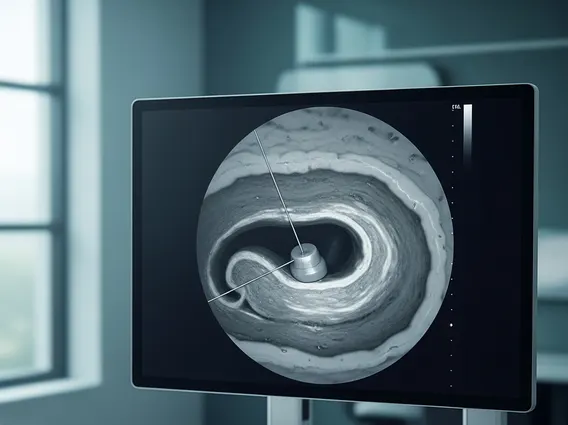
Further diagnostic steps may include stool tests to identify infections, inflammation markers (like fecal calprotectin), or blood in the stool, which might indicate conditions like IBD or infections. Blood tests can check for signs of inflammation, anemia, or nutritional deficiencies. Depending on symptoms, imaging studies such as CT scans or MRI may be used to visualize the colon and surrounding structures. Endoscopic procedures like colonoscopy or sigmoidoscopy allow a gastroenterologist to directly examine the lining of the colon and rectum, take biopsies if necessary, and rule out conditions such as polyps, IBD, or colorectal cancer.
The goal of diagnosis is to pinpoint the specific condition responsible for the excess mucus and other symptoms, enabling targeted treatment. For instance, if IBS is identified as the cause, management will focus on dietary adjustments, stress reduction, and medications to control symptoms. If an inflammatory condition or infection is found, specific medical treatments will be prescribed.