Mucous Membrane
A mucous membrane is a vital protective lining found throughout the body’s internal cavities that are exposed to the external environment. These membranes play a crucial role in maintaining health by providing a barrier against pathogens and environmental irritants.
Key Takeaways
- Mucous membranes are moist epithelial linings protecting internal body surfaces.
- Their primary functions include protection, lubrication, and absorption.
- They are found in various systems, including the digestive, respiratory, and urogenital tracts.
- Mucus production is key to their protective and lubricating roles.
- Different types of mucous membranes are adapted to specific bodily functions.
What is a Mucous Membrane?
The Mucous Membrane, often referred to as mucosa, is a moist tissue layer that lines various cavities and organs in the body. These membranes are continuous with the skin at body openings and serve as a critical interface between the internal environment and the external world. The primary mucous membrane definition and purpose involves providing protection, lubrication, and facilitating absorption and secretion. They are characterized by their ability to produce mucus, a viscous fluid that traps foreign particles and keeps the surface moist.
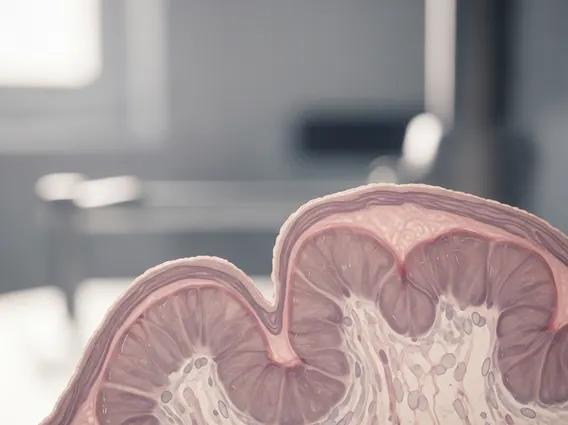
Mucous membranes are composed of an epithelial layer and an underlying layer of connective tissue called the lamina propria. The type of epithelium varies depending on the location and function, ranging from stratified squamous epithelium in areas subject to abrasion (like the mouth) to simple columnar epithelium in areas specialized for secretion and absorption (like the stomach and intestines). This structural diversity allows mucous membranes to perform their specialized roles effectively across different organ systems.
Functions of Mucous Membranes in the Body
The functions of mucous membranes in the body are diverse and essential for maintaining homeostasis and protecting against external threats. Their primary roles include:
- Protection: They form a physical barrier against pathogens, toxins, and mechanical injury. The sticky mucus traps bacteria, viruses, and dust particles, preventing them from entering deeper tissues.
- Lubrication: The mucus keeps the surfaces moist, reducing friction and facilitating the passage of substances, such as food through the digestive tract or air through the respiratory tract.
- Absorption: In certain areas, like the small intestine, mucous membranes are highly specialized for absorbing nutrients into the bloodstream.
- Secretion: Beyond mucus, these membranes can secrete other substances, such as digestive enzymes in the gastrointestinal tract or antibodies in the respiratory tract, contributing to local immunity.
- Sensory Reception: Some mucous membranes, like those in the nasal cavity, contain specialized cells for sensory functions such as smell.
These functions are critical for the body’s defense mechanisms and overall physiological processes. For instance, the respiratory tract’s mucous membranes trap an estimated 7,000-10,000 particles per day, highlighting their significant protective role (Source: American Lung Association, general information on respiratory defense mechanisms).
Types and Locations of Mucous Membranes
The types and location of mucous membranes vary significantly throughout the body, reflecting their specialized functions in different organ systems. They are broadly categorized by the systems they line.
Here is a general overview of their distribution:
| System | Location Examples | Primary Epithelial Type | Key Functions |
|---|---|---|---|
| Digestive System | Mouth, esophagus, stomach, intestines, rectum | Stratified squamous (mouth, esophagus), Simple columnar (stomach, intestines) | Protection, digestion, absorption of nutrients |
| Respiratory System | Nose, pharynx, larynx, trachea, bronchi | Pseudostratified ciliated columnar | Filtration of air, warming, humidification, protection |
| Urogenital System | Urethra, bladder, vagina, uterus | Transitional (bladder), Stratified squamous (vagina), Simple columnar (uterus) | Protection, excretion, reproduction |
| Sensory Organs | Conjunctiva of the eye, nasal cavity | Stratified columnar (conjunctiva), Pseudostratified (nasal) | Protection, vision, olfaction |
Each type of mucous membrane is uniquely adapted to its environment. For example, the mucous membranes in the mouth and esophagus are robust and stratified to withstand mechanical abrasion from food, while those in the small intestine are folded and lined with villi to maximize surface area for nutrient absorption. This anatomical and histological diversity underscores their importance in maintaining the integrity and functionality of various bodily systems.