Modality
In the medical and clinical landscape, Modality refers to a distinct method or approach used for diagnosis, treatment, or intervention in patient care. It encompasses a wide array of techniques and technologies employed to address various health conditions.

Key Takeaways
- Modality in healthcare signifies a specific method or approach for diagnosis, treatment, or intervention.
- It is a fundamental concept in clinical practice, guiding how medical conditions are identified and managed.
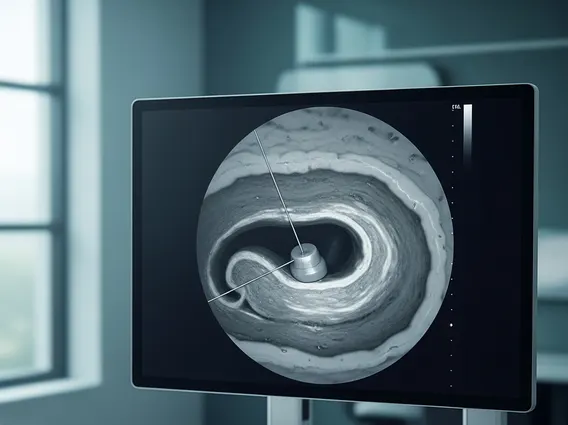
- Examples of diagnostic modalities include imaging techniques like MRI and CT scans.
- Therapeutic modalities range from pharmacological treatments and surgery to radiation and physical therapy.
- Often, a combination of different modalities is employed to provide comprehensive and effective patient care.
What is Modality?
Modality, in a clinical context, is a term that describes a particular method, technique, or form of treatment or diagnostic procedure. It represents a specific way of interacting with a patient’s condition, whether to understand its nature or to alleviate its effects. Understanding what is Modality is crucial for healthcare professionals as it helps categorize and select appropriate interventions based on a patient’s specific needs and the characteristics of their disease.
The concept of modality is broad, encompassing everything from advanced imaging technologies used to visualize internal structures to various therapeutic strategies designed to combat illness. For instance, in oncology, a patient’s treatment plan might involve multiple modalities, such as surgery to remove a tumor, followed by chemotherapy and radiation therapy to target remaining cancer cells. These different approaches are considered distinct modalities, each with its unique mechanism of action and application. This provides clear modality definition examples within a practical healthcare setting.
Types of Modality in Healthcare
The healthcare sector utilizes a diverse range of modalities, each tailored to specific diagnostic or therapeutic purposes. These can generally be categorized based on their primary function. Recognizing the types of modality is essential for developing comprehensive patient care plans and understanding the multidisciplinary nature of modern medicine. Below is a breakdown of common categories and examples:
| Modality Category | Description | Examples |
|---|---|---|
| Diagnostic Modalities | Methods used to identify, characterize, and monitor diseases or conditions. |
|
| Therapeutic Modalities | Methods aimed at treating, managing, or curing diseases, or alleviating symptoms. |
|
The selection of a particular modality or combination of modalities depends on several factors, including the patient’s condition, the stage of the disease, potential side effects, and overall treatment goals. For instance, according to the World Health Organization (WHO), noncommunicable diseases (NCDs) like cancer and cardiovascular diseases often require integrated care involving multiple therapeutic modalities to achieve the best outcomes, highlighting the importance of a multimodal approach in complex health challenges.