Microtubule
Microtubules are essential components of the cytoskeleton, playing a critical role in maintaining cell shape, facilitating intracellular transport, and enabling cell division. These dynamic protein structures are fundamental to the proper functioning of eukaryotic cells.
Key Takeaways
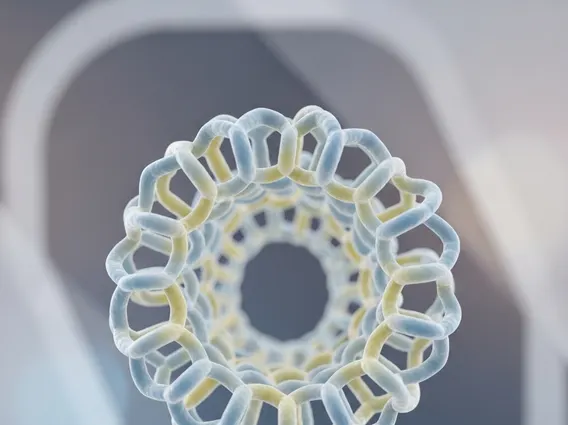
- Microtubules are hollow, cylindrical protein filaments that are part of the cell’s cytoskeleton.
- They are primarily composed of alpha- and beta-tubulin proteins, which polymerize to form their distinctive structure.
- Key functions include maintaining cell shape, providing tracks for organelle and vesicle transport, and forming the spindle fibers crucial for cell division.
- Their dynamic instability, involving cycles of growth and shrinkage, is vital for cellular processes like mitosis and cell motility.
What is a Microtubule?
A Microtubule refers to a filamentous intracellular structure that is a major component of the cytoskeleton in eukaryotic cells. These structures are dynamic and polar, meaning they have distinct ends with different growth rates. They are crucial for a wide array of cellular processes, acting as both structural supports and molecular highways within the cell. The collective network of these filaments helps cells maintain their shape, resist mechanical stress, and organize their internal components.
Understanding what are microtubules is fundamental to comprehending cellular mechanics. They are not static but constantly assemble and disassemble, a characteristic known as dynamic instability, which allows cells to rapidly reorganize their internal architecture in response to various signals and needs. This adaptability is vital for processes such as cell migration and differentiation.
Microtubule Structure and Assembly
The **microtubule structure and role** are intrinsically linked to its composition. Each microtubule is a hollow cylinder approximately 25 nanometers in diameter, formed by the polymerization of tubulin protein dimers. These dimers consist of one alpha-tubulin and one beta-tubulin subunit, which bind non-covalently. These alpha/beta-tubulin dimers then assemble head-to-tail to form protofilaments. Typically, 13 parallel protofilaments align laterally to form the wall of the hollow microtubule cylinder.
Microtubules exhibit polarity, with a “plus” end where polymerization (growth) is generally faster and a “minus” end where depolymerization (shrinkage) often occurs. The minus end is typically anchored at a microtubule-organizing center (MTOC), such as the centrosome in animal cells. The assembly process is regulated by various microtubule-associated proteins (MAPs) and involves the hydrolysis of guanosine triphosphate (GTP), which is bound to the beta-tubulin subunit. This dynamic assembly and disassembly are essential for their diverse cellular functions.
Microtubule Function and Cellular Roles
The **microtubule function in cells** is diverse and critical for cellular viability and organization. Microtubules serve as the primary structural elements that maintain cell shape, particularly in cells lacking a rigid cell wall. They also play a pivotal role in intracellular transport, acting as tracks along which motor proteins (kinesins and dyneins) move organelles, vesicles, and macromolecules to specific destinations within the cell. This directed transport is essential for processes like nerve impulse transmission and nutrient distribution.
Furthermore, microtubules are indispensable for cell division. During mitosis, they form the mitotic spindle, a complex structure responsible for separating duplicated chromosomes equally into daughter cells. Without proper microtubule function, chromosome segregation would fail, leading to aneuploidy. They also contribute to cell motility by forming the core of cilia and flagella, enabling the movement of single-celled organisms and the transport of fluids in multicellular organisms. The dynamic nature of these structures, allowing them to rapidly grow and shrink, explains their ability to mediate such varied and essential cellular processes.