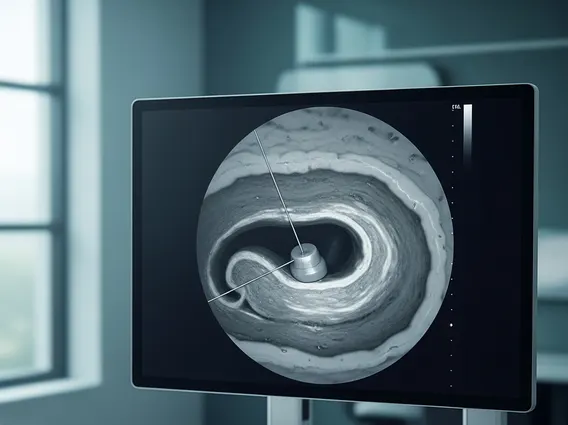
Mev Linear Accelerator
A Mev Linear Accelerator is a sophisticated medical device central to modern radiation therapy, primarily used in the treatment of various cancers. It precisely delivers high-energy X-rays or electrons to target cancerous cells while minimizing damage to surrounding healthy tissue.
Key Takeaways
- A Mev Linear Accelerator is a critical medical device for radiation therapy, specifically in oncology.
- It generates high-energy X-rays or electrons to target and destroy cancerous cells.
- The “Mev” in its name refers to Mega-electron volts, indicating the high energy levels of the radiation produced.
- Its primary application is in treating a wide range of cancers, offering precise and targeted therapy.
- The technology allows for advanced techniques like IMRT and SBRT, enhancing treatment effectiveness and reducing side effects.
What is a Mev Linear Accelerator?
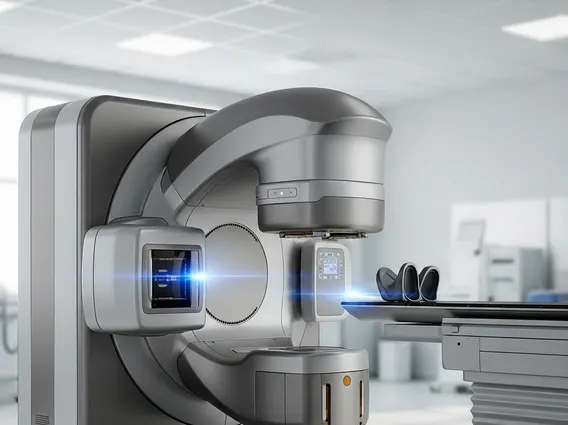
A Mev Linear Accelerator (often abbreviated as LINAC) is a highly advanced piece of medical equipment used to deliver external beam radiation therapy to patients with cancer. The term “Mev” stands for Mega-electron volt, which quantifies the energy of the radiation produced by the machine. These accelerators are designed to generate high-energy X-rays or electrons that can penetrate the body to destroy cancer cells, making them an indispensable tool in oncology departments worldwide. The precision and control offered by these devices allow clinicians to target tumors with great accuracy, which is crucial for effective treatment outcomes.
The primary goal of using a Mev Linear Accelerator is to deliver a prescribed dose of radiation to a tumor while sparing as much surrounding healthy tissue as possible. This targeted approach helps to reduce the side effects commonly associated with radiation therapy, improving the patient’s quality of life during and after treatment. Modern LINACs are equipped with advanced imaging capabilities, allowing for real-time visualization of the tumor and precise adjustments during treatment sessions.
How Does a Mev Linear Accelerator Work?
The operational principle of a Mev Linear Accelerator involves a complex sequence of events to generate and deliver radiation. At its core, an electron gun produces electrons, which are then accelerated to very high speeds through a series of electromagnetic fields within a vacuum-sealed structure called an accelerator guide. Once these electrons reach the desired energy level, they are directed towards a metallic target, where they produce high-energy X-rays. Alternatively, the electron beam can be used directly for superficial tumors.
After the X-rays or electrons are generated, a sophisticated system of bending magnets and collimators shapes and directs the radiation beam. The treatment head of the LINAC contains multi-leaf collimators (MLCs), which are computer-controlled metallic leaves that can move independently to conform the radiation beam precisely to the shape of the tumor. This intricate process is a key aspect of Mev Linear Accelerator technology explained, enabling highly conformal radiation therapy techniques. The entire system is meticulously calibrated and monitored to ensure accurate and safe delivery of the prescribed radiation dose, which is vital for patient safety and treatment efficacy.
The ability of the Mev Linear Accelerator to deliver radiation with such precision is critical for modern radiotherapy. According to the World Health Organization (WHO), radiotherapy is a crucial component in the treatment of over 50% of all cancer patients, often used alone or in combination with surgery and chemotherapy. The advancements in LINAC technology have significantly improved the ability to target tumors while minimizing damage to healthy tissues, leading to better outcomes for patients.
Mev Linear Accelerator Applications
The primary application of a Mev Linear Accelerator is in the field of radiation oncology, where it is used to treat a wide spectrum of cancers. The versatility of these machines allows for the treatment of tumors located in almost any part of the body. Common sites include:
- Brain and head and neck cancers
- Lung cancer
- Breast cancer
- Prostate cancer
- Gastrointestinal cancers (e.g., colorectal, pancreatic)
- Gynecological cancers
- Bone and soft tissue sarcomas
Beyond treating various tumor locations, Mev Linear Accelerator applications extend to different advanced radiotherapy techniques. These include Intensity-Modulated Radiation Therapy (IMRT), which shapes the radiation dose to conform to the tumor’s three-dimensional shape, and Stereotactic Body Radiation Therapy (SBRT), which delivers very high doses of radiation in a few treatment sessions. Other techniques like Image-Guided Radiation Therapy (IGRT) use imaging during treatment to ensure the radiation is delivered accurately, accounting for tumor movement due to breathing or other physiological changes. These advanced methods leverage the LINAC’s precision to maximize tumor control while significantly reducing the risk of side effects, thereby enhancing the overall quality of care for cancer patients.