Melphalan Hydrochloride
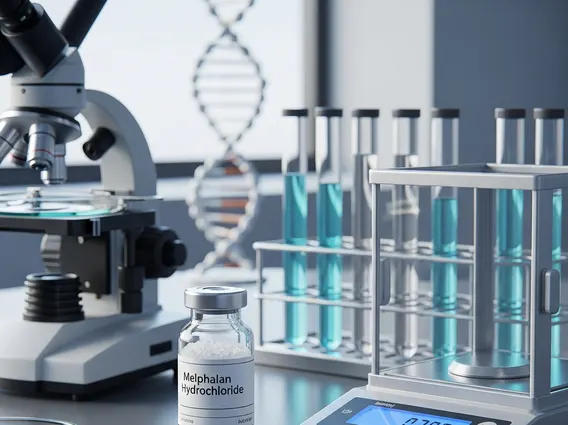
Melphalan Hydrochloride is a potent chemotherapy medication utilized in the treatment of various cancers. It belongs to a class of drugs known as alkylating agents, which exert their therapeutic effect by interfering with the DNA of cancer cells to inhibit their growth and division.
Key Takeaways
- Melphalan Hydrochloride is an alkylating agent chemotherapy primarily used to treat specific cancers, including multiple myeloma and ovarian cancer.
- It functions by damaging the DNA of rapidly dividing cancer cells, inhibiting their replication and leading to cell death.
- Common side effects include bone marrow suppression (low blood counts), nausea, vomiting, and mouth sores.
- Patients receiving this medication require close monitoring for adverse reactions and changes in blood counts.
What is Melphalan Hydrochloride: Drug Class and Uses
Melphalan Hydrochloride is a cytotoxic chemotherapy drug primarily used in the treatment of certain cancers. As an alkylating agent, it functions by adding an alkyl group to DNA, which damages the DNA and prevents cancer cells from replicating. This action is particularly effective against rapidly dividing cells, a characteristic of many cancer types.
The melphalan hydrochloride drug class is alkylating agents. These agents are a cornerstone of chemotherapy, having been used for decades to treat a wide range of malignancies. They exert their therapeutic effect by interfering with DNA synthesis and function, ultimately leading to programmed cell death (apoptosis) in cancer cells.
What is melphalan hydrochloride used for primarily includes the treatment of:
- Multiple myeloma: A cancer of plasma cells found in the bone marrow.
- Ovarian cancer: Often used in advanced stages or as part of a conditioning regimen before stem cell transplantation.
- Neuroblastoma: A cancer that develops from immature nerve cells found in several areas of the body.
- Melanoma: In some specific regional perfusion protocols.
It is often administered in high doses as part of a conditioning regimen before autologous stem cell transplantation, particularly for multiple myeloma, to eradicate remaining cancer cells and prepare the bone marrow for new stem cells.
How Melphalan Hydrochloride Works
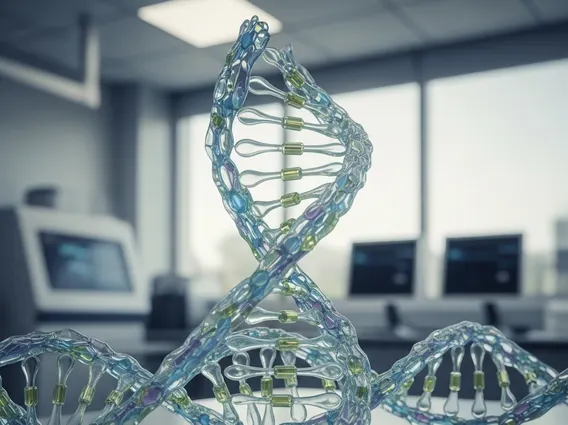
How melphalan hydrochloride works involves its interaction with the genetic material of cells. Upon administration, melphalan hydrochloride undergoes chemical reactions within the body to form highly reactive compounds. These compounds then attach to the guanine bases in DNA strands, a process known as alkylation. This alkylation can occur at multiple points on the DNA, leading to cross-linking of DNA strands or breaks in the DNA helix.
The damage inflicted on the DNA by melphalan hydrochloride prevents cancer cells from accurately replicating their genetic material during cell division. When a cell attempts to divide with damaged or cross-linked DNA, it cannot proceed correctly, leading to cell cycle arrest and ultimately triggering apoptosis. Because cancer cells typically divide more rapidly and have less efficient DNA repair mechanisms than healthy cells, they are more susceptible to the cytotoxic effects of melphalan hydrochloride. This selective toxicity is the basis of its therapeutic action in oncology.
Melphalan Hydrochloride: Potential Side Effects
Like most chemotherapy agents, melphalan hydrochloride side effects can be significant due to its impact on rapidly dividing healthy cells in addition to cancer cells. The severity and type of side effects can vary greatly among individuals, depending on the dose, duration of treatment, and individual patient factors.
Common side effects include:
- Myelosuppression: This is a critical side effect, involving a decrease in the production of blood cells in the bone marrow, leading to:
- Anemia (low red blood cells), causing fatigue.
- Leukopenia/Neutropenia (low white blood cells), increasing the risk of infection.
- Thrombocytopenia (low platelets), increasing the risk of bleeding.
- Gastrointestinal issues: Nausea, vomiting, diarrhea, and mucositis (inflammation and sores in the mouth and digestive tract).
- Hair loss (alopecia): While less common or severe than with some other chemotherapies, it can occur.
- Skin rash and itching.
- Fertility impairment: Melphalan hydrochloride can affect reproductive organs, potentially leading to temporary or permanent infertility in both men and women.
- Secondary malignancies: There is a small, long-term risk of developing secondary cancers, such as acute myeloid leukemia, due to the DNA-damaging nature of the drug.
Patients receiving melphalan hydrochloride require close monitoring of their blood counts and overall health to manage these potential adverse reactions effectively. Supportive care, such as antiemetics for nausea and growth factors for low blood counts, is often administered to mitigate side effects.