Melanoma And Neural System Tumor Syndrome
Melanoma And Neural System Tumor Syndrome is a complex and rare medical condition characterized by an increased predisposition to developing both melanoma, a serious form of skin cancer, and tumors affecting the nervous system. Understanding this syndrome is crucial for early diagnosis and effective management.
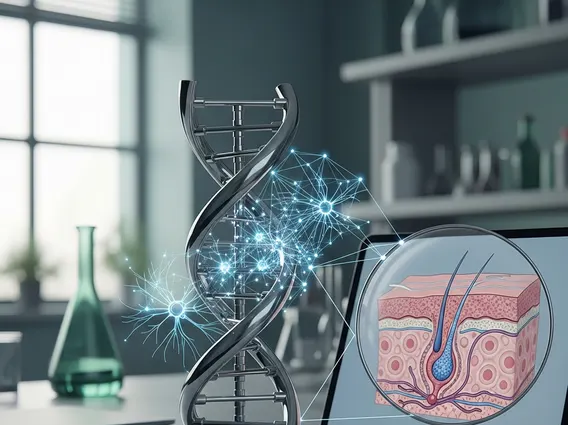
Key Takeaways
- Melanoma And Neural System Tumor Syndrome is a rare genetic condition predisposing individuals to both melanoma and nervous system tumors.
- Symptoms can range from unusual moles and skin lesions to neurological manifestations like headaches, seizures, or developmental delays.
- The link between these seemingly disparate tumors lies in shared genetic mutations or developmental pathways.
- Early detection and regular screening for both skin and neurological abnormalities are vital for individuals affected by this syndrome.
- Management involves a multidisciplinary approach, including dermatological and neurological surveillance.
What is Melanoma And Neural System Tumor Syndrome?
Melanoma And Neural System Tumor Syndrome refers to a rare genetic disorder that significantly increases an individual’s risk of developing both malignant melanoma and various tumors within the central or peripheral nervous system. This syndrome is typically inherited, meaning it runs in families, and is often associated with specific germline mutations that disrupt normal cell growth and regulation. For instance, some forms of this syndrome are linked to mutations in genes like CDKN2A, which plays a critical role in cell cycle control and tumor suppression. When these genes are altered, cells can grow uncontrollably, leading to tumor formation in different tissues.
The condition is distinct from metastatic melanoma, where skin cancer spreads to the brain or other parts of the nervous system. Instead, individuals with this syndrome develop primary tumors in both systems independently due to a shared underlying genetic vulnerability. Understanding how this predisposition manifests is key to effective diagnosis and care, making the concept of melanoma neural system tumor syndrome explained an essential part of patient education.
Symptoms of Melanoma And Neural System Tumor Syndrome
The symptoms of melanoma neural syndrome can vary widely depending on the type, location, and stage of the tumors involved. Given the dual nature of the syndrome, symptoms can manifest as dermatological changes related to melanoma or neurological signs indicative of nervous system tumors.
Common symptoms may include:
- Skin-related:
- Numerous moles (nevi), some of which may be atypical (dysplastic nevi).
- Changes in existing moles, such as asymmetry, irregular borders, varied color, or increasing diameter (the “ABCDEs” of melanoma).
- New, rapidly growing pigmented lesions.
- Neurological:
- Persistent headaches, especially those that worsen over time or are accompanied by nausea/vomiting.
- Seizures, which can range from subtle to grand mal.
- Changes in vision, hearing, or balance.
- Weakness or numbness in limbs.
- Cognitive changes, such as memory loss, confusion, or personality shifts.
- Developmental delays or regression in children.
Due to the variability, a high index of suspicion is required, particularly in individuals with a family history of both melanoma and nervous system tumors.
The Link Between Melanoma and Nervous System Tumors
The melanoma and nervous system tumors link is rooted in shared genetic pathways and developmental origins. Both melanocytes (the cells that can become melanoma) and various neural cells originate from the neural crest during embryonic development. This common lineage means that genetic mutations affecting neural crest development or subsequent cell regulation can predispose individuals to abnormalities in both systems.
For example, mutations in tumor suppressor genes, such as CDKN2A, are frequently implicated. This gene is vital for controlling cell division and preventing uncontrolled growth. When it is mutated, cells in both the skin (leading to melanoma) and the nervous system (leading to gliomas, schwannomas, or other neural tumors) can lose their regulatory control and become cancerous. This genetic predisposition underscores the importance of a comprehensive approach to screening and surveillance for individuals diagnosed with this syndrome or those with a strong family history. Regular dermatological exams and neurological assessments, often including imaging like MRI, are critical for early detection and intervention, which can significantly improve outcomes.