Melanocyte
Melanocytes are specialized cells crucial for determining the color of our skin, hair, and eyes. These fascinating cells play a vital role in protecting the body from the harmful effects of ultraviolet radiation.
Key Takeaways
- Melanocytes are pigment-producing cells located primarily in the epidermis.
- They synthesize melanin, a pigment responsible for skin, hair, and eye color.
- Melanin provides essential protection against ultraviolet (UV) radiation.
- Variations in melanocyte activity and melanin type determine individual skin tones.
What is a Melanocyte?
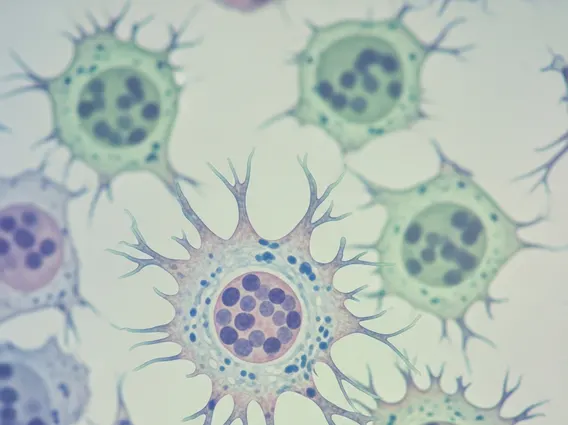
Melanocytes are specialized cells found predominantly in the basal layer of the epidermis, the outermost layer of the skin. These dendritic cells are responsible for the production and distribution of melanin, the pigment that gives color to human skin, hair, and eyes. The primary melanocyte definition and purpose revolves around their role as the body’s natural sunblock producers. Each melanocyte typically interacts with about 30-40 keratinocytes, transferring melanin to them via their dendritic processes. This intricate relationship ensures that the pigment is evenly distributed throughout the skin, forming a protective barrier. While melanocytes constitute only about 5-10% of the cells in the basal layer of the epidermis, their impact on an individual’s appearance and health is significant. Their activity is regulated by various factors, including genetics, hormones, and exposure to ultraviolet (UV) radiation, which can stimulate melanin production. Understanding what a Melanocyte is reveals its fundamental importance in dermatological health and the diverse spectrum of human skin tones.
The Role of Melanocytes in Skin Pigmentation
The melanocyte function in skin is fundamentally linked to the process of pigmentation, which is the result of melanin synthesis. Within melanocytes, melanin is produced in specialized organelles called melanosomes. These melanosomes are then transported along the dendritic processes of the melanocyte and transferred to surrounding keratinocytes. This transfer mechanism is crucial for the even distribution of pigment throughout the epidermal layers. Melanocytes produce two main types of melanin:
- Eumelanin: A brownish-black pigment, responsible for darker skin and hair colors. It is highly effective at absorbing UV radiation.
- Pheomelanin: A reddish-yellow pigment, found in individuals with red hair and lighter skin tones. It offers less UV protection compared to eumelanin.
The balance and amount of these melanin types, along with the size and distribution of melanosomes, determine an individual’s unique skin, hair, and eye color. This complex process is influenced by genetics, hormones, and environmental factors, particularly exposure to ultraviolet (UV) radiation. When skin is exposed to UV light, melanocytes are stimulated to produce more melanin, which then darkens the skin, a process commonly known as tanning. This increased melanin production is a protective response, as melanin absorbs and scatters UV radiation, thereby shielding the DNA in skin cells from damage that could lead to skin cancer. The role of melanocytes in pigmentation extends beyond aesthetics, serving as a crucial component of the body’s defense mechanism against environmental stressors. For instance, individuals with higher levels of eumelanin generally have greater natural protection against sunburn and a lower risk of certain skin cancers compared to those with predominantly pheomelanin. This highlights the critical biological significance of melanocytes in maintaining skin health.