Medial Supraclavicular Lymph Node
The medial supraclavicular lymph node is a critical component of the body’s lymphatic system, serving as a sentinel for health conditions in the chest, abdomen, and neck regions. Its enlargement often signals an underlying medical issue that warrants careful investigation.
Key Takeaways
- The medial supraclavicular lymph node is situated above the collarbone, near the midline of the body.
- Its primary function involves filtering lymph fluid and housing immune cells to combat infections and diseases.
- Enlargement of this specific lymph node is clinically significant and often prompts thorough medical evaluation.
- Causes of enlargement range from infections and inflammatory conditions to various types of malignancies.
What is the Medial Supraclavicular Lymph Node?
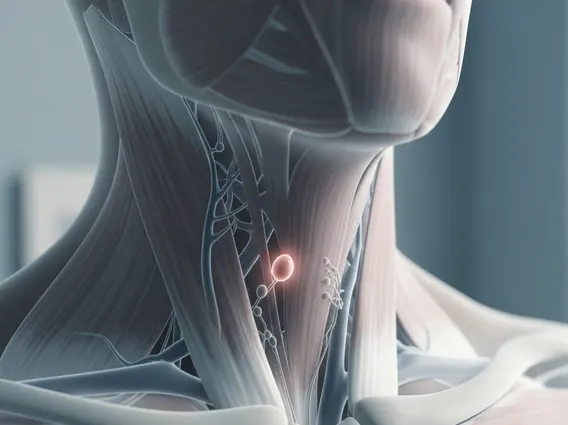
The Medial Supraclavicular Lymph Node refers to a specific lymph node located in the supraclavicular fossa, the indentation just above the collarbone (clavicle), closer to the midline of the body. These nodes are part of the extensive lymphatic system, a vital network of vessels, tissues, and organs that work together to maintain fluid balance and protect the body from infection.
The medial supraclavicular lymph node location is strategically important as it drains lymph fluid from areas such as the mediastinum (the central compartment of the chest), parts of the lungs, esophagus, and sometimes even the abdomen. This anatomical position makes it a crucial indicator for detecting diseases originating from these distant sites. The medial supraclavicular lymph node function is typical of all lymph nodes: to filter lymph fluid, removing waste products, cellular debris, and pathogens, and to house lymphocytes, which are specialized white blood cells essential for immune responses.
Causes of an Enlarged Medial Supraclavicular Lymph Node
An enlarged medial supraclavicular lymph node causes significant clinical concern due to its strong association with serious underlying conditions, particularly malignancies. While any lymph node can swell in response to infection or inflammation, enlargement in the supraclavicular region, especially on the left side (often referred to as Virchow’s node), has a higher likelihood of indicating cancer. This is because these nodes receive lymphatic drainage from a wide range of areas where cancers can originate or spread.
Common causes of an enlarged medial supraclavicular lymph node include:
- Infections: Though less common for this specific node, local or systemic infections (e.g., tuberculosis, fungal infections) can sometimes lead to enlargement.
- Inflammatory Conditions: Certain autoimmune diseases or inflammatory processes in the chest or neck can cause reactive lymphadenopathy.
- Malignancies: This is the most significant concern. Cancers originating from the following areas frequently metastasize to the medial supraclavicular lymph nodes:
- Lung cancer
- Gastrointestinal cancers (e.g., stomach, pancreatic, colorectal)
- Breast cancer
- Head and neck cancers (e.g., thyroid, laryngeal)
- Lymphoma
Unlike lymph nodes in some other regions, an enlarged supraclavicular lymph node carries a higher clinical suspicion for underlying malignancy, with medical literature indicating a significant proportion are associated with cancer. Therefore, any palpable enlargement in this area typically warrants prompt and thorough medical evaluation, often including imaging studies and biopsy, to determine the exact cause and guide appropriate treatment.