MC5 A Scrambler Therapy
MC5 A Scrambler Therapy is an innovative, non-invasive medical procedure designed to alleviate chronic neuropathic and oncologic pain. It offers a unique approach to pain management by re-educating the brain’s perception of pain signals.
Key Takeaways
- MC5 A Scrambler Therapy is a non-invasive neuro-modulation technique for chronic pain.
- It works by delivering artificial “non-pain” signals to the brain, replacing actual pain messages.
- The therapy aims to re-train the brain to perceive pain-affected areas as pain-free.
- It is primarily used for neuropathic pain and pain associated with cancer treatment.
- The treatment is non-pharmacological and generally well-tolerated with minimal side effects.
What is MC5 A Scrambler Therapy?
MC5 A Scrambler Therapy is a non-invasive neuro-modulation treatment that utilizes a biofeedback device to deliver synthetic “non-pain” messages to the central nervous system. This therapy is specifically designed to treat various types of chronic neuropathic pain and oncologic pain that have been resistant to conventional treatments. Unlike other pain management techniques that block pain signals, MC5 A Scrambler Therapy aims to replace them with new, non-painful information, effectively “scrambling” the pain signals the brain receives.
The core principle behind this therapy involves the concept of neuroplasticity, where the brain’s neural pathways can be re-trained. By introducing artificial non-pain signals, the therapy seeks to normalize the perception of pain in affected areas, leading to sustained pain relief. It represents a significant advancement in managing persistent pain without the need for medication or invasive procedures, offering a different pathway for patients seeking relief.
How MC5 A Scrambler Therapy Works
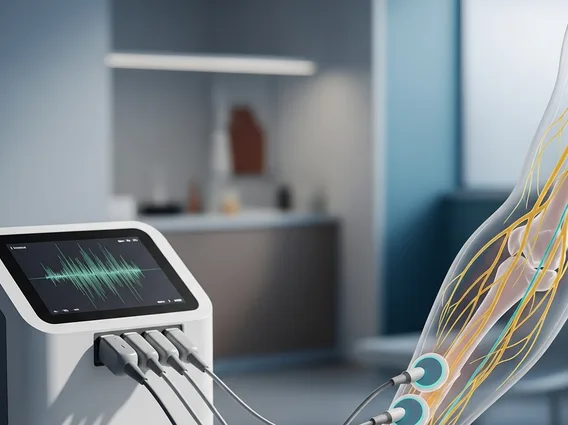
The mechanism of MC5 A Scrambler Therapy involves the application of small electrodes to the skin in areas surrounding the patient’s pain. These electrodes are connected to a device that generates low-energy electrical impulses. These impulses are programmed to mimic the electrical signals of normal, non-painful nerve activity. When these artificial signals are delivered, they are intended to override the existing pain signals being sent from the damaged nerves to the brain.
The brain, receiving these new, non-painful signals, begins to interpret the affected area as pain-free. Over a series of treatment sessions, the goal is to re-establish normal nerve communication and reduce the brain’s perception of chronic pain. This re-education of the nervous system can lead to long-term pain relief, as the brain learns to process non-painful information more effectively. The therapy is typically administered in daily sessions over a period of several days to two weeks, depending on the individual’s condition and response.
Key aspects of how the therapy works include:
- Signal Generation: The device creates synthetic action potentials that mimic normal nerve impulses.
- Electrode Placement: Electrodes are strategically placed on the skin near the pain site, but not directly on the painful area.
- Neural Pathway Override: These artificial signals travel along the same nerve pathways as pain signals, effectively “scrambling” the pain messages.
- Brain Re-education: The brain interprets the new signals as non-painful, gradually re-training its response to the affected area.
- Sustained Relief: With repeated sessions, the aim is for the brain to maintain this non-painful perception, leading to lasting relief.
MC5 A Scrambler Therapy for Chronic Pain
MC5 A Scrambler Therapy is particularly effective for various forms of chronic pain, especially those with a neuropathic component. Neuropathic pain, which arises from nerve damage or dysfunction, often presents as burning, tingling, shooting, or stabbing sensations and can be notoriously difficult to treat. Conditions such as chemotherapy-induced peripheral neuropathy, post-herpetic neuralgia, complex regional pain syndrome (CRPS), and failed back surgery syndrome are among those for which this therapy may be considered.
Furthermore, MC5 A Scrambler Therapy for chronic pain extends to the management of oncologic pain, which can result directly from cancer or its treatments. For patients seeking alternatives to opioid medications or those who have not found relief with other interventions, MC5 A Scrambler Therapy offers a non-pharmacological, non-invasive option. According to the Centers for Disease Control and Prevention (CDC), chronic pain affects millions of adults in the United States, highlighting the critical need for diverse and effective treatment modalities like MC5 A Scrambler Therapy.
The therapy is generally well-tolerated, with minimal side effects, which may include temporary skin irritation at the electrode sites. It is crucial for patients to consult with a qualified healthcare professional to determine if MC5 A Scrambler Therapy is an appropriate treatment option for their specific condition.