Maxillary Sinus
The maxillary sinus is the largest of the paranasal sinuses, playing a crucial role in respiratory health and facial structure. Understanding its anatomy, function, and common ailments is essential for recognizing and addressing related health concerns.
Key Takeaways
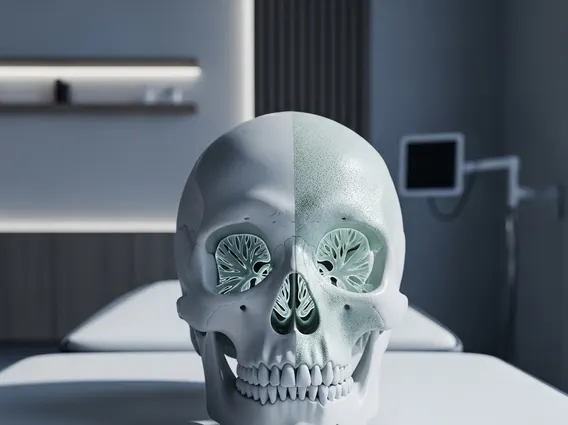
- The maxillary sinus is the largest paranasal sinus, located in the cheekbones, contributing to skull lightness and voice resonance.
- Its primary functions include humidifying inhaled air, trapping airborne particles, and facilitating mucus drainage into the nasal cavity.
- Common symptoms of maxillary sinus infection (sinusitis) include facial pain or pressure, nasal congestion, and discolored discharge.
- Pain in the maxillary sinus area can stem from infections, allergies, dental issues, or barotrauma.
What is the Maxillary Sinus?
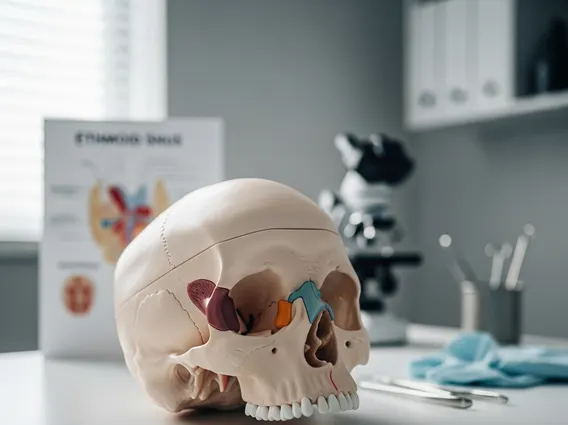
The Maxillary Sinus refers to one of the four pairs of paranasal sinuses, which are air-filled cavities located within the bones of the skull and face. Situated within the maxilla, the bone that forms the upper jaw and part of the nose, these sinuses are positioned beneath the eyes and lateral to the nasal cavity. They are lined with a mucous membrane that produces mucus, which helps to humidify inhaled air and trap foreign particles before they reach the lungs.
These hollow spaces contribute to several physiological processes, including reducing the weight of the skull, enhancing the resonance of the voice, and providing insulation for sensitive structures like the eyes and tooth roots. Their strategic location and connection to the nasal cavity make them susceptible to various conditions, particularly infections and inflammation.
Maxillary Sinus Anatomy and Function
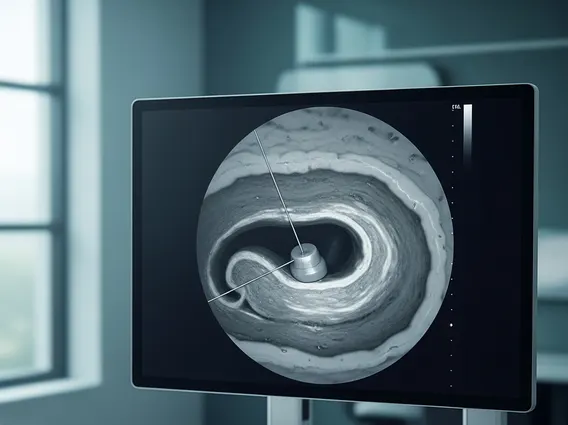
The anatomy of the maxillary sinus is complex, featuring a pyramidal shape with its base facing the nasal cavity and its apex extending into the zygomatic arch. Each maxillary sinus has an opening, known as the ostium, which drains into the middle meatus of the nasal cavity. This drainage pathway is critical for maintaining sinus health; if it becomes blocked, mucus can accumulate, leading to infection.
The lining of the maxillary sinus is a ciliated pseudostratified columnar epithelium, which contains goblet cells that produce mucus. The cilia, tiny hair-like structures, rhythmically beat to propel mucus and trapped particles towards the ostium and out of the sinus. The primary functions of the maxillary sinus include:
- Air Humidification and Filtration: It warms and humidifies incoming air, protecting the delicate lung tissues. The mucus traps dust, pollen, and microorganisms.
- Skull Weight Reduction: The air-filled cavities lighten the skull, making it easier for the neck muscles to support the head.
- Voice Resonance: The sinuses act as resonating chambers, influencing the quality and timbre of the voice.
- Protection: They provide a buffer against facial trauma and insulate the brain and eyes from rapid temperature changes.
Understanding maxillary sinus anatomy and function is crucial for diagnosing and treating conditions affecting this area, as its intricate structure and drainage system are key to its proper operation.
Maxillary Sinus Infection Symptoms and Pain Causes
A maxillary sinus infection, commonly known as sinusitis, occurs when the mucous membranes lining the sinus become inflamed and infected, often due to viral, bacterial, or fungal pathogens. Allergies can also trigger inflammation, making the sinus more vulnerable to infection. According to the Centers for Disease Control and Prevention (CDC), acute sinusitis affects millions of adults in the United States annually, often following a common cold.
Common maxillary sinus infection symptoms include:
- Facial pain or pressure, particularly around the cheeks and under the eyes.
- Nasal congestion or stuffiness.
- Thick, discolored nasal discharge (yellow, green, or cloudy).
- Postnasal drip, which can lead to a sore throat or cough.
- Headache, often localized to the forehead or temples.
- Reduced sense of smell or taste.
- Fever (more common in acute infections).
- Fatigue.
The causes of maxillary sinus pain extend beyond infection. While sinusitis is a primary culprit, other factors can contribute to discomfort in this region. These maxillary sinus pain causes include:
- Dental Issues: The roots of the upper teeth are in close proximity to the floor of the maxillary sinus. Dental infections, abscesses, or recent dental procedures can irritate the sinus lining and cause referred pain.
- Allergies: Allergic reactions can cause inflammation and swelling of the sinus lining, leading to pressure and pain even without a bacterial infection.
- Barotrauma: Changes in atmospheric pressure, such as during air travel or scuba diving, can cause pain if the sinus ostium is blocked and pressure cannot equalize.
- Nasal Polyps: Non-cancerous growths in the nasal passages or sinuses can block drainage and cause pressure.
- Migraines or Headaches: Some types of headaches can manifest with facial pain that mimics sinus discomfort.
Accurate diagnosis by a healthcare professional is important to differentiate between these various causes and ensure appropriate treatment.