Maxilla
The maxilla is a crucial paired bone that forms the central part of the human midface. It plays a vital role in facial structure, supporting the upper teeth, and contributing to several essential physiological functions.
Key Takeaways
- The maxilla is a paired bone forming the upper jaw and a significant part of the facial skeleton.
- It contributes to the structure of the eye sockets, nasal cavity, and roof of the mouth.
- Key functions include supporting the upper teeth, facilitating mastication, and aiding in speech.
- Anatomically, it features several processes and contains the maxillary sinuses.
- Its complex structure is integral to both facial aesthetics and functional integrity.
What is Maxilla?
The Maxilla refers to the two bones that fuse to form the upper jaw. These paired bones are central to the facial skeleton, defining the shape of the midface and providing structural support for various facial features. Essentially, the maxilla bone definition and purpose highlight its role as the primary bone of the upper jaw, crucial for both form and function. It is a large, irregular bone that articulates with nearly all other facial bones, excluding the mandible (lower jaw). Its robust structure is fundamental for maintaining facial integrity and protecting delicate structures within the skull.
Beyond its structural role, the maxilla is integral to several physiological processes. It houses the roots of the upper teeth, making it indispensable for chewing and biting. Furthermore, it forms part of the boundaries of the nasal cavity, the orbital floor (eye socket), and the hard palate, which is the roof of the mouth. This complex bone also contains the maxillary sinuses, which are the largest paranasal sinuses, contributing to voice resonance and skull weight reduction. Understanding what is the maxilla bone reveals its multifaceted importance in human anatomy and daily functions.
Maxilla Bone Anatomy, Location, and Function
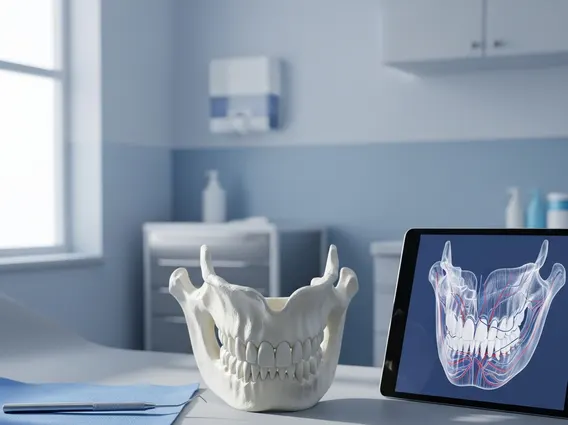
The maxilla bone anatomy and function are intricate, reflecting its central position and numerous connections within the skull. The maxilla is strategically located at the center of the face, inferior to the frontal bone and medial to the zygomatic bones (cheekbones). Specifically, where is the maxilla located? It forms the anterior part of the hard palate, the floor of the nasal cavity, and the inferior and medial walls of the orbit. Each maxilla consists of a body and four processes that extend to articulate with other bones:
- Frontal Process: Extends upwards to meet the frontal bone, forming part of the lateral wall of the nose.
- Zygomatic Process: Projects laterally to articulate with the zygomatic bone, contributing to the cheekbone prominence.
- Palatine Process: Extends horizontally to meet its counterpart from the opposite maxilla, forming the anterior three-quarters of the hard palate.
- Alveolar Process: A thick ridge of bone that projects inferiorly, containing the sockets (alveoli) for the upper teeth.
The primary functions of the maxilla are diverse and critical for everyday life. It provides the necessary support for the upper dentition, enabling effective mastication (chewing) and biting, which are the first steps in digestion. Its contribution to the hard palate is essential for separating the oral and nasal cavities, allowing for simultaneous breathing and eating. Additionally, the maxilla plays a significant role in speech articulation, as the palate and teeth are crucial for forming various sounds. The maxillary sinuses within the bone help to lighten the skull, warm and moisten inhaled air, and add resonance to the voice. Its robust yet complex structure ensures both the protection of vital organs and the efficient execution of essential facial functions.