Mast Cell
Mast cells are crucial immune cells that play a significant role in the body’s defense mechanisms and are particularly known for their involvement in allergic reactions. These versatile cells are found throughout various tissues, acting as sentinels against pathogens and environmental threats.
Key Takeaways
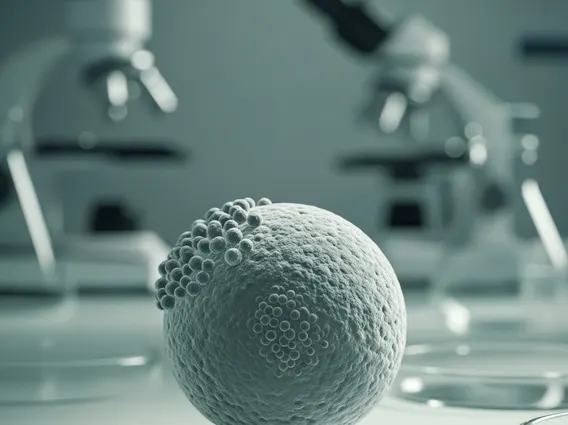
- Mast Cells are immune cells originating in the bone marrow, residing in tissues, and containing granules filled with inflammatory mediators like histamine.
- Their primary function involves immune surveillance, defense against pathogens, wound healing, and critically, mediating allergic responses.
- In allergic reactions, mast cells release mediators upon exposure to allergens, leading to symptoms such as inflammation, itching, and swelling.
- Mast Cell Activation Syndrome (MCAS) is a chronic condition characterized by inappropriate and excessive mast cell mediator release, causing a wide range of multi-system symptoms.
- Understanding mast cell function is vital for diagnosing and managing allergic diseases and conditions like MCAS.
What are Mast Cells?
A Mast Cell is a type of white blood cell, or leukocyte, that is an integral component of the immune system. These cells originate in the bone marrow and then circulate in an immature form before migrating into various tissues throughout the body, where they mature. Mast cells are particularly abundant in connective tissues, such as those surrounding blood vessels and nerves, and in areas exposed to the external environment like the skin, lungs, and gastrointestinal tract. They are easily recognized by their numerous cytoplasmic granules, which contain a potent cocktail of pre-formed chemical mediators, including histamine, heparin, proteases (like tryptase and chymase), and various cytokines and chemokines. These mediators are rapidly released upon activation, initiating a cascade of immune and inflammatory responses.
Mast Cell Function in Immunity and Allergic Responses
The mast cell function in body is multifaceted, extending beyond just allergies. They act as first responders in immune surveillance, detecting and responding to pathogens such as bacteria, viruses, and parasites. Their mediators contribute to wound healing, tissue repair, and even angiogenesis (the formation of new blood vessels). However, their most well-known and often problematic role is in mediating allergic reactions. The role of mast cells in allergies begins when specific antibodies, known as immunoglobulin E (IgE), bind to receptors on the mast cell surface. Upon subsequent exposure to an allergen, this allergen cross-links the IgE antibodies, triggering a rapid process called degranulation. During degranulation, mast cells release their stored mediators, leading to the characteristic symptoms of an allergic reaction. For instance, histamine causes vasodilation, increased vascular permeability (leading to swelling), itching, and smooth muscle contraction (e.g., bronchoconstriction in asthma). Other mediators contribute to inflammation and tissue damage, which, in severe cases, can lead to life-threatening anaphylaxis.
The mediators released by mast cells include:
- Histamine: Causes vasodilation, increased vascular permeability, itching, and smooth muscle contraction.
- Tryptase: A protease often used as a marker for mast cell activation, contributing to inflammation and tissue remodeling.
- Leukotrienes and Prostaglandins: Lipid mediators that contribute to prolonged inflammation, bronchoconstriction, and increased vascular permeability.
- Cytokines and Chemokines: Proteins that modulate the immune response, attracting other immune cells to the site of inflammation.
Understanding Mast Cell Activation Syndrome (MCAS)
Mast Cell Activation Syndrome (MCAS) is a chronic and complex condition characterized by the inappropriate, excessive, and recurrent release of mast cell mediators, leading to a wide array of symptoms affecting multiple organ systems. Unlike typical allergic reactions, which are triggered by specific allergens, MCAS involves an underlying dysregulation of mast cell activity. The mast cell activation syndrome symptoms are highly variable and can fluctuate, making diagnosis challenging. Patients often experience episodic symptoms that can range from mild to severe and may include:
| Body System | Common Symptoms |
|---|---|
| Skin | Flushing, hives (urticaria), itching, angioedema |
| Gastrointestinal | Abdominal pain, cramping, diarrhea, nausea, vomiting |
| Cardiovascular | Tachycardia, hypotension, dizziness, lightheadedness |
| Respiratory | Wheezing, shortness of breath, nasal congestion, sneezing |
| Neurological | Headache, brain fog, fatigue, anxiety, depression |
Diagnosis of MCAS typically involves a combination of clinical symptoms, elevated levels of mast cell mediators (such as tryptase) during symptomatic episodes, and a positive response to mast cell-targeting therapies. Management focuses on symptom control, avoiding triggers, and using medications such as antihistamines, mast cell stabilizers, and anti-leukotriene agents to reduce mediator release and block their effects. It is important for individuals suspecting MCAS to seek evaluation from a healthcare professional for accurate diagnosis and personalized treatment.