Macrophage
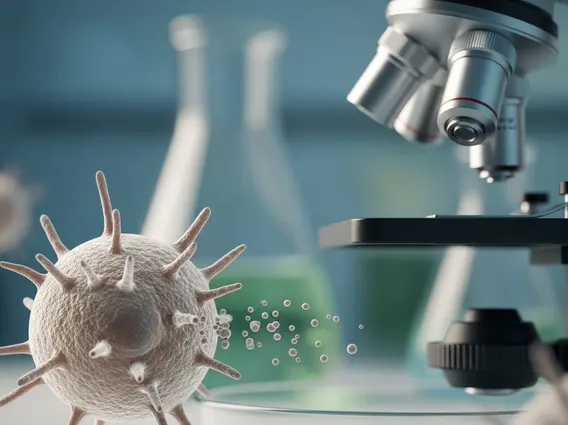
A macrophage is a crucial type of white blood cell that plays a central role in the immune system. These versatile cells are essential for both innate and adaptive immunity, acting as the body’s primary phagocytes and immune regulators.
Key Takeaways
- Macrophages are immune cells vital for defending the body against pathogens and clearing cellular debris.
- They perform functions like phagocytosis, antigen presentation, and cytokine production, crucial for immune responses.
- Different types of macrophages exist, specialized for various tissues and roles within the body.
- Macrophages can undergo activation and polarization into distinct phenotypes, such as M1 (pro-inflammatory) and M2 (anti-inflammatory), influencing disease outcomes.
What is a Macrophage?
A macrophage is a large, specialized immune cell that originates from monocytes, a type of white blood cell produced in the bone marrow. These monocytes circulate in the bloodstream and then migrate into tissues, where they differentiate into macrophages. Macrophages are found in almost all tissues and organs, forming a critical component of the innate immune system. Their primary role is to engulf and digest cellular debris, foreign substances, microbes, cancer cells, and anything else that lacks specific proteins on its surface. This process is known as phagocytosis. Beyond their role as scavengers, macrophages also play a significant part in initiating and resolving inflammation, presenting antigens to T cells, and producing cytokines that modulate immune responses. Understanding what a macrophage is involves recognizing their dynamic nature and their fundamental contribution to maintaining tissue homeostasis and fighting infections.
Macrophage Function and Key Types
The macrophage function in immune system is multifaceted, encompassing several vital roles that protect the host from harm. Their most well-known function is phagocytosis, where they engulf and destroy pathogens and apoptotic cells. Additionally, macrophages act as antigen-presenting cells (APCs), processing antigens and presenting them to T lymphocytes, thereby bridging innate and adaptive immunity. They also secrete a wide array of signaling molecules, including cytokines, chemokines, and growth factors, which regulate inflammation, wound healing, and tissue repair.
There are various types of macrophages and their roles, often categorized by their tissue location or activation state. Many macrophages are tissue-resident, meaning they reside permanently in specific organs and develop unique characteristics tailored to their environment:
- Kupffer cells: Found in the liver, they filter blood and remove pathogens and toxins.
- Microglia: Located in the central nervous system, they monitor brain health and respond to injury or infection.
- Alveolar macrophages: Reside in the lungs, clearing inhaled particles and microorganisms.
- Osteoclasts: Specialized macrophages in bone, responsible for bone resorption and remodeling.
- Peritoneal macrophages: Found in the abdominal cavity, providing immune surveillance.
These specialized cells contribute uniquely to the immune defense and physiological maintenance of their respective tissues.
Macrophage Activation and Polarization
Macrophage activation and polarization describe the process by which macrophages alter their functional state in response to microenvironmental signals, leading to distinct phenotypes with specialized roles. This plasticity allows macrophages to adapt their functions to diverse physiological and pathological conditions, from fighting acute infections to promoting tissue repair.
Traditionally, macrophage polarization is broadly classified into two main states:
- M1 (Classically Activated) Macrophages: These are typically induced by signals such as interferon-gamma (IFN-γ) and lipopolysaccharide (LPS). M1 macrophages are characterized by their pro-inflammatory functions, high microbicidal activity, and production of inflammatory cytokines like TNF-α, IL-1β, and IL-6. They are crucial for host defense against intracellular pathogens and tumor suppression.
- M2 (Alternatively Activated) Macrophages: Induced by cytokines like IL-4 and IL-13, M2 macrophages are associated with anti-inflammatory responses, tissue repair, wound healing, angiogenesis, and immune regulation. They produce anti-inflammatory cytokines such as IL-10 and TGF-β and are involved in resolving inflammation and promoting fibrosis.
The balance between M1 and M2 polarization is critical for maintaining immune homeostasis. Dysregulation in macrophage polarization can contribute to the pathogenesis of various diseases, including chronic inflammation, autoimmune disorders, cancer, and metabolic diseases. For instance, in tumor microenvironments, M2-like macrophages often promote tumor growth and metastasis, highlighting the importance of understanding these activation pathways for therapeutic interventions.