
Ma Huang
Ma Huang, also known as Ephedra sinica, is a traditional Chinese herb with a long history of use. Understanding its properties, historical applications, and significant safety concerns is crucial due to its potent compounds.
Key Takeaways
- Ma Huang is derived from the *Ephedra sinica* plant, traditionally used in Chinese medicine.
- It contains ephedrine alkaloids, which are potent stimulants affecting the cardiovascular and nervous systems.
- Historically, it was used for respiratory conditions like asthma and colds, as well as for its diuretic properties.
- Due to severe side effects, including cardiovascular events and neurological issues, the FDA banned ephedrine alkaloids in dietary supplements.
- Extreme caution is advised; always consult a healthcare professional before considering any product containing Ma Huang.
What is Ma Huang?
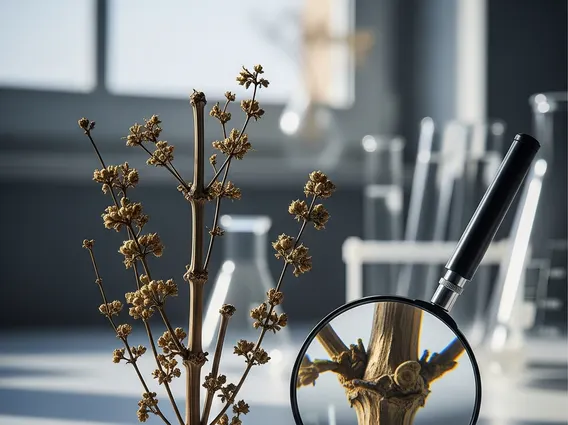
Ma Huang refers to the dried stems of the *Ephedra sinica* plant, a shrub native to parts of Central Asia and Mongolia. For thousands of years, it has been a significant component of traditional Chinese medicine. The plant is notable for containing several active compounds, primarily ephedrine alkaloids, which include ephedrine and pseudoephedrine. These compounds are known for their sympathomimetic effects, meaning they stimulate the sympathetic nervous system, leading to various physiological responses.
The stimulant properties of Ma Huang are attributed to these alkaloids, which can affect heart rate, blood pressure, and bronchial dilation. Its historical use is deeply embedded in ancient medical texts, where it was often prescribed as part of complex herbal formulas rather than in isolation.
Ma Huang: Traditional Uses and Potential Benefits
Historically, **ma huang traditional medicine** applications have primarily focused on its effects as a bronchodilator and decongestant. Practitioners utilized it to alleviate symptoms associated with respiratory conditions such as asthma, bronchitis, and the common cold, believing it could open airways and reduce nasal congestion. The herb was also traditionally employed for its diuretic properties, which could help reduce fluid retention, and its diaphoretic effects, promoting sweating.
The **ma huang plant uses** in traditional contexts often involved specific preparations and dosages, typically as part of complex herbal formulas designed to balance its effects with other herbs. While these traditional uses suggest potential benefits in certain contexts, modern scientific scrutiny has highlighted significant safety concerns, particularly due to the potent stimulant effects of its ephedrine content. It is crucial to distinguish between historical traditional use and contemporary medical understanding and regulation.
Ma Huang Side Effects and Safety Considerations
The presence of ephedrine alkaloids in Ma Huang has been linked to a range of serious **ma huang benefits side effects**. These can significantly impact cardiovascular health, potentially causing increased heart rate, elevated blood pressure, and irregular heart rhythms (arrhythmias). Neurological side effects are also common and may include insomnia, anxiety, nervousness, tremors, and headaches. In severe cases, the consumption of products containing Ma Huang has been associated with life-threatening events such as heart attack, stroke, seizures, and even death.
Due to these substantial health risks, the U.S. Food and Drug Administration (FDA) banned the sale of dietary supplements containing ephedrine alkaloids in 2004. This regulatory action specifically targeted products marketed for weight loss, athletic performance enhancement, or increased energy. While Ma Huang may still be found in some traditional herbal preparations, its use is highly regulated and generally discouraged without strict medical supervision. Consumers should exercise extreme caution and consult a healthcare professional before using any product containing Ma Huang, as its potential for harm outweighs any perceived benefits for most individuals.
Disclaimer: Information provided about traditional uses is for educational purposes only and does not endorse or replace professional medical advice, diagnosis, or treatment. Always consult with a qualified healthcare provider before making any decisions about your health or treatment, especially concerning herbal remedies.



















