
Lymph Vessel
Lymph vessels are an integral part of the lymphatic system, a vital network within the human body responsible for maintaining fluid balance, absorbing fats, and supporting immune function. These specialized vessels play a crucial role in collecting and transporting lymph, a fluid rich in proteins, fats, and immune cells.
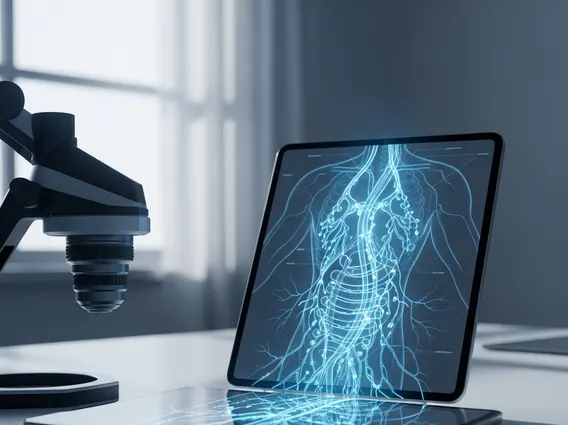
Key Takeaways
- Lymph vessels are thin-walled tubes that form a vast network throughout the body, essential for the lymphatic system.
- Their primary function is to collect excess interstitial fluid, known as lymph, and return it to the bloodstream.
- The structure of lymph vessels includes permeable walls and one-way valves, facilitating lymph collection and preventing backflow.
- They are critical for immune surveillance, transporting immune cells and antigens to lymph nodes for processing.
- Disruptions in lymph vessel function can lead to conditions like lymphedema, highlighting their importance in health.
What is a Lymph Vessel?
A Lymph Vessel refers to a type of thin-walled, valved structure that forms a network throughout the body, serving as a conduit for lymph. These vessels are fundamental components of the lymphatic system, which works in parallel with the circulatory system. Their primary role is to collect interstitial fluid—the fluid that surrounds cells—and transport it as lymph back towards the heart, preventing fluid accumulation in tissues.
The extensive network of lymph vessels ensures that fluid and waste products are efficiently removed from tissues, playing a critical role in maintaining overall fluid homeostasis. Without their continuous action, tissues would swell, and the immune system’s ability to respond to pathogens would be severely compromised.
Structure and Function of Lymph Vessels
The structure of lymph vessels is uniquely adapted for their function. They originate as tiny, blind-ended lymphatic capillaries, which are highly permeable due to their overlapping endothelial cells that act as one-way valves. These capillaries merge to form larger collecting vessels, which resemble veins but have thinner walls and more numerous valves. These valves are crucial for preventing the backflow of lymph, ensuring its unidirectional movement despite the low pressure within the system. The walls of larger lymph vessels also contain smooth muscle, which contracts rhythmically to propel lymph forward.
The function of lymph vessels is multifaceted. Their most critical role is the drainage of excess interstitial fluid. Approximately 20 liters of fluid filter out of blood capillaries into the interstitial space each day, but only about 17 liters are reabsorbed directly into the blood capillaries. Lymph vessels collect the remaining 3 liters, along with proteins, cellular debris, and pathogens, forming lymph. This lymph is then transported through a series of vessels and lymph nodes, eventually returning to the bloodstream via the subclavian veins. This process is vital for maintaining blood volume and pressure, as well as preventing tissue swelling (edema). Additionally, specialized lymph vessels called lacteals in the small intestine absorb dietary fats, transporting them to the bloodstream.
Lymph Vessels’ Role in the Lymphatic System
The intricate relationship between the lymphatic system and lymph vessels is central to several physiological processes. Lymph vessels are the conduits through which the lymphatic system performs its essential duties, which include:
- Fluid Balance: By collecting and returning interstitial fluid to the blood, lymph vessels prevent the accumulation of fluid in tissues, thus maintaining proper fluid balance throughout the body.
- Immune Response: Lymph vessels transport immune cells, such as lymphocytes, and antigens to lymph nodes, where immune responses are initiated. This facilitates the body’s defense against infections and diseases.
- Fat Absorption: In the digestive system, specialized lymph vessels called lacteals absorb dietary fats and fat-soluble vitamins from the small intestine, bypassing the liver initially and delivering them directly into the bloodstream.
The lymphatic system, with its network of lymph vessels, lymph nodes, and lymphoid organs (like the spleen and thymus), acts as a critical surveillance and drainage system. For instance, the lymphatic system processes approximately 2-4 liters of lymph daily, highlighting its continuous and significant contribution to bodily functions. Disruptions in lymph vessel function, such as damage or blockage, can lead to serious conditions like lymphedema, characterized by chronic swelling, demonstrating the indispensable nature of these vessels to overall health and immunity.



















