Lymph System
The Lymph System is a vital network of tissues, vessels, and organs that work together to maintain fluid balance, absorb fats, and defend the body against infection. It plays a crucial role in overall health and immunity.
Key Takeaways
- The Lymph System is a complex network essential for fluid balance, immune function, and fat absorption.
- It collects excess fluid and waste products from tissues, returning them to the bloodstream.
- Lymph nodes filter lymph, trapping pathogens and abnormal cells, which are then targeted by immune cells.
- Key components include lymph, lymphatic vessels, lymph nodes, and organs like the spleen and thymus.
- A healthy Lymph System is critical for preventing infections, managing inflammation, and supporting the body’s defense mechanisms.
What is the Lymph System?
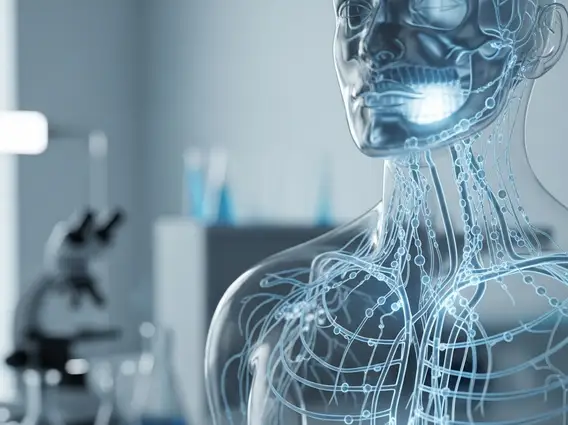
The Lymph System, also known as the lymphatic system, is an intricate part of the immune and circulatory systems, comprising a vast network of vessels, nodes, and organs. Its primary role is to transport lymph, a clear fluid containing white blood cells, throughout the body. This system acts as the body’s internal drainage and defense mechanism, collecting and filtering excess fluid, waste products, and pathogens from tissues before returning the fluid to the bloodstream.
Understanding what is the Lymph System involves recognizing its key components and their functions. These elements work in concert to ensure the body’s fluid homeostasis and immune surveillance. Without a properly functioning lymph system, the body would struggle to combat infections and maintain essential fluid balance, leading to various health complications.
The main components of the Lymph System include:
- Lymph: The fluid itself, derived from blood plasma, which bathes tissues and carries waste products, proteins, and immune cells.
- Lymphatic Vessels: A network of thin tubes that collect lymph from tissues and transport it towards the heart.
- Lymph Nodes: Small, bean-shaped glands located along the lymphatic vessels, which filter lymph and house immune cells like lymphocytes.
- Lymphatic Organs: These include the tonsils, adenoids, spleen, and thymus, each playing a specialized role in lymph production, filtration, or immune cell maturation.
How the Lymph System Works and Its Importance
Understanding how does the lymph system work involves tracing the journey of lymph through the body. As blood circulates, plasma leaks out of capillaries into surrounding tissues, becoming interstitial fluid. Most of this fluid returns to the bloodstream, but a small amount, along with waste products, proteins, and cellular debris, remains. The lymphatic vessels collect this excess fluid, now called lymph, and transport it through progressively larger vessels. Along the way, the lymph passes through lymph nodes, where it is filtered. Immune cells within the nodes identify and destroy pathogens, abnormal cells, and foreign substances. The filtered lymph eventually returns to the bloodstream near the heart, completing the cycle.
The lymphatic system function is multifaceted and critical for maintaining overall health. One of its primary roles is fluid balance, preventing swelling (edema) by draining excess fluid from tissues. It also plays a vital role in the immune response, producing and housing lymphocytes (a type of white blood cell) that fight infections and diseases. Furthermore, the lymph system is essential for the absorption and transport of dietary fats and fat-soluble vitamins from the digestive system into the bloodstream. According to the World Health Organization (WHO), lymphatic filariasis, a disease caused by parasitic worms that impair the lymph system, affects millions globally, underscoring the system’s vulnerability and critical importance to health.
The lymph system importance in body cannot be overstated. A healthy lymphatic system is crucial for a robust immune defense, protecting the body from bacteria, viruses, and other harmful invaders. It helps remove cellular waste and toxins, supporting cellular health and preventing their accumulation. When the lymph system is compromised, it can lead to conditions such as lymphedema (swelling), increased susceptibility to infections, and impaired immune function. Therefore, maintaining its optimal performance is fundamental for disease prevention and overall well-being.