L-Carnitine: Energy Production and Fat Metabolism
L-Carnitine is a naturally occurring amino acid derivative that plays a crucial role in the body’s energy production and fat metabolism. This article delves into its fundamental functions, exploring how it facilitates the transport of fatty acids into mitochondria, thereby supporting cellular energy and aiding in the body’s metabolic processes.
Key Takeaways
- L-Carnitine is essential for transporting long-chain fatty acids into the mitochondria, where they are oxidized to produce energy.
- It significantly contributes to L-Carnitine benefits for energy production by enhancing the efficiency of cellular energy generation.
- How L-Carnitine aids fat metabolism involves its direct role in facilitating the breakdown of fats for fuel.
- While naturally produced, L-Carnitine supplements for energy are sometimes used to support these metabolic functions.
- Understanding L-Carnitine and metabolism reveals its importance in maintaining overall cellular health and energy balance.
What is L-Carnitine and Its Function?
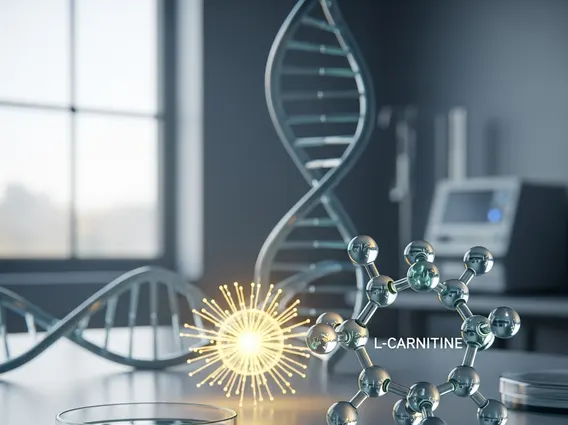
L-Carnitine is a quaternary ammonium compound synthesized in the liver and kidneys from the essential amino acids lysine and methionine. It is vital for various metabolic processes, primarily acting as a carrier molecule. Its fundamental function is to transport long-chain fatty acids across the inner mitochondrial membrane, a critical step for their subsequent breakdown and energy generation within the cell. This process is central to Understanding L-Carnitine and metabolism at a cellular level.
To understand What is L-Carnitine and how does it work, it functions as a shuttle. Without sufficient L-Carnitine, long-chain fatty acids cannot efficiently enter the mitochondria, leading to impaired energy production. While the body produces L-Carnitine, it can also be obtained from dietary sources, predominantly red meat and dairy products. Smaller amounts are found in some plant-based foods, but these are generally insufficient to meet the body’s requirements for those following strict vegetarian or vegan diets.
The body’s demand for L-Carnitine can vary based on factors like diet, age, and activity level. For instance, individuals with certain genetic conditions or those undergoing specific medical treatments may have impaired L-Carnitine synthesis or increased loss, necessitating supplementation. Research indicates that approximately 98% of the body’s L-Carnitine stores are found in muscle tissue, highlighting its significant role in physical activity and muscle function. (Source: National Institutes of Health, Office of Dietary Supplements).
Natural Sources of L-Carnitine
While the body synthesizes L-Carnitine, dietary intake significantly contributes to its overall levels. Foods rich in L-Carnitine are primarily animal-based, making it a nutrient of particular interest for individuals with restricted diets.
| Food Source | Approximate L-Carnitine Content (mg per 100g) |
|---|---|
| Beef Steak | 95 |
| Ground Beef | 90 |
| Codfish | 5-7 |
| Chicken Breast | 3-5 |
| Milk | 3 |
| Avocado | 0.2 |
This table illustrates the varying concentrations of L-Carnitine across different food types, emphasizing the higher content in red meats. For those who do not consume animal products, or have conditions that affect synthesis, L-Carnitine supplements for energy might be considered, though always under professional guidance.
L-Carnitine for Energy Production
The primary and most recognized function of L-Carnitine is its indispensable role in cellular energy production. It acts as a crucial facilitator for the transport of long-chain fatty acids from the cell’s cytoplasm into the mitochondria, often referred to as the “powerhouses” of the cell. Once inside the mitochondria, these fatty acids undergo beta-oxidation, a metabolic pathway that breaks them down into acetyl-CoA, which then enters the Krebs cycle to generate adenosine triphosphate (ATP), the body’s main energy currency. This mechanism directly underpins L-Carnitine benefits for energy production.
Without adequate L-Carnitine, the transport of these fatty acids is severely hampered, leading to a reduced capacity for fat utilization as an energy source. This can result in an accumulation of fatty acids in the cytoplasm and a reliance on other less efficient energy pathways, potentially leading to fatigue and decreased physical performance. Therefore, L-Carnitine role in cellular energy is not merely supportive but absolutely foundational, ensuring that the body can efficiently convert dietary fats and stored body fat into usable energy.
Mitochondrial Fatty Acid Transport
The process of fatty acid transport into the mitochondria is complex and highly regulated. L-Carnitine forms a reversible ester bond with fatty acids, creating acylcarnitine, which is then transported across the inner mitochondrial membrane by specific carrier proteins. This shuttle system ensures that fatty acids, which cannot freely cross the mitochondrial membrane, gain access to the enzymatic machinery required for their breakdown. This intricate transport mechanism is a cornerstone of how the body manages its energy substrates.
ATP Synthesis Enhancement
By facilitating the efficient delivery of fatty acids to the mitochondria, L-Carnitine directly contributes to enhanced ATP synthesis. The complete oxidation of fatty acids yields a significant amount of ATP, far more than carbohydrates or proteins per unit weight. Therefore, optimizing this pathway through sufficient L-Carnitine levels can improve overall energy efficiency, particularly during prolonged physical activity or states of high energy demand. This is why L-Carnitine supplements for energy are often explored by athletes and individuals seeking to support their metabolic vitality.
Aiding Fat Metabolism with L-Carnitine
Beyond its direct involvement in energy production, L-Carnitine plays a pivotal role in overall fat metabolism. By ensuring that fatty acids are efficiently transported into the mitochondria for oxidation, it directly influences the body’s ability to utilize fat stores for fuel. This mechanism is central to How L-Carnitine aids fat metabolism, as it promotes the breakdown of fats rather than their accumulation. It essentially primes the cellular machinery to burn fat more effectively, which can have implications for body composition and metabolic health.
The concept of L-Carnitine for fat burning explained revolves around this enhanced fatty acid oxidation. When the body has ample L-Carnitine, it can more readily tap into its fat reserves, converting them into energy. This is particularly relevant during periods of caloric deficit or increased physical activity, where the demand for energy from fat sources is higher. While L-Carnitine itself is not a magic bullet for weight loss, its supportive role in optimizing fat utilization can be a valuable component of a comprehensive approach to managing body weight and promoting a healthy metabolism.
It is important to note that while L-Carnitine facilitates fat metabolism, its effects are most pronounced when combined with a balanced diet and regular exercise. A meta-analysis published in the journal Obesity Reviews (2016) indicated that L-Carnitine supplementation might lead to a modest reduction in body weight, fat mass, and BMI, particularly in overweight or obese adults. However, these effects are generally observed in conjunction with lifestyle interventions, underscoring that L-Carnitine acts as a metabolic aid rather than a standalone solution for significant fat loss.
Furthermore, L-Carnitine also helps in the removal of metabolic waste products from the mitochondria, preventing their accumulation which could otherwise impair mitochondrial function. This detoxification aspect further supports efficient fat metabolism and overall cellular health. By maintaining optimal mitochondrial function, L-Carnitine ensures that the cellular environment remains conducive to continuous and efficient energy generation from fats, contributing to sustained metabolic vigor.
Frequently Asked Questions About L-Carnitine
Can L-Carnitine help with weight loss?
L-Carnitine plays a role in transporting fatty acids for energy production, which can support fat metabolism. While it is not a direct weight-loss supplement, studies suggest it may contribute to modest reductions in body weight and fat mass when combined with a healthy diet and regular exercise. Its primary function is to optimize the body’s ability to burn fat for fuel, making it a supportive agent in a comprehensive weight management strategy rather than a standalone solution.
What are the best sources of L-Carnitine?
The most abundant natural sources of L-Carnitine are animal products, particularly red meat like beef and lamb, and dairy products. Poultry and fish contain smaller amounts. For individuals who consume little to no animal products, such as vegetarians and vegans, dietary intake might be insufficient. In such cases, or for those with specific metabolic needs, L-Carnitine supplements for energy can be considered to ensure adequate levels, always under the guidance of a healthcare professional.
Is L-Carnitine safe to take as a supplement?
L-Carnitine supplements are generally considered safe for most healthy adults when taken at recommended dosages. Mild side effects, such as nausea, vomiting, abdominal cramps, or diarrhea, can occur with high doses. It is crucial to consult a healthcare provider before starting any new supplement, especially for individuals with pre-existing medical conditions or those taking other medications, to ensure safety and appropriateness. The FDA generally recognizes L-Carnitine as safe when used as intended.