Intraventricular Infusion
Intraventricular infusion is a specialized medical procedure used to deliver therapeutic agents directly into the cerebrospinal fluid (CSF) within the brain’s ventricular system. This method allows for precise drug delivery, bypassing the blood-brain barrier and achieving higher concentrations of medication at the target site.
Key Takeaways
- Intraventricular Infusion delivers drugs directly into the brain’s CSF.
- It bypasses the blood-brain barrier for targeted treatment.
- The procedure involves surgically implanting a catheter and a reservoir.
- Benefits include enhanced drug efficacy for neurological conditions and reduced systemic side effects.
- It is crucial for treating certain brain tumors and infections.
What is Intraventricular Infusion?
Intraventricular Infusion refers to a medical technique involving the direct administration of therapeutic substances into the cerebral ventricles, which are fluid-filled cavities located deep within the brain. This approach is primarily utilized when medications need to reach the central nervous system (CNS) effectively, particularly when the blood-brain barrier (BBB) prevents adequate drug penetration through conventional systemic routes. The cerebrospinal fluid (CSF) circulates throughout the ventricles and around the brain and spinal cord, making it an ideal medium for distributing drugs directly to CNS tissues. This method is critical for treating various neurological conditions, including certain cancers and infections of the brain and spinal cord, where systemic drug delivery might be ineffective or cause unacceptable side effects.
How Intraventricular Infusion Works and its Procedure
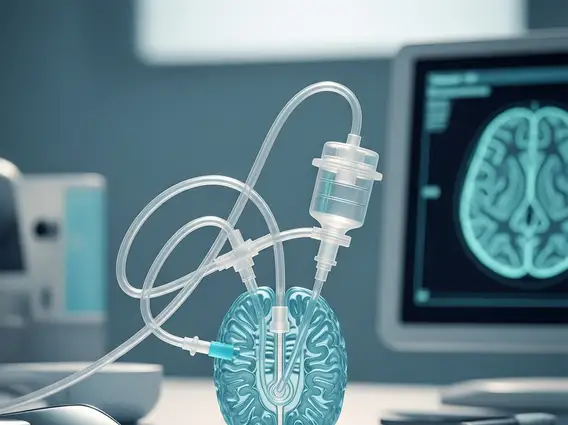
The mechanism of how intraventricular infusion works involves the surgical placement of a small, flexible catheter into one of the brain’s ventricles. This catheter is typically connected to a subcutaneous reservoir, often a Ommaya reservoir, which is implanted under the scalp. The reservoir has a self-sealing port through which medication can be injected using a fine needle. Once injected into the reservoir, the medication flows through the catheter directly into the CSF within the ventricle. From there, the drug disperses throughout the CSF, reaching various parts of the brain and spinal cord, ensuring targeted delivery to the affected areas.
The intraventricular infusion procedure explained typically involves several key steps:
- Surgical Implantation: A neurosurgeon creates a small incision in the scalp and a burr hole in the skull. A catheter is then carefully guided into a cerebral ventricle.
- Reservoir Placement: The other end of the catheter is connected to a reservoir, which is placed just beneath the scalp, creating a small bump that can be felt.
- Drug Administration: Once the system is in place and healed, medication is administered by injecting it into the reservoir’s port. This can be done intermittently or continuously, depending on the treatment regimen.
- Monitoring: Patients are closely monitored for any signs of complications, such as infection or increased intracranial pressure.
This direct delivery system ensures that the therapeutic agent bypasses the systemic circulation, minimizing exposure to other organs and potentially reducing overall side effects.
Benefits of Intraventricular Infusion Therapy
The benefits of intraventricular infusion therapy are significant, especially for conditions where conventional treatments struggle to reach the central nervous system. One primary advantage is the ability to achieve high concentrations of medication directly at the site of disease within the brain or spinal cord. This is particularly crucial for treating brain tumors, such as certain gliomas or medulloblastomas, and severe CNS infections, where effective drug levels are paramount for therapeutic success. By bypassing the blood-brain barrier, drugs that would otherwise be ineffective due to poor penetration can be utilized.
This targeted approach offers a critical pathway for managing complex neurological disorders, improving patient outcomes and quality of life.