Intravenous Urogram
An Intravenous Urogram (IVU) is a specialized X-ray examination that visualizes the kidneys, ureters, and bladder. This diagnostic procedure uses a contrast dye injected into a vein to highlight the urinary tract, helping medical professionals assess its structure and function.
Key Takeaways
- An Intravenous Urogram (IVU) is an X-ray imaging test using contrast dye to examine the urinary tract.
- It helps diagnose conditions like kidney stones, tumors, blockages, and congenital abnormalities.
- The procedure involves injecting a contrast agent and taking a series of X-rays as the dye moves through the urinary system.
- Preparation typically includes fasting and discussing allergies, while recovery focuses on hydration.
- Potential risks, though rare, include allergic reactions to the contrast dye and kidney function issues.
What is an Intravenous Urogram (IVU)?
An Intravenous Urogram (IVU), also known as an Intravenous Pyelogram (IVP), is a radiological examination that provides detailed images of the urinary system. This includes the kidneys, which filter waste from the blood; the ureters, tubes that carry urine from the kidneys to the bladder; and the bladder itself, which stores urine. The procedure involves injecting an iodine-based contrast material into a vein, which then travels through the bloodstream to the kidneys and is excreted into the urinary tract, making these structures visible on X-ray images.
The primary purpose of an IVU is to evaluate the anatomy and function of the urinary tract. By observing how the contrast dye moves through the system, doctors can identify abnormalities that might not be visible with standard X-rays. This diagnostic tool is crucial for detecting various conditions affecting urinary health.
Intravenous Urogram: Procedure, Purpose, and Risks
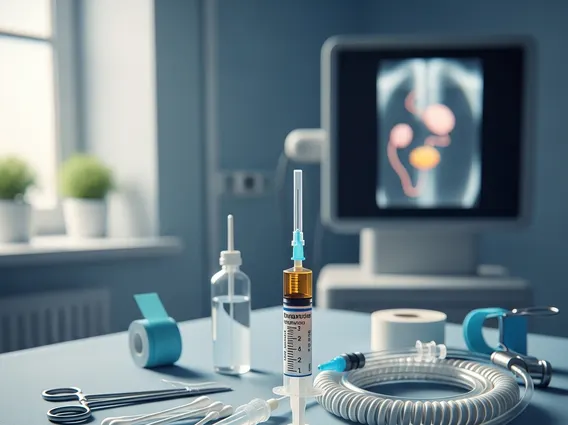
The intravenous urogram procedure explained involves several steps. First, the patient lies on an X-ray table. A healthcare professional will then inject a contrast dye, usually iodine-based, into a vein in the arm. As the dye circulates and is filtered by the kidneys, a series of X-ray images are taken at specific intervals. These images capture the dye as it fills the renal collecting systems, ureters, and bladder, providing a dynamic view of the urinary tract’s function and structure. The entire imaging process typically takes about 30 to 60 minutes, though it can sometimes extend longer depending on how quickly the dye moves through the system.
The intravenous urogram purpose risks are important considerations. The main purpose of an IVU is to diagnose and evaluate a range of urinary tract conditions. These include:
- Kidney stones or stones in the ureters or bladder.
- Tumors or cysts in the kidneys, ureters, or bladder.
- Blockages or obstructions in the urinary tract.
- Congenital abnormalities of the urinary system.
- Injury or trauma to the urinary tract.
While generally safe, there are potential risks associated with the procedure. The most common risk is an allergic reaction to the contrast dye, which can range from mild symptoms like itching, hives, or nausea to more severe reactions such as difficulty breathing or anaphylaxis, though severe reactions are rare. Patients with pre-existing kidney conditions may also face a risk of contrast-induced nephropathy, a temporary worsening of kidney function. Radiation exposure is another consideration, though the levels used in IVUs are generally considered low and safe for most individuals.
Intravenous Urogram Preparation and Recovery
Proper intravenous urogram preparation recovery is essential for accurate results and patient safety. Before the procedure, patients are typically advised to fast for several hours (e.g., 8-12 hours) to ensure the stomach is empty, which helps prevent nausea and vomiting and provides clearer images. It is also crucial to inform the healthcare provider about any allergies, especially to iodine or contrast dyes, as well as any existing medical conditions like diabetes, kidney disease, or asthma. Patients may be asked to adjust certain medications, particularly those for diabetes (like metformin) or blood thinners, in consultation with their doctor. Adequate hydration before the procedure is often recommended to help the kidneys process the contrast dye efficiently.
Following an IVU, recovery is generally straightforward. Patients are encouraged to drink plenty of fluids to help flush the contrast dye out of their system. Monitoring for any delayed allergic reactions is also advised, although these are uncommon. Most individuals can resume their normal activities immediately after the procedure. Any specific instructions regarding medication or activity restrictions will be provided by the medical staff. If any unusual symptoms like persistent rash, swelling, or difficulty breathing occur after returning home, immediate medical attention should be sought.