
Intravenous Immunoglobulin
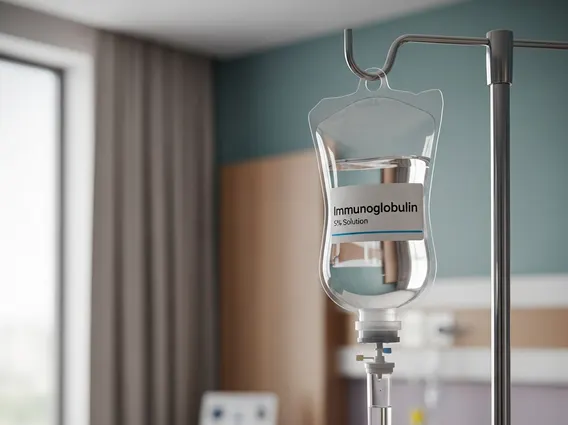
Intravenous Immunoglobulin (IVIG) is a vital medical treatment derived from human plasma, offering crucial support to individuals with compromised immune systems or certain autoimmune conditions. This therapy delivers a concentrated dose of antibodies to help regulate immune responses and combat various diseases.
Key Takeaways
- Intravenous Immunoglobulin (IVIG) therapy provides a broad spectrum of antibodies derived from human plasma.
- It is primarily used to treat primary immunodeficiency disorders, autoimmune diseases, and certain neurological conditions.
- IVIG works by modulating the immune system, helping to neutralize pathogens and regulate inflammatory responses.
- Benefits include reduced infection rates and improved management of autoimmune symptoms.
- While generally well-tolerated, potential side effects range from mild, flu-like symptoms to more severe, though rare, reactions.
What is Intravenous Immunoglobulin (IVIG) Therapy?
Intravenous Immunoglobulin (IVIG) refers to a therapeutic product made from pooled human plasma. This plasma is collected from thousands of healthy donors and processed to concentrate the immunoglobulin G (IgG) antibodies. These antibodies are crucial components of the immune system, responsible for recognizing and neutralizing pathogens like bacteria and viruses. The administration of IVIG therapy involves infusing this concentrated antibody solution directly into a patient’s bloodstream, providing immediate passive immunity or modulating an overactive immune response.
The primary goal of IVIG therapy is to supplement or correct immune deficiencies, or to modulate an aberrant immune system. It acts through multiple mechanisms, including blocking Fc receptors, neutralizing autoantibodies, suppressing pro-inflammatory cytokines, and enhancing the clearance of immune complexes. This complex interplay helps restore immune balance and protect the body from disease.
How Does IVIG Therapy Work in the Body?
The mechanism of action for IVIG therapy is multifaceted. Once infused, the antibodies in IVIG circulate throughout the body, interacting with various components of the immune system. In patients with primary immunodeficiencies, the administered IgG antibodies directly replace missing or dysfunctional antibodies, thereby improving the body’s ability to fight infections. For autoimmune and inflammatory conditions, IVIG works by modulating the immune system’s activity. It can block harmful autoantibodies, interfere with inflammatory pathways, and regulate immune cell function, effectively dampening an overactive or misdirected immune response. This immunomodulatory effect helps to reduce inflammation and tissue damage caused by the body’s own immune system.
IVIG Treatment Uses and Benefits
IVIG treatment uses and benefits span a wide range of medical conditions, primarily focusing on immune system disorders. It is a cornerstone therapy for individuals with primary immunodeficiency diseases, where the body cannot produce enough antibodies to fight off infections effectively. In these cases, regular IVIG infusions significantly reduce the frequency and severity of infections, improving overall health and quality of life. Beyond immunodeficiencies, IVIG is also highly effective in treating various autoimmune and inflammatory conditions.
Some of the conditions for which IVIG therapy is commonly prescribed include:
- Primary Immunodeficiency Disorders (e.g., Common Variable Immunodeficiency, X-linked Agammaglobulinemia)
- Autoimmune Neuropathies (e.g., Chronic Inflammatory Demyelinating Polyneuropathy, Guillain-Barré Syndrome)
- Idiopathic Thrombocytopenic Purpura (ITP)
- Kawasaki Disease
- Myasthenia Gravis
- Dermatomyositis and Polymyositis
The benefits extend to reducing inflammation, preventing tissue damage, and improving neurological function in autoimmune disorders. For instance, in conditions like CIDP, IVIG can help prevent nerve damage and improve muscle strength, allowing patients to maintain greater independence.
Intravenous Immunoglobulin Side Effects Explained
While generally well-tolerated, Intravenous immunoglobulin side effects explained can range from mild and transient to more severe, though rare, reactions. Most adverse events are infusion-related and can often be managed by adjusting the infusion rate or administering pre-medications.
Common side effects typically include:
- Headache
- Fever or chills
- Nausea and vomiting
- Muscle aches
- Fatigue
These reactions usually occur during or shortly after the infusion and tend to resolve spontaneously. According to the Immunoglobulin National Society (IgNS), adverse reactions to IVIG are generally mild and transient, occurring in 5-15% of infusions. More serious, albeit rare, side effects can include severe allergic reactions (anaphylaxis), renal dysfunction, aseptic meningitis, and thrombotic events (blood clots). Patients are closely monitored during and after IVIG infusions to promptly identify and manage any potential adverse reactions. Healthcare providers carefully weigh the benefits against the risks for each individual patient before initiating therapy.



















