Intravenous
Intravenous (IV) administration is a fundamental medical procedure involving the delivery of fluids, medications, or nutrients directly into a person’s vein. This method ensures rapid and efficient absorption into the bloodstream, making it a cornerstone of modern healthcare.
Key Takeaways
- Intravenous administration delivers substances directly into the bloodstream via a vein.
- It offers rapid absorption and precise control over medication dosage.
- Common uses include hydration, medication delivery, and nutritional support.
- IV therapy involves various fluid types, each serving specific medical purposes.
- Benefits range from immediate relief to life-saving interventions in critical situations.
What is Intravenous (IV)?
Intravenous (IV) refers to the administration of substances directly into a vein. This medical technique is crucial for delivering fluids, medications, and nutrients throughout the body quickly and effectively. The term literally means “within the vein.”
Intravenous therapy is a medical procedure that involves inserting a catheter, a small tube, directly into a patient’s vein, typically in the arm or hand. This allows for the direct infusion of liquids into the circulatory system. This method bypasses the digestive system, ensuring that substances reach the bloodstream immediately, which is vital in situations requiring rapid therapeutic effects or when oral administration is not feasible or effective. Common applications include rehydration, electrolyte balance, blood transfusions, and the delivery of chemotherapy or antibiotics.
Mechanism and Types of Intravenous Therapy
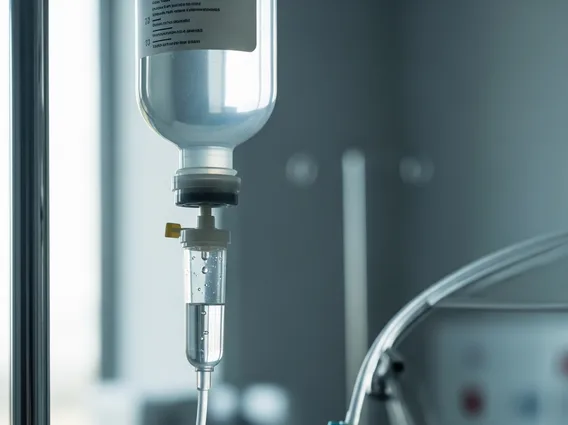
Understanding how does an IV work involves recognizing the direct pathway to the bloodstream. A healthcare professional inserts a thin, flexible tube (catheter) into a peripheral vein, usually in the arm. Once the catheter is in place, it is secured and connected to an IV line, which then connects to a bag containing the prescribed fluid or medication. Gravity or an infusion pump regulates the flow rate, ensuring a steady and controlled delivery into the vein, from where it quickly circulates throughout the body.
There are various intravenous fluid types and uses, each designed for specific medical needs. These fluids are broadly categorized based on their tonicity (concentration of solutes compared to blood plasma) and composition:
- Isotonic Solutions: These solutions have a similar solute concentration to blood plasma, causing no net fluid movement into or out of cells. Examples include 0.9% Sodium Chloride (Normal Saline) and Lactated Ringer’s. They are commonly used for hydration, expanding extracellular fluid volume, and treating blood loss.
- Hypotonic Solutions: With a lower solute concentration than blood plasma, these solutions cause fluid to shift from the bloodstream into the cells. An example is 0.45% Sodium Chloride (Half-Normal Saline), used to hydrate cells and treat conditions like hypernatremia.
- Hypertonic Solutions: These solutions have a higher solute concentration than blood plasma, drawing fluid out of cells and into the bloodstream. Examples include 3% Sodium Chloride and Dextrose 5% in Normal Saline. They are used cautiously for severe hyponatremia or to reduce cerebral edema.
- Colloids: These contain large molecules that do not easily pass through capillary walls, thus remaining in the intravascular space and increasing oncotic pressure. Examples include albumin and synthetic starches, used for volume expansion and maintaining blood pressure.
Benefits of IV Treatment
The benefits of intravenous treatment are numerous and significant, making it an indispensable tool in modern medicine. One primary advantage is the rapid onset of action. By delivering medications directly into the bloodstream, IV therapy bypasses the digestive system and first-pass metabolism in the liver, ensuring that the therapeutic agent reaches its target cells much faster than oral medications. This is critical in emergencies, such as treating severe infections, acute pain, or anaphylaxis, where immediate intervention can be life-saving.
Furthermore, IV administration allows for precise control over dosage and concentration. Healthcare providers can accurately titrate medications to achieve desired therapeutic levels, which is particularly important for drugs with narrow therapeutic windows. It also ensures complete bioavailability, meaning 100% of the administered dose enters systemic circulation, unlike oral medications where absorption can be variable. According to the World Health Organization (WHO), safe and effective delivery of essential medicines, often via intravenous routes, is crucial for global health outcomes, especially in managing infectious diseases and critical care situations. IV therapy is also essential for patients who cannot take medications orally due to nausea, vomiting, or impaired consciousness, providing a reliable route for hydration, nutrition (e.g., Total Parenteral Nutrition), and electrolyte replacement.