Intrauterine Device
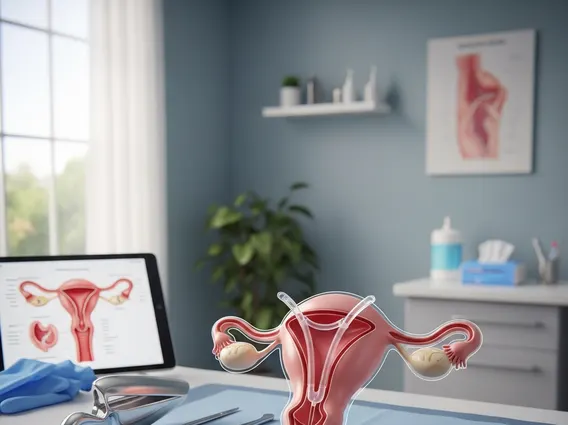
An intrauterine device (IUD) is a highly effective, long-acting reversible contraceptive method. It is a small, T-shaped device inserted into the uterus to prevent pregnancy.
Key Takeaways
- An Intrauterine Device (IUD) is a small, T-shaped contraceptive device placed in the uterus.
- IUDs are highly effective, offering protection against pregnancy for several years.
- There are two main types: hormonal IUDs, which release progestin, and copper IUDs, which are hormone-free.
- Both types work primarily by preventing fertilization and implantation.
- Benefits include long-term effectiveness and convenience, while potential side effects vary by type and can include changes in bleeding patterns or cramping.
What is an Intrauterine Device (IUD)?
An intrauterine device (IUD) is a form of long-acting reversible contraception (LARC) that is placed inside the uterus by a healthcare provider. It is a small, flexible, T-shaped device designed to prevent pregnancy for several years, depending on the type. IUDs are among the most effective birth control methods available, with a failure rate of less than 1% per year, making them comparable in effectiveness to sterilization but fully reversible, according to the Centers for Disease Control and Prevention (CDC).
The device works by creating an environment in the uterus that is inhospitable to sperm and eggs, thereby preventing fertilization and implantation. Once inserted, an IUD can remain in place for 3 to 10 years, offering continuous contraception without daily attention, which contributes significantly to its high effectiveness and user satisfaction.
How Intrauterine Devices Work and Their Types
How do IUDs work depends on their specific type, as there are two primary categories: hormonal IUDs and copper IUDs. Both types are highly effective at preventing pregnancy, though their mechanisms differ.
Hormonal IUDs release a small, steady dose of the hormone progestin directly into the uterus. This progestin thickens cervical mucus, making it difficult for sperm to reach an egg, and thins the uterine lining, which prevents implantation. It can also suppress ovulation in some individuals. Copper IUDs, on the other hand, are hormone-free. They release copper ions into the uterus, which creates an inflammatory reaction toxic to sperm and eggs, preventing fertilization. The copper also alters the uterine lining, making it unsuitable for implantation.
The types of intrauterine devices available offer different durations of effectiveness and may suit varying individual needs:
- Hormonal IUDs: These typically contain levonorgestrel, a type of progestin. Brands like Mirena, Kyleena, Liletta, and Skyla offer protection ranging from 3 to 8 years. They can also reduce menstrual bleeding and cramping, and some are approved for treating heavy menstrual bleeding.
- Copper IUDs: The most common copper IUD is Paragard, which can provide effective contraception for up to 10 years. It does not contain hormones and is a suitable option for those who cannot or prefer not to use hormonal birth control. However, it may increase menstrual bleeding and cramping in some users, especially during the first few months after insertion.
Both types are inserted during a brief office visit and can be removed by a healthcare provider at any time if pregnancy is desired or if the user wishes to switch methods.
Benefits and Side Effects of IUDs
The IUD benefits and side effects are important considerations for anyone contemplating this contraceptive method. One of the primary benefits is their exceptional effectiveness; IUDs are over 99% effective at preventing pregnancy, making them one of the most reliable birth control options. They are also long-acting, providing continuous contraception for several years without the need for daily pills or frequent injections, which greatly enhances convenience and adherence.
Other significant benefits include their reversibility, allowing for a quick return to fertility after removal, and their suitability for most individuals, including those who cannot use estrogen-containing contraceptives. Hormonal IUDs can also reduce menstrual bleeding and pain, while copper IUDs offer a hormone-free option.
However, like all medical interventions, IUDs can have side effects. Common side effects for hormonal IUDs may include irregular bleeding or spotting, especially in the first few months, and sometimes mood changes or headaches. For copper IUDs, increased menstrual bleeding, longer periods, and more intense cramping are common, particularly during the initial months after insertion. Less common but more serious risks for both types include:
- Pelvic inflammatory disease (PID), primarily if an existing infection is present at the time of insertion.
- Uterine perforation, where the IUD punctures the uterine wall, though this is rare.
- Expulsion of the IUD from the uterus, which can lead to unintended pregnancy.
It is crucial to discuss these potential benefits and risks with a healthcare provider to determine if an IUD is the most appropriate contraceptive choice for individual health needs and lifestyle.