Intrathecal
Intrathecal administration is a specialized medical approach for delivering medications directly into the cerebrospinal fluid (CSF) surrounding the spinal cord and brain. This method allows drugs to bypass the blood-brain barrier, offering targeted treatment for various neurological conditions and severe pain.

Key Takeaways
- Intrathecal administration delivers medication directly into the cerebrospinal fluid (CSF).
- It bypasses the blood-brain barrier, allowing for targeted central nervous system (CNS) treatment.
- Procedures involve either single injections or continuous delivery via implanted pumps.
- Benefits include lower drug doses, reduced systemic side effects, and enhanced efficacy for specific conditions.
- Commonly used for chronic pain, spasticity, and certain cancer treatments affecting the CNS.
What is Intrathecal?
Intrathecal refers to the method of administering substances directly into the subarachnoid space, which is the area surrounding the spinal cord and brain containing cerebrospinal fluid (CSF). This direct delivery route allows medications to act locally on the central nervous system (CNS) with minimal systemic exposure. It is primarily employed when drugs need to reach the CNS effectively, bypassing the protective blood-brain barrier that often limits the passage of many therapeutic agents. This approach is crucial for treating conditions where systemic administration would be ineffective, require prohibitively high doses, or cause unacceptable side effects throughout the body, ensuring that therapeutic concentrations are achieved precisely where they are needed most.
Intrathecal Drug Delivery: Procedure and Systems
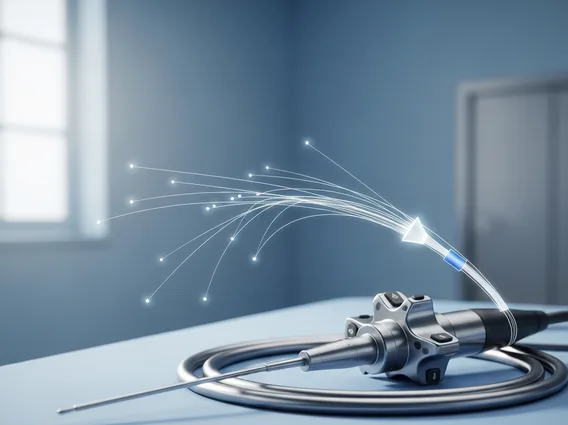
The intrathecal injection procedure involves carefully inserting a needle into the subarachnoid space, typically in the lumbar region of the spine, to deliver medication. This can be a one-time injection for acute conditions or diagnostic purposes, or it can be part of a continuous delivery system. For long-term treatment, an intrathecal drug delivery system is often utilized. This system typically consists of a small, programmable pump surgically implanted under the skin, usually in the abdomen, connected to a thin catheter that is threaded into the intrathecal space. The pump delivers precise, controlled doses of medication directly to the spinal cord. This method is particularly valuable for managing conditions such as:
- Severe chronic pain (e.g., from cancer or failed back surgery syndrome)
- Intractable spasticity (e.g., due to multiple sclerosis, cerebral palsy, or spinal cord injury)
- Certain types of cancer affecting the central nervous system (e.g., leptomeningeal carcinomatosis)
The programmable nature of these pumps allows for customized drug delivery schedules, optimizing therapeutic effects while minimizing adverse reactions.
Benefits of Intrathecal Therapy
The intrathecal therapy benefits are significant, especially for patients who have not responded to conventional treatments or experience severe side effects from systemic medications. By delivering drugs directly to the target site within the CNS, intrathecal therapy often requires much lower doses compared to oral or intravenous routes to achieve the same therapeutic effect. This reduction in dosage translates to a substantial decrease in systemic side effects, improving the patient’s overall quality of life and reducing the burden of adverse reactions. For instance, in chronic pain management, intrathecal opioids can provide superior pain relief with fewer sedative or gastrointestinal side effects than oral opioids, allowing patients to maintain greater functionality. The targeted delivery also enhances the efficacy of drugs that would otherwise struggle to cross the blood-brain barrier, making previously untreatable conditions manageable. According to studies, patients receiving intrathecal therapy for chronic non-cancer pain often report significant improvements in pain scores and functional ability, with some studies indicating a reduction in pain intensity by 50% or more in a substantial number of patients (e.g., as reported by the American Academy of Pain Medicine). This targeted approach offers a powerful and often life-changing solution for complex neurological and pain conditions.