Intraperitoneal Radiation Therapy
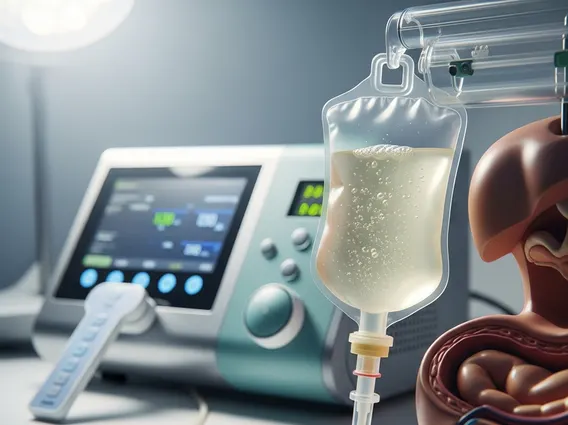
Intraperitoneal Radiation Therapy is a specialized cancer treatment that delivers radiation directly into the abdominal cavity, targeting cancers that have spread within this region. This approach aims to maximize radiation dose to cancerous cells while minimizing exposure to healthy tissues elsewhere in the body.
Key Takeaways
- Intraperitoneal Radiation Therapy delivers radiation directly to the abdominal cavity for localized cancer treatment.
- It is primarily used for cancers that have spread within the peritoneum, such as ovarian or colorectal cancer.
- The procedure involves surgically placing a catheter or administering a radioactive liquid directly into the abdomen.
- Benefits include a high localized dose to tumors and reduced systemic side effects compared to traditional radiation.
- Potential side effects can include abdominal pain, nausea, fatigue, and bowel changes.
What is Intraperitoneal Radiation Therapy?
Intraperitoneal Radiation Therapy (IPRT) is a localized form of radiation treatment designed to target cancer cells that have spread within the peritoneal cavity, the space containing organs like the stomach, intestines, and liver. This method is particularly effective for certain abdominal cancers, such as advanced ovarian cancer, colorectal cancer, and mesothelioma, where microscopic or small macroscopic disease is confined to the peritoneal surface. By delivering radiation directly to the affected area, IPRT aims to achieve a higher therapeutic dose at the tumor site while sparing distant healthy organs from radiation exposure, which is a common limitation of external beam radiation therapy.
The principle behind IPRT is to bathe the peritoneal cavity with radiation, allowing it to penetrate the superficial layers of cancerous tissue. This direct application contrasts with external beam radiation, which passes through the skin and surrounding tissues to reach the target. The localized nature of IPRT can lead to improved local control of the disease, especially when used in conjunction with surgery and chemotherapy, forming a comprehensive treatment strategy for complex abdominal malignancies.
Intraperitoneal Radiation Therapy Procedure
The Intraperitoneal radiation therapy procedure varies depending on the specific technique employed, but generally involves the direct administration of a radioactive substance into the peritoneal cavity. One common method involves the surgical placement of a catheter into the abdomen, often during an initial surgery to remove visible tumors (cytoreductive surgery). Through this catheter, a liquid containing radioactive isotopes, such as Phosphorus-32 (P-32) or Yttrium-90 (Y-90), is infused into the peritoneal space. The radioactive liquid then circulates within the cavity, delivering radiation to the peritoneal surfaces and any remaining microscopic cancer cells.
Another approach, known as Hyperthermic Intraperitoneal Chemotherapy (HIPEC) combined with intraoperative radiation, involves heating a chemotherapy solution and circulating it within the abdomen immediately after surgery, sometimes followed by a single high dose of radiation during the same surgical session. The duration of the radiation exposure depends on the isotope used and the specific treatment protocol. Patients typically remain hospitalized for monitoring after the procedure, ensuring proper distribution of the radioactive agent and managing any immediate reactions. The goal is to ensure uniform coverage of the peritoneal surfaces to maximize efficacy against widespread disease.
Benefits and Side Effects of Intraperitoneal Radiation Therapy
The Intraperitoneal radiation therapy benefits are primarily centered on its ability to deliver a high dose of radiation directly to the site of peritoneal cancer. This localized approach can lead to enhanced tumor control within the abdominal cavity, potentially improving survival rates for patients with advanced disease that has spread to the peritoneum. By concentrating the radiation where it is most needed, IPRT can reduce the systemic side effects often associated with conventional radiation therapy, as less radiation travels through the bloodstream or affects distant organs. This targeted delivery is particularly advantageous for cancers that tend to spread superficially across peritoneal surfaces rather than forming large, deeply invasive masses.
Despite its advantages, patients undergoing IPRT may experience various Intraperitoneal radiation therapy side effects. These side effects are generally localized to the abdominal region and can include nausea, vomiting, abdominal pain or cramping, fatigue, and changes in bowel habits such as diarrhea or constipation. More severe, though less common, complications can involve bowel obstruction, fistula formation, or damage to other abdominal organs. The severity and type of side effects can depend on the specific radioactive agent used, the total dose administered, and the individual patient’s health. Medical teams closely monitor patients during and after treatment to manage these side effects and provide supportive care, often prescribing medications to alleviate symptoms and ensure patient comfort.