Intrapelvic
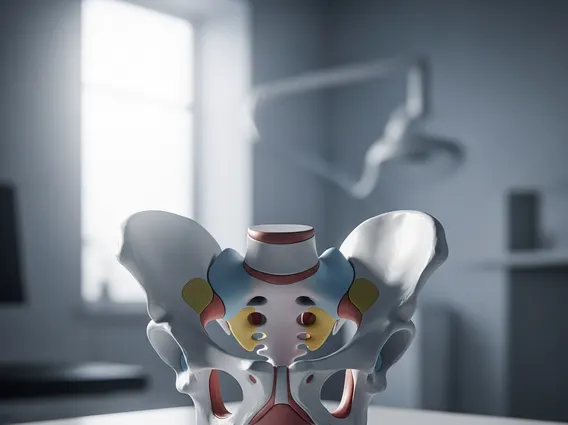
The term Intrapelvic refers to structures or processes located within the pelvis, a basin-shaped bony structure at the base of the spine. Understanding this region is crucial in medicine due to its vital organs and complex anatomical arrangement.
Key Takeaways
- Intrapelvic describes anything situated inside the pelvic cavity, encompassing organs, tissues, and spaces.
- The pelvis houses crucial reproductive, urinary, and digestive organs, supported by a complex network of muscles, ligaments, and nerves.
- Conditions affecting the intrapelvic region range from infections and pain syndromes to various types of cancer.
- Accurate diagnosis and treatment of intrapelvic conditions often require specialized medical imaging and interventions.
What is Intrapelvic?
Intrapelvic refers to anything located or occurring within the pelvic cavity. This anatomical term is fundamental in medicine, particularly in fields such as gynecology, urology, and colorectal surgery, as it precisely defines the location of various structures and conditions. The Intrapelvic region explained encompasses the space enclosed by the pelvic bones, which include the sacrum, coccyx, and the two hip bones (ilium, ischium, and pubis). This vital area protects and supports numerous essential organs and systems.
The pelvic cavity is broadly divided into the greater (false) pelvis and the lesser (true) pelvis. The true pelvis, which is the primary focus when discussing intrapelvic structures, contains the bladder, rectum, and reproductive organs (uterus, ovaries, fallopian tubes in females; prostate gland, seminal vesicles in males). Its boundaries are defined by the pelvic brim superiorly and the pelvic floor inferiorly. Understanding the intrapelvic area is key to localizing symptoms and pathologies, guiding diagnostic imaging, and planning surgical approaches. For instance, pelvic inflammatory disease (PID) is an intrapelvic infection, while a fractured femur shaft is not, even though it’s related to the hip bone.
Intrapelvic Anatomy and Function
The Intrapelvic anatomy and function are remarkably intricate, reflecting the diverse roles this region plays in the human body. The bony pelvis provides a strong framework, protecting delicate internal organs and serving as an attachment point for muscles of the trunk and lower limbs. Within this protective cage, the pelvic floor muscles form a sling-like structure that supports the pelvic organs, maintains continence (urinary and fecal), and plays a role in sexual function.
Key organs and structures within the intrapelvic region include:
- Urinary System: The bladder, which stores urine, and the distal parts of the ureters.
- Reproductive System: In females, this includes the uterus, ovaries, fallopian tubes, and vagina, essential for menstruation, reproduction, and hormone production. In males, it encompasses the prostate gland, seminal vesicles, and ejaculatory ducts, critical for semen production and transport.
- Digestive System: The rectum and anal canal, which are the terminal parts of the large intestine, responsible for waste storage and elimination.
- Vascular and Nervous Systems: A rich network of blood vessels (e.g., internal iliac arteries and veins) supplies these organs, while numerous nerves (e.g., sacral plexus, pudendal nerve) innervate them, controlling sensation, motor function, and autonomic processes.
The coordinated function of these systems within the intrapelvic space is vital for maintaining overall health and quality of life. For example, the pelvic floor muscles, supported by ligaments, work together to counteract intra-abdominal pressure and prevent organ prolapse.
Common Intrapelvic Medical Conditions
The intrapelvic region is susceptible to a wide array of medical conditions, given the density and complexity of its organs and tissues. Understanding these conditions is crucial for timely diagnosis and effective treatment. Common intrapelvic medical conditions can range from acute infections to chronic pain syndromes and life-threatening malignancies.
Some prevalent intrapelvic conditions include:
- Pelvic Inflammatory Disease (PID): An infection of the female reproductive organs, often caused by sexually transmitted bacteria, affecting the uterus, fallopian tubes, and ovaries. PID can lead to chronic pelvic pain, infertility, and ectopic pregnancy. According to the Centers for Disease Control and Prevention (CDC), over 1 million women in the United States experience an episode of acute PID each year, with significant long-term health consequences if untreated.
- Endometriosis: A condition where tissue similar to the lining of the uterus grows outside the uterus, often on other intrapelvic organs like the ovaries and fallopian tubes. It can cause severe pain, heavy bleeding, and infertility.
- Benign Prostatic Hyperplasia (BPH): An enlargement of the prostate gland in men, which can cause urinary symptoms such as frequent urination, urgency, and a weak stream. It is very common, affecting about 50% of men aged 51-60 and up to 90% of men over 80.
- Pelvic Organ Prolapse: Occurs when pelvic organs (such as the bladder, uterus, or rectum) descend from their normal position and bulge into the vagina, often due to weakened pelvic floor muscles and connective tissues.
- Intrapelvic Cancers: Various cancers can originate or spread within the pelvis, including ovarian cancer, uterine cancer, cervical cancer, prostate cancer, bladder cancer, and colorectal cancer. Early detection and treatment are critical for these conditions.
Diagnosis typically involves a combination of physical examination, imaging techniques (such as ultrasound, CT scans, or MRI), and sometimes biopsy. Treatment approaches vary widely depending on the specific condition and may include medication, physical therapy, or surgical intervention.