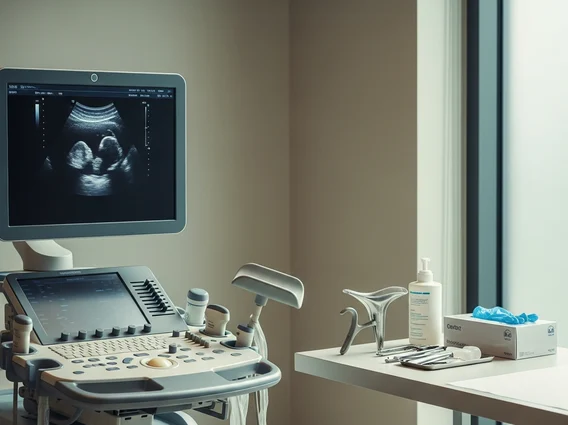
Intracavitary Radiation Therapy
Intracavitary Radiation Therapy is a specialized form of internal radiation therapy used primarily in oncology to treat various cancers. This technique involves placing a radioactive source directly within a body cavity or near the tumor, delivering a highly concentrated dose of radiation while minimizing exposure to surrounding healthy tissues.
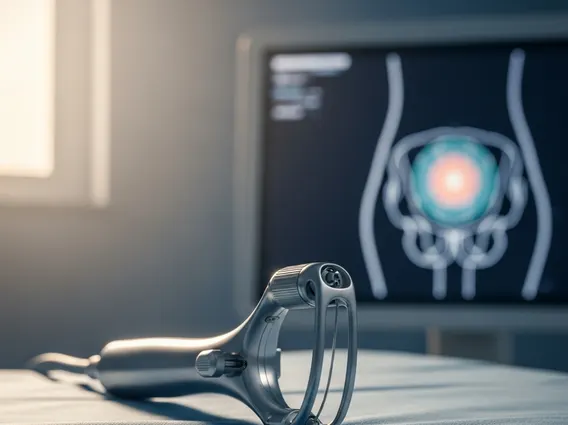
Key Takeaways
- Intracavitary Radiation Therapy is a type of brachytherapy where radioactive sources are placed inside the body.
- It delivers high doses of radiation directly to tumors, sparing nearby healthy organs.
- The procedure involves placing applicators, confirming their position with imaging, and then delivering radiation.
- Commonly used for gynecological cancers, prostate cancer, and breast cancer, among others.
- Side effects are typically localized and temporary, managed with supportive care.
What is Intracavitary Radiation Therapy?
Intracavitary Radiation Therapy is a form of brachytherapy, a type of internal radiation therapy where a sealed radioactive source is placed inside a body cavity or directly into the tumor tissue. This precise method allows for a very high dose of radiation to be delivered to the cancerous cells, significantly reducing the risk of damage to adjacent healthy organs and tissues. It is often used as a primary treatment or in conjunction with external beam radiation therapy and/or chemotherapy.
This therapeutic approach is particularly effective for cancers located in or near body cavities, such as the cervix, uterus, vagina, prostate, and breast. For instance, in cervical cancer, brachytherapy, including intracavitary radiation, is a cornerstone of treatment, with studies showing its critical role in achieving high local control rates. According to the World Health Organization (WHO), radiation therapy, including brachytherapy, is essential for treating many cancers, especially in regions with limited access to advanced surgical options.
How Intracavitary Radiation Therapy Works and Its Procedure
The mechanism behind Intracavitary Radiation Therapy involves the direct placement of a radiation source, ensuring that the radiation dose gradient is steep, meaning the dose is very high at the tumor site and rapidly decreases further away. This localized delivery is crucial for maximizing tumor cell kill while protecting critical structures. The overall process, often referred to as the Intracavitary Radiation Therapy procedure, typically involves several key steps:
- Applicator Placement: Specialized applicators, such as cylinders, ovoids, tandem and ovoids, or interstitial needles, are carefully inserted into the body cavity or tumor area. The choice of applicator depends on the cancer type, location, and patient anatomy.
- Imaging and Planning: Once the applicators are in place, imaging techniques like X-rays, CT scans, or MRI scans are used to confirm their precise position. This imaging data is then used by a radiation oncologist and medical physicist to create a personalized treatment plan, determining the exact dose and duration of radiation delivery.
- Radiation Delivery: A radioactive source (e.g., Iridium-192) is temporarily guided through the applicators to the tumor site for a predetermined period. This can be done using high-dose-rate (HDR) brachytherapy, where the source is in place for minutes, or low-dose-rate (LDR) brachytherapy, where the source remains for several hours or days.
- Source Removal: After the prescribed dose is delivered, the radioactive source is safely removed. In the case of HDR, the applicators are also removed shortly after each treatment session.
The entire process is meticulously planned and executed by a multidisciplinary team to ensure patient safety and treatment efficacy. Patients typically undergo several treatment sessions over a period, depending on their specific cancer and treatment plan.
Side Effects of Intracavitary Radiation Therapy
While Intracavitary Radiation Therapy is designed to minimize damage to healthy tissues, patients may still experience certain Intracavitary Radiation Therapy side effects. These side effects are generally localized to the treated area and are often temporary. The specific side effects can vary depending on the treated body cavity, the total radiation dose, and individual patient factors.
Common acute side effects, which occur during or shortly after treatment, may include:
- Fatigue
- Discomfort or pain at the treatment site
- Urinary symptoms (e.g., increased frequency, urgency, burning sensation)
- Bowel changes (e.g., diarrhea, rectal discomfort)
- Vaginal irritation or discharge (for gynecological treatments)
Most acute side effects resolve within a few weeks or months after treatment completion. Long-term or chronic side effects are less common but can occur, potentially including tissue fibrosis, changes in organ function, or vaginal stenosis. Patients are closely monitored by their healthcare team, and supportive care, including medications and lifestyle adjustments, is often provided to manage any discomfort or complications effectively. It is crucial for patients to communicate any new or worsening symptoms to their medical team promptly.