Interstitial Radiation Therapy
Interstitial Radiation Therapy is a precise form of internal radiation therapy used primarily in oncology. It involves placing radioactive sources directly into or very close to the tumor, delivering a high dose of radiation to the cancerous cells while minimizing exposure to surrounding healthy tissues.
Key Takeaways
- Interstitial Radiation Therapy is a type of brachytherapy where radioactive sources are implanted directly into a tumor.
- This method allows for a highly concentrated dose of radiation to the cancer cells, sparing nearby healthy tissue.
- It can be delivered as either Low-Dose Rate (LDR) or High-Dose Rate (HDR) therapy, depending on the specific cancer and treatment plan.
- Benefits include targeted treatment and potentially shorter overall treatment times compared to external beam radiation.
- Potential side effects are generally localized to the treated area and vary based on the tumor’s location.
What is Interstitial Radiation Therapy?
Interstitial Radiation Therapy is a specialized form of brachytherapy, which is a type of internal radiation therapy. It involves the direct implantation of radioactive sources (seeds, wires, or catheters) into the tumor itself or the tissue immediately surrounding it. This technique allows for the delivery of a very high dose of radiation directly to the cancerous cells, while significantly reducing the radiation exposure to adjacent healthy organs and tissues. This localized approach is particularly effective for certain types of cancers where precise targeting is crucial.
The primary goal of this therapy is to maximize the destruction of cancer cells while minimizing damage to critical structures nearby. The radioactive sources emit radiation over a specific period, targeting the tumor from within. This method is often chosen for its ability to conform the radiation dose closely to the tumor’s shape, making it a powerful tool in the fight against various malignancies.
How Interstitial Radiation Therapy Works
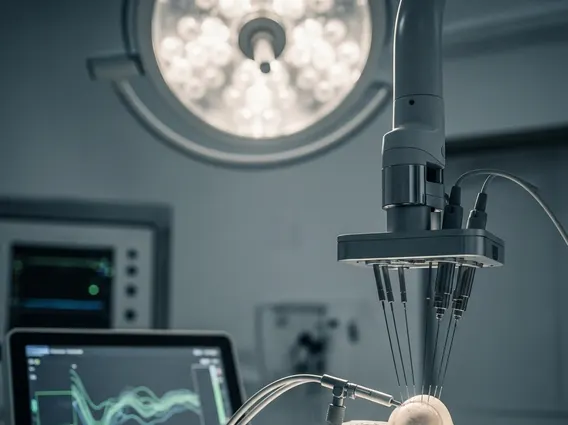
The mechanism of how interstitial radiation therapy works involves the precise placement of radioactive materials within the tumor. Before the procedure, detailed imaging scans (such as CT, MRI, or ultrasound) are used to map the tumor’s exact location and dimensions. This information guides the insertion of applicators, which are typically thin needles or catheters, into the tumor site. Once the applicators are correctly positioned, radioactive sources are loaded into them.
There are two main types of interstitial radiation therapy based on the dose rate:
- Low-Dose Rate (LDR) Brachytherapy: In LDR, radioactive seeds are permanently implanted into the tumor. These seeds emit radiation continuously over several weeks or months, gradually delivering the prescribed dose. Patients may remain hospitalized for a few days or be discharged with precautions, depending on the specific treatment plan and the type of cancer.
- High-Dose Rate (HDR) Brachytherapy: HDR involves temporarily placing radioactive sources into the tumor for short periods, usually a few minutes at a time. This process is typically repeated over several treatment sessions. The sources are removed after each session, and the patient does not remain radioactive. HDR allows for greater flexibility in dose delivery and is often performed on an outpatient basis.
The choice between LDR and HDR depends on factors such as the type and stage of cancer, the tumor’s location, and the patient’s overall health. Both methods aim to deliver a highly conformal dose of radiation, maximizing tumor control while sparing healthy tissues.
Benefits and Potential Side Effects
Interstitial Radiation Therapy benefits stem from its highly targeted approach. One significant advantage is the ability to deliver a very high dose of radiation directly to the tumor, which can lead to better local control of the cancer. Because the radiation source is inside the body, the dose to surrounding healthy tissues is significantly reduced compared to external beam radiation therapy. This precision can result in fewer and less severe side effects. Additionally, for some patients, interstitial therapy can lead to shorter overall treatment times, improving convenience and quality of life during treatment.
However, like all cancer treatments, interstitial radiation therapy side effects can occur. These side effects are typically localized to the area being treated and depend heavily on the tumor’s location. Common side effects might include:
| Treated Area | Potential Side Effects |
|---|---|
| Prostate | Urinary frequency, urgency, rectal irritation, erectile dysfunction |
| Breast | Skin irritation, bruising, swelling, tenderness in the treated area |
| Gynecological (e.g., cervix) | Vaginal dryness, irritation, changes in bowel habits |
| Head and Neck | Soreness, difficulty swallowing, dry mouth, skin reactions |
Most side effects are temporary and resolve within weeks or months after treatment. Long-term side effects are less common but can occur. Patients are closely monitored by their oncology team to manage any side effects and ensure the best possible outcome from their treatment.