Interstitial Fluid
Interstitial Fluid, also known as tissue fluid, is a crucial component of the extracellular fluid that surrounds the cells of the body. It plays a vital role in maintaining cellular health and facilitating essential physiological processes.
Key Takeaways
- Interstitial Fluid is the fluid found in the spaces between cells, acting as a medium for exchange.
- Its composition is similar to blood plasma but lacks large proteins and blood cells.
- It facilitates the transport of nutrients, oxygen, and hormones to cells.
- It collects metabolic waste products from cells for removal by the circulatory and lymphatic systems.
- Maintaining its balance is essential for proper tissue function and overall bodily homeostasis.
What is Interstitial Fluid?
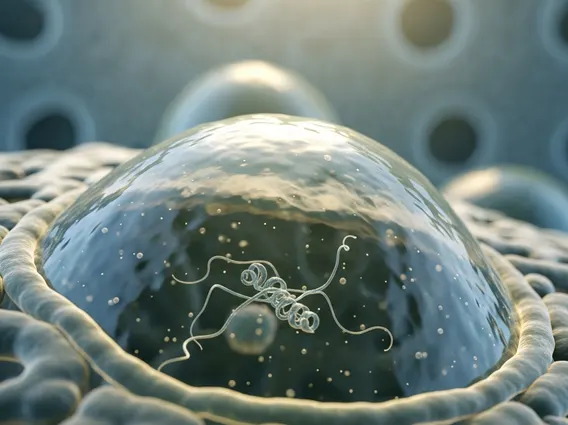
Interstitial Fluid refers to the fluid that bathes the cells of the body, filling the microscopic spaces between them. It is a major component of the extracellular fluid, which also includes blood plasma and transcellular fluid. This fluid acts as a dynamic medium, constantly exchanging substances with both the blood capillaries and the cells it surrounds. Its primary function is to provide a stable environment for cellular activity, ensuring that cells receive necessary nutrients and remove waste products efficiently.
The formation of Interstitial Fluid begins in the capillaries, where blood plasma filters out through tiny pores in the capillary walls. This process is driven by hydrostatic pressure, which pushes fluid out of the capillaries, and osmotic pressure, which draws some fluid back in. The balance between these forces determines the net movement of fluid, ensuring a continuous renewal of the interstitial environment.
Composition of Interstitial Fluid
The Interstitial fluid composition is remarkably similar to that of blood plasma, from which it originates, but with key differences. It is primarily water, containing dissolved substances such as ions, nutrients, hormones, and waste products. Essential ions like sodium, chloride, and bicarbonate are present in concentrations similar to plasma, maintaining osmotic balance and electrical neutrality.
However, Interstitial Fluid contains very few large proteins and virtually no red blood cells or platelets. This is because the capillary walls are generally impermeable to these larger molecules and cellular components. The absence of significant protein concentrations in the interstitial fluid is crucial for maintaining the osmotic gradient that facilitates fluid exchange between capillaries and tissues. Nutrients like glucose, amino acids, and fatty acids are readily available in the interstitial fluid, having diffused from the blood to be absorbed by cells, while metabolic waste products such as urea and carbon dioxide are collected from cells before returning to the bloodstream.
Functions of Interstitial Fluid in the Body
The Interstitial fluid function is multifaceted and critical for the survival and proper operation of every cell in the body. It serves as the immediate environment for cells, acting as a bridge between the circulatory system and the cells themselves. One of its primary roles is to facilitate the transport of vital substances. Oxygen and nutrients, such as glucose and amino acids, diffuse from the blood capillaries into the Interstitial Fluid, and then from the fluid into the cells, providing the necessary fuel and building blocks for cellular metabolism.
Conversely, metabolic waste products generated by cells, including carbon dioxide and urea, diffuse out of the cells into the Interstitial Fluid. From there, these wastes are transported back into the blood capillaries or enter the lymphatic system to be eventually removed from the body. This continuous exchange ensures that cells are constantly supplied with what they need and cleared of harmful byproducts. The overall Role of interstitial fluid in the body extends to maintaining cellular communication, as hormones and signaling molecules also travel through this fluid to reach their target cells, coordinating various physiological processes.
Furthermore, the Interstitial Fluid plays a crucial role in maintaining fluid balance and tissue turgor. A portion of the Interstitial Fluid, along with any proteins that may have leaked from capillaries, is collected by the lymphatic capillaries to form lymph. This process is vital for preventing fluid accumulation in tissues, which could lead to edema, and for returning proteins and excess fluid to the bloodstream, thus contributing to the body’s immune defense and circulatory volume regulation.