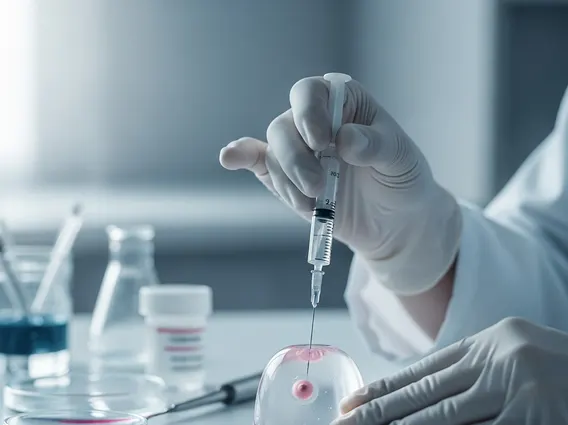
Internal Exam
An Internal Exam is a critical diagnostic procedure in healthcare, involving the physical assessment of internal organs or structures. These examinations are fundamental for detecting abnormalities, diagnosing conditions, and monitoring overall health, particularly in fields like general medicine, gynecology, and oncology.
Key Takeaways
- An Internal Exam is a physical assessment of internal body parts, crucial for health screening and diagnosis.
- Its primary purpose is the early detection of diseases, including various cancers and infections.
- Benefits include improved treatment outcomes, reduced disease progression, and enhanced patient well-being.
- The procedure involves a healthcare professional using specialized tools and techniques to examine internal structures.
- Regular internal exams are a vital component of preventive healthcare and disease management.
What is an Internal Exam?
An Internal Exam refers to a medical procedure where a healthcare professional physically examines internal organs or structures within the body. This type of examination is distinct from external visual inspections and typically involves the use of specialized instruments or a gloved hand to access and assess areas not visible from the outside. The specific nature of an internal exam varies widely depending on the body system being evaluated. For instance, a pelvic exam assesses the reproductive organs, a rectal exam checks the rectum and prostate, and an oral exam can involve inspecting the throat and tonsils. These examinations are foundational for identifying early signs of disease, assessing organ function, and guiding further diagnostic steps.
The procedure is performed by trained medical professionals, such as doctors, nurses, or physician assistants, in a clinical setting. It is a cornerstone of both routine check-ups and targeted diagnostic investigations, providing valuable insights into a patient’s internal health status. The information gathered during an internal exam often helps in determining the need for additional tests, such as imaging studies or biopsies, and plays a crucial role in formulating an accurate diagnosis and treatment plan.
Purpose and Benefits of Internal Exams
The primary purpose of internal exams is multifaceted, focusing on prevention, early detection, diagnosis, and monitoring of various health conditions. These examinations allow clinicians to identify subtle changes or abnormalities that might not be apparent through external observation or patient symptoms alone. Early detection, for example, is particularly vital in oncology, where conditions like cervical or colorectal cancer can be identified at stages when they are most treatable. According to the World Health Organization (WHO), screening programs that include internal examinations, such as cervical cancer screening, have significantly reduced mortality rates by detecting precancerous lesions and early-stage cancers.
The benefits of internal exams extend beyond early diagnosis, encompassing improved patient outcomes and overall well-being. Regular screenings can prevent the progression of diseases, reduce the need for more invasive treatments, and offer peace of mind. Key benefits include:
- Early Disease Detection: Identifying conditions like infections, cysts, tumors, or inflammation before they become symptomatic or advanced.
- Preventive Care: Monitoring risk factors and making timely interventions to prevent disease development.
- Accurate Diagnosis: Providing critical physical findings that complement patient history and laboratory results for a comprehensive diagnosis.
- Treatment Guidance: Informing treatment strategies and monitoring the effectiveness of ongoing therapies.
- Reduced Mortality and Morbidity: Especially for cancers, early detection through internal exams can dramatically improve survival rates and quality of life.
How Internal Exams Work
Understanding how internal exams work involves recognizing that the specific methodology varies based on the area of the body being examined. Generally, the process begins with the patient being positioned appropriately to allow the healthcare provider access to the internal structures. The provider will explain the procedure, answer any questions, and ensure patient comfort and privacy. For many internal exams, a lubricant is applied to a gloved hand or an instrument to facilitate a comfortable and safe examination.
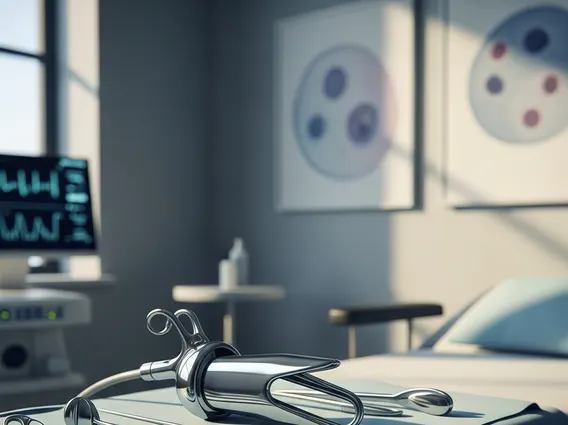
Instruments commonly used include a speculum for visualizing the vaginal canal and cervix during a pelvic exam, an otoscope for examining the ear canal and eardrum, or an ophthalmoscope for inspecting the interior of the eye. During a digital rectal exam, a gloved, lubricated finger is gently inserted into the rectum to palpate structures like the prostate gland in men or the lower rectum in both sexes. Throughout the examination, the healthcare professional carefully assesses the size, shape, texture, and any abnormalities of the internal organs. They may also collect samples, such as a Pap test during a pelvic exam, for further laboratory analysis. The entire process is typically brief and designed to gather essential diagnostic information with minimal discomfort to the patient.