Intermediate Grade Dcis
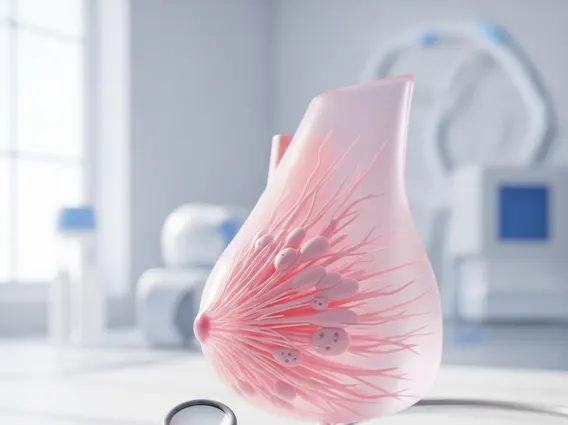
Intermediate Grade DCIS (Ductal Carcinoma In Situ) represents a non-invasive breast condition where abnormal cells are confined to the milk ducts. It is a precursor to invasive breast cancer, categorized by specific cellular characteristics that fall between low and high-grade forms.

Key Takeaways
- Intermediate Grade DCIS is a non-invasive breast condition where abnormal cells are contained within the milk ducts.
- It is often asymptomatic and typically detected through routine mammography screenings.
- Diagnosis is confirmed via biopsy, which evaluates the cellular characteristics and extent of the abnormal growth.
- Treatment primarily involves surgery, often followed by radiation therapy, to remove the abnormal cells and reduce recurrence risk.
- The prognosis for Intermediate Grade DCIS is generally excellent with appropriate treatment, though regular follow-up is crucial.
What is Intermediate Grade DCIS?
Intermediate Grade DCIS refers to a type of non-invasive breast cancer where abnormal cells have developed within the milk ducts but have not spread into the surrounding breast tissue. The term “intermediate grade” signifies that the cells exhibit characteristics that are more aggressive than low-grade DCIS but less aggressive than high-grade DCIS. This grading is based on factors such as the size and shape of the cell nuclei, the rate of cell division, and the presence of necrosis (dead cells) within the duct. While not immediately life-threatening, DCIS is considered a pre-cancerous condition because, if left untreated, it has the potential to progress to invasive breast cancer over time.
Understanding what is Intermediate Grade DCIS involves recognizing its position in the spectrum of DCIS types. Low-grade DCIS cells grow slowly and look more like normal cells, while high-grade DCIS cells grow rapidly, appear very abnormal, and have a higher risk of recurrence or progression to invasive cancer. Intermediate Grade DCIS falls in the middle, presenting a moderate risk profile that guides treatment decisions and prognosis.
Symptoms and Diagnosis of Intermediate Grade DCIS
One of the defining characteristics of Intermediate Grade DCIS is that it typically presents with no noticeable intermediate grade dcis symptoms. Most individuals diagnosed with this condition do not feel a lump or experience any pain, discharge, or changes in breast appearance. Consequently, the vast majority of cases are discovered incidentally during routine screening mammograms.
When an abnormality is detected on a mammogram, such as microcalcifications (tiny calcium deposits that can indicate the presence of DCIS), further diagnostic steps are initiated. These usually include additional mammographic views, ultrasound, or magnetic resonance imaging (MRI). The definitive diagnosis of Intermediate Grade DCIS is made through a biopsy, where a small tissue sample is removed from the suspicious area and examined under a microscope by a pathologist. Common biopsy methods include core needle biopsy or vacuum-assisted biopsy, which allow for a precise assessment of the cells’ grade and characteristics.
Treatment and Prognosis for Intermediate Grade DCIS
The primary goal of intermediate grade dcis treatment is to remove the abnormal cells and prevent their progression to invasive cancer. Treatment plans are individualized, taking into account factors such as the size and extent of the DCIS, its grade, the patient’s age, and personal preferences. The main treatment modalities include:
- Surgery: This is the cornerstone of treatment. It can involve a lumpectomy (breast-conserving surgery), where only the DCIS and a margin of healthy tissue are removed, or a mastectomy, which involves removing the entire breast, particularly for extensive or recurrent DCIS.
- Radiation Therapy: Often recommended after a lumpectomy, radiation therapy targets the remaining breast tissue to destroy any microscopic cancer cells that might have been left behind, thereby reducing the risk of recurrence.
- Hormone Therapy: If the DCIS cells are found to be hormone receptor-positive, medications like tamoxifen or aromatase inhibitors may be prescribed. These therapies help block the effects of hormones that can fuel cancer cell growth, further reducing the risk of recurrence in either breast.
The intermediate grade dcis prognosis is generally excellent, especially with appropriate and timely treatment. For most individuals, treatment effectively eliminates the abnormal cells, and the risk of developing invasive breast cancer is significantly reduced. However, regular follow-up care, including mammograms and clinical breast exams, is crucial to monitor for any signs of recurrence or new breast health concerns. While the risk of recurrence is low, it is not zero, and ongoing surveillance helps ensure early detection and intervention if needed.