Interleukin 7
Interleukin 7 is a vital cytokine that plays a fundamental role in the development and maintenance of various immune cells. Understanding its functions is crucial for comprehending the complexities of the immune system.
Key Takeaways
- Interleukin 7 is a cytokine essential for the maturation and survival of lymphocytes, particularly T cells and B cells.
- It is primarily produced by stromal cells in the bone marrow and thymus, as well as by intestinal epithelial cells.
- Interleukin 7 supports the proliferation and differentiation of progenitor cells into mature immune cells.
- Its critical role in immune system homeostasis makes it a subject of interest in immunology and potential therapeutic applications.
What is Interleukin 7?
Interleukin 7 (IL-7) is a type I cytokine, a signaling protein that plays a critical role in the immune system. It is primarily produced by non-hematopoietic cells, such as stromal cells in the bone marrow and thymus, as well as by keratinocytes and intestinal epithelial cells. This cytokine is essential for the development, survival, and proliferation of lymphocytes, which are key components of adaptive immunity. The fundamental role of Interleukin 7 is explained by its ability to influence the early stages of lymphocyte development, ensuring a robust and functional immune response.
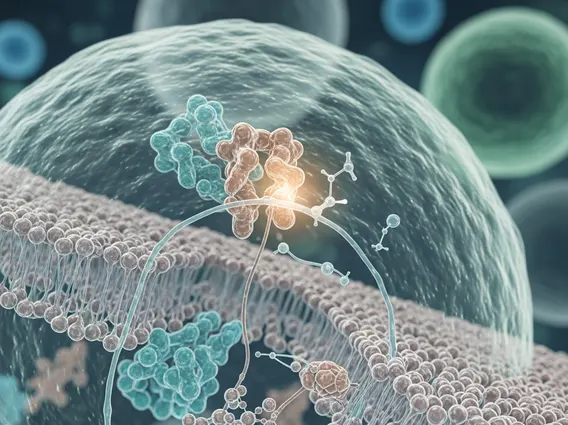
IL-7 exerts its effects by binding to the Interleukin 7 receptor (IL-7R), which is found on the surface of various immune cells. This binding initiates intracellular signaling pathways, such as the JAK/STAT pathway, leading to gene expression changes that promote cell growth, differentiation, and survival. Without adequate Interleukin 7, the production and maintenance of certain immune cell populations can be severely impaired, highlighting its indispensable nature in immune health.
Interleukin 7’s Role in Immune System Function
The primary interleukin 7 function revolves around its critical involvement in lymphopoiesis, the process of lymphocyte development. It is particularly vital for the maturation and survival of T lymphocytes (T cells) and B lymphocytes (B cells). In the thymus, IL-7 supports the proliferation and differentiation of T-cell progenitors, guiding them through various developmental stages until they become mature T cells capable of recognizing specific antigens. Similarly, in the bone marrow, it promotes the survival and expansion of B-cell precursors, facilitating their journey to become antibody-producing cells.
The interleukin 7 immune system role extends beyond just development; it is also crucial for maintaining the homeostasis of mature lymphocytes in the periphery. It helps ensure that T cells and B cells survive long enough to perform their immune surveillance functions and respond effectively to pathogens. This cytokine prevents programmed cell death (apoptosis) in these cells, thereby sustaining a diverse and functional lymphocyte pool. Its influence is particularly significant in conditions where lymphocyte numbers are compromised, such as during chemotherapy or certain viral infections.
Key aspects of Interleukin 7’s role include:
- T-cell Development: Promotes the proliferation and differentiation of T-cell progenitors in the thymus.
- B-cell Development: Supports the survival and expansion of B-cell precursors in the bone marrow.
- Lymphocyte Survival: Prevents apoptosis of both developing and mature T and B cells.
- Immune Homeostasis: Helps maintain adequate numbers of functional lymphocytes in the peripheral circulation.
- Immune Reconstitution: Plays a role in the recovery of the immune system after depletion events.
Due to its profound impact on lymphocyte biology, Interleukin 7 is a subject of intense research for its potential therapeutic applications in various immunodeficiencies, cancers, and infectious diseases, aiming to boost immune responses or restore depleted immune cell populations.