
Infections That Can Cause Cancer
While cancer is often associated with genetic factors or lifestyle choices, a significant number of cases worldwide are linked to various infectious agents. Understanding these connections is crucial for prevention and early detection strategies.
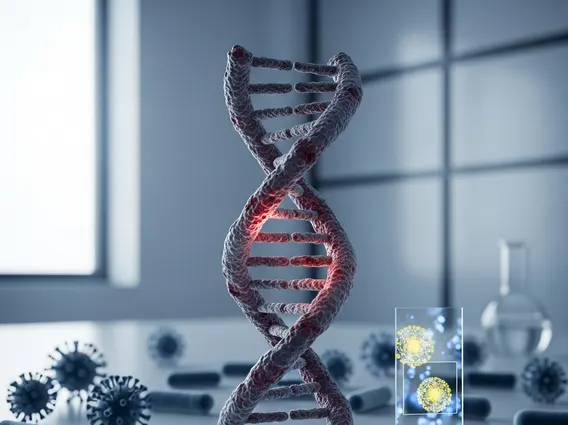
Key Takeaways
- Approximately 15-20% of all cancers globally are attributable to infectious agents, according to the World Health Organization (WHO).
- Infections can increase cancer risk through chronic inflammation, immune suppression, or direct cellular damage and genetic alteration.
- Key oncogenic viruses include HPV, HBV, HCV, EBV, HHV-8, and HTLV-1, leading to cancers like cervical, liver, and certain lymphomas.
- Bacteria like Helicobacter pylori and parasites such as Schistosoma species are also recognized as causes of specific cancers.
- Prevention strategies include vaccination (HPV, HBV), practicing safe hygiene, avoiding risky behaviors, and early detection and treatment of chronic infections.
How Infections Increase Cancer Risk
The relationship between certain infections that cause cancer is complex, involving various mechanisms through which pathogens can transform healthy cells into cancerous ones. Understanding how infections increase cancer risk is vital for developing effective prevention and treatment strategies. Infectious agents can contribute to cancer development in several ways, often over many years.
One primary mechanism involves chronic inflammation. Persistent infections can lead to long-term inflammation in tissues, which creates an environment conducive to cell proliferation and genetic mutations. This sustained inflammatory response can damage DNA, disrupt normal cell growth, and impair the body’s ability to repair itself, thereby increasing the likelihood that can infections trigger cancer. For instance, chronic hepatitis B or C infection leads to persistent inflammation in the liver, significantly raising the risk of hepatocellular carcinoma.
Another way infections contribute to cancer is through immune suppression. Some viruses directly weaken the immune system, making the body less capable of detecting and destroying abnormal cells that could become cancerous. Human Immunodeficiency Virus (HIV), for example, severely compromises immune function, increasing the risk of various cancers, including Kaposi’s sarcoma and certain lymphomas, which are often caused by other co-infecting viruses.
Furthermore, certain infectious agents can directly alter host cell DNA. Oncogenic viruses, in particular, can integrate their genetic material into the host cell’s genome or produce proteins that interfere with cell cycle regulation, tumor suppressor genes, or DNA repair pathways. This interference can lead to uncontrolled cell growth and division, a hallmark of cancer. These direct cellular changes are critical in explaining infections linked to cancer development.
Specific Infections That Cause Cancer
A diverse range of pathogens, including viruses, bacteria, and parasites, are recognized as direct or indirect causes of cancer. Identifying these specific types of infections that cause cancer is crucial for targeted prevention and treatment efforts.
Viral Infections Linked to Cancer
Viruses are among the most well-known infectious agents that contribute to cancer. Several oncogenic viruses have been definitively linked to specific malignancies, explaining what infections lead to cancer in many cases. These viruses and bacteria causing cancer often have unique mechanisms of action.
| Infectious Agent | Associated Cancers | Mechanism of Action |
|---|---|---|
| Human Papillomavirus (HPV) | Cervical, anal, oropharyngeal, vaginal, vulvar, penile cancers | Viral proteins (E6, E7) inactivate tumor suppressor genes (p53, Rb), leading to uncontrolled cell growth. |
| Hepatitis B Virus (HBV) | Hepatocellular Carcinoma (liver cancer) | Chronic inflammation, direct viral protein effects on cell cycle, integration into host DNA. |
| Hepatitis C Virus (HCV) | Hepatocellular Carcinoma (liver cancer), Non-Hodgkin Lymphoma | Chronic inflammation, oxidative stress, immune dysregulation. |
| Epstein-Barr Virus (EBV) | Burkitt Lymphoma, Hodgkin Lymphoma, Nasopharyngeal Carcinoma, Gastric Cancer | Latent infection alters cell growth, promotes B-cell proliferation, evades immune surveillance. |
| Human Herpesvirus 8 (HHV-8) / Kaposi’s Sarcoma-associated Herpesvirus (KSHV) | Kaposi’s Sarcoma, Primary Effusion Lymphoma, Multicentric Castleman Disease | Viral genes promote angiogenesis, cell proliferation, and inhibit apoptosis. |
| Human T-cell Lymphotropic Virus Type 1 (HTLV-1) | Adult T-cell Leukemia/Lymphoma (ATL) | Viral protein Tax activates oncogenic pathways and inhibits tumor suppressor genes. |
Bacterial and Parasitic Causes
Beyond viruses, certain bacteria and parasites are also recognized as significant contributors to cancer development. These agents often induce chronic inflammation or direct cellular damage, highlighting how diverse infections linked to cancer development can be.
- Helicobacter pylori (H. pylori): This bacterium is a major cause of chronic gastritis and peptic ulcers. It is strongly linked to gastric adenocarcinoma (stomach cancer) and gastric mucosa-associated lymphoid tissue (MALT) lymphoma. The chronic inflammation and immune response triggered by H. pylori infection are key factors in its oncogenic potential. The World Health Organization (WHO) classifies H. pylori as a Group 1 carcinogen.
- Schistosoma haematobium: A parasitic flatworm that causes schistosomiasis, particularly in parts of Africa and the Middle East. Chronic infection with this parasite in the bladder is a major risk factor for squamous cell carcinoma of the bladder. The continuous irritation and inflammation caused by the parasite’s eggs in the bladder wall lead to cellular changes that can become cancerous.
- Opisthorchis viverrini and Clonorchis sinensis (Liver Flukes): These food-borne parasitic flatworms are prevalent in Southeast Asia and are strongly associated with cholangiocarcinoma, a rare but aggressive cancer of the bile ducts. Chronic inflammation and damage to the bile duct epithelium due to the presence of these parasites are believed to drive malignant transformation.
Common Cancers Caused by Infectious Agents
Globally, a substantial proportion of cancer cases are attributable to infectious agents. The International Agency for Research on Cancer (IARC), a part of the WHO, estimates that approximately 15-20% of all cancers worldwide are caused by infections. This highlights the significant public health burden of cancers caused by infectious agents.
Among the most common cancers with an infectious etiology are:
- Cervical Cancer: Nearly all cases (over 99%) are caused by persistent infection with high-risk types of Human Papillomavirus (HPV). This makes cervical cancer one of the most preventable cancers through vaccination and screening.
- Liver Cancer (Hepatocellular Carcinoma): Chronic infections with Hepatitis B Virus (HBV) and Hepatitis C Virus (HCV) are the leading causes of liver cancer, accounting for a majority of cases globally. These viruses cause chronic inflammation and damage that eventually leads to cirrhosis and cancer.
- Stomach Cancer (Gastric Adenocarcinoma): Infection with Helicobacter pylori is the primary risk factor for gastric adenocarcinoma, contributing to a significant percentage of cases, particularly in regions with high prevalence of the bacterium.
- Certain Lymphomas: Epstein-Barr Virus (EBV) is linked to several types of lymphoma, including Burkitt lymphoma and Hodgkin lymphoma. Human Herpesvirus 8 (HHV-8) is the causative agent of Kaposi’s sarcoma, a cancer of the blood vessel lining, which is particularly prevalent in individuals with compromised immune systems, such as those with HIV.
- Anal and Oropharyngeal Cancers: High-risk HPV types are also responsible for a substantial number of anal cancers and a growing proportion of oropharyngeal (throat) cancers, especially those affecting the tonsils and base of the tongue.
These examples underscore the critical role of infectious diseases in the global cancer burden and emphasize the potential for prevention through public health interventions.
Preventing Infection-Related Cancers
Preventing infections that cause cancer is a cornerstone of global cancer control. Many strategies focus on reducing exposure to infectious agents, strengthening the immune response, and treating chronic infections effectively. These measures can significantly lower an individual’s risk of developing infection-related cancers.
Vaccination is one of the most powerful tools in preventing infection-related cancers. The HPV vaccine protects against the types of Human Papillomavirus that cause most cervical, anal, and other cancers. Similarly, the Hepatitis B vaccine is highly effective in preventing HBV infection, thereby reducing the risk of liver cancer. Widespread vaccination programs have already demonstrated significant reductions in the incidence of these cancers in vaccinated populations.
Practicing good hygiene and safe behaviors can also mitigate risk. This includes safe sexual practices to prevent the transmission of HPV and HIV, and avoiding sharing needles to prevent HCV and HBV transmission. Ensuring access to clean water and sanitation can reduce exposure to parasitic infections like Schistosoma. Proper food preparation and hygiene can also help prevent infections like H. pylori, though its transmission routes are complex.
Early detection and treatment of chronic infections are also crucial. For example, screening for and treating chronic Hepatitis B and C infections can prevent the progression to liver cirrhosis and cancer. Similarly, eradicating Helicobacter pylori infection in individuals with chronic gastritis or peptic ulcers can reduce the risk of gastric cancer and MALT lymphoma. Regular medical check-ups and adherence to screening guidelines can help identify and manage these conditions before they lead to malignancy.
By implementing these preventive measures, individuals and public health systems can significantly reduce the global burden of cancer attributable to infectious agents.
Frequently Asked Questions
Can all infections lead to cancer?
No, only a specific subset of infections has been identified as having oncogenic potential. While many infections can cause illness, only certain viruses, bacteria, and parasites have mechanisms that directly or indirectly promote cellular changes leading to cancer. These involve chronic inflammation, immune suppression, or direct alteration of host cell DNA, which are not features of most common infections. Research continues to identify and understand these specific links.
Is there a vaccine for all cancer-causing infections?
Currently, effective vaccines are available for some of the most common cancer-causing infections, specifically Human Papillomavirus (HPV) and Hepatitis B Virus (HBV). These vaccines have proven highly successful in preventing cervical cancer and liver cancer, respectively. However, vaccines are not yet available for all oncogenic pathogens, such as Hepatitis C Virus (HCV) or Helicobacter pylori, making other preventive measures and treatments essential for these infections.
How long does it take for an infection to cause cancer?
The development of cancer from an infection is typically a long-term process, often taking many years or even decades. For instance, chronic HPV infection can take 10-20 years or more to progress to cervical cancer. Similarly, liver cancer often develops after decades of chronic HBV or HCV infection. This prolonged latency period highlights the importance of early detection, vaccination, and managing chronic infections to prevent cancer development.



