Hypopigmentation
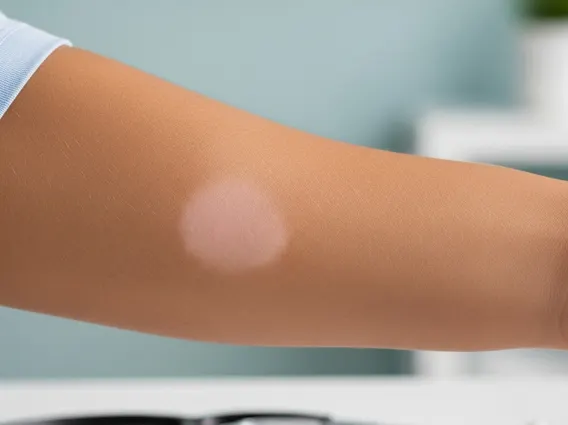
Hypopigmentation refers to a common dermatological condition characterized by the lightening of skin color, resulting from a decrease in melanin production or distribution. This alteration can manifest in various forms, affecting individuals of all ages and skin types.
Key Takeaways
- Hypopigmentation is a skin condition where patches of skin become lighter due to reduced melanin.
- It can stem from various causes, including genetic factors, autoimmune disorders, infections, or skin injuries.
- Common types include vitiligo, albinism, and post-inflammatory hypopigmentation.
- Symptoms primarily involve lighter skin patches, which can range from small spots to widespread areas.
- Treatment options vary greatly depending on the underlying cause and may include topical medications, light therapy, or addressing the root condition.
What is Hypopigmentation?
Hypopigmentation is a condition where the skin loses its natural color, leading to lighter patches or areas. This occurs when the melanocytes, the cells responsible for producing melanin (the pigment that gives skin, hair, and eyes their color), are either damaged, reduced in number, or unable to function properly. Melanin plays a crucial role in protecting the skin from ultraviolet (UV) radiation, and its absence or reduction can have both cosmetic and health implications. The extent of hypopigmentation can range from small, localized spots to large, widespread areas across the body, and it can be temporary or permanent depending on its underlying cause.
Types and Causes of Hypopigmentation
There are numerous types of hypopigmentation skin conditions, each with distinct characteristics and origins. Understanding these variations is crucial for accurate diagnosis and effective management. The causes of hypopigmentation are diverse, encompassing genetic predispositions, autoimmune responses, infections, inflammatory reactions, and physical trauma to the skin.
Some common types of hypopigmentation include:
- Vitiligo: An autoimmune condition where the immune system mistakenly attacks and destroys melanocytes, leading to distinct, depigmented patches that can expand over time. It affects approximately 0.5-2% of the global population, according to the American Academy of Dermatology.
- Albinism: A group of inherited genetic disorders characterized by a complete or partial absence of melanin in the skin, hair, and eyes. Individuals with albinism often have very pale skin, white hair, and light-colored eyes, and are highly susceptible to sun damage.
- Post-inflammatory Hypopigmentation: Occurs after skin injury, inflammation, or infection (e.g., eczema, psoriasis, burns, or acne). As the skin heals, it may lose some of its pigment, resulting in lighter areas.
- Tinea Versicolor: A common fungal infection caused by an overgrowth of yeast on the skin, leading to patches that can appear lighter or darker than the surrounding skin, often with a fine scale.
- Idiopathic Guttate Hypomelanosis: Characterized by small, flat, white spots, typically on sun-exposed areas like the shins and forearms. Its exact cause is unknown but is thought to be related to aging and sun exposure.
Other causes can include certain medications, chemical exposures, or rare genetic syndromes. Identifying the specific cause is paramount for determining the most appropriate course of action.
Hypopigmentation Symptoms and Treatment Options
The primary hypopigmentation symptoms and treatment revolve around the appearance of lighter skin patches. These patches may vary in size, shape, and distribution across the body. Depending on the underlying condition, affected areas might also exhibit other characteristics, such as dryness, scaling, or a different texture. For instance, in vitiligo, the patches are typically smooth and distinct, while in tinea versicolor, they may be slightly scaly.
Treatment for hypopigmentation is highly individualized and depends entirely on the specific cause and extent of the condition. There is no universal cure, but various approaches aim to restore pigment, prevent further loss, or manage associated symptoms:
- Topical Medications: Corticosteroids, calcineurin inhibitors, or vitamin D analogs may be prescribed to help repigment the skin, particularly in conditions like vitiligo or post-inflammatory hypopigmentation.
- Light Therapy: Phototherapy, using narrow-band ultraviolet B (NB-UVB) light, can stimulate melanocytes to produce pigment. This is a common treatment for widespread vitiligo.
- Surgical Options: For stable vitiligo, procedures like skin grafting or blister grafting can transfer healthy melanocytes to depigmented areas.
- Addressing Underlying Conditions: For hypopigmentation caused by infections (like tinea versicolor), antifungal medications are used. If an inflammatory condition is the root cause, treating the inflammation can sometimes lead to repigmentation.
- Cosmetic Solutions: Camouflage makeup or self-tanning lotions can help blend lighter patches with surrounding skin, offering a cosmetic solution while treatments take effect or for conditions without a definitive cure.
It is crucial for individuals experiencing hypopigmentation to consult with a dermatologist for an accurate diagnosis and to discuss the most suitable treatment plan. Early intervention can often lead to better outcomes, especially for progressive conditions.