Hyperthermic Perfusion
Hyperthermic Perfusion is a highly specialized and advanced medical procedure used primarily in oncology to treat certain localized cancers. It involves isolating a specific region or organ of the body and perfusing it with a heated chemotherapy solution.
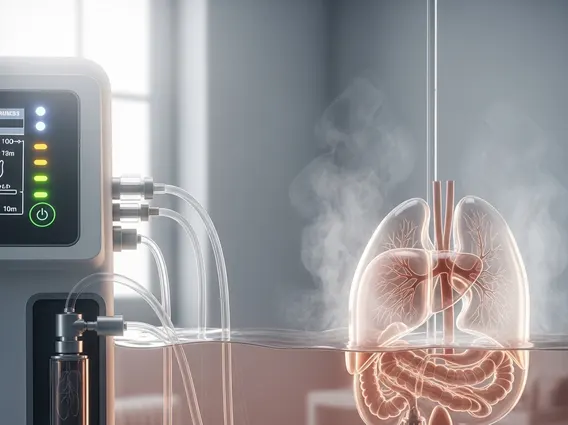
Key Takeaways
- Hyperthermic Perfusion is a targeted cancer treatment that combines chemotherapy with elevated temperatures.
- It involves isolating a body region or organ and circulating heated chemotherapy directly to the tumor site.
- The heat enhances chemotherapy’s effectiveness and can directly kill cancer cells, while minimizing systemic side effects.
- This therapy is primarily used for advanced, localized cancers, such as those in the abdomen or limbs.
- Benefits include improved local tumor control and potentially increased survival rates for selected patients.
What is Hyperthermic Perfusion?
Hyperthermic Perfusion refers to a complex surgical procedure that delivers high-dose chemotherapy directly to a specific area of the body, such as an organ or a limb, while simultaneously heating the chemotherapy solution. This specialized approach is designed to treat advanced, localized cancers that have not spread extensively to distant sites. The principle behind this technique is that elevated temperatures (hyperthermia) can make cancer cells more susceptible to chemotherapy, enhancing the drug’s effectiveness while minimizing its systemic side effects on the rest of the body. This targeted delivery allows for higher concentrations of chemotherapy to reach the tumor than would be possible with conventional intravenous administration.
The concept of hyperthermic perfusion treatment explained involves a multidisciplinary team of surgeons, oncologists, and perfusionists working together to precisely manage the temperature and drug concentration. It is often considered for cancers that have spread within a body cavity or a limb but are still confined enough to be surgically removed or treated locally. The combination of heat and chemotherapy aims to achieve better local control of the disease, which can be critical for improving patient outcomes.
How Hyperthermic Perfusion Treatment Works
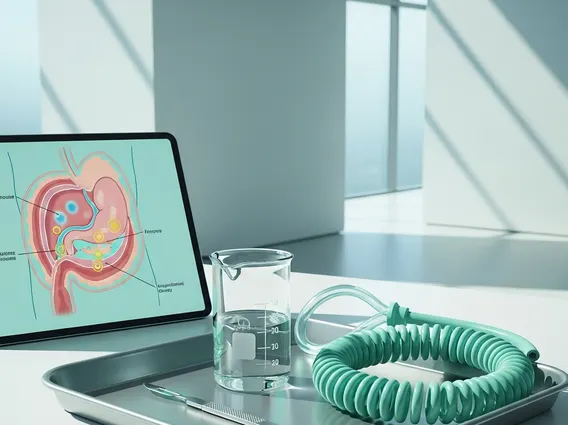
The mechanism of Hyperthermic Perfusion involves several key steps and physiological effects. During the procedure, the blood supply to the targeted region (e.g., the abdominal cavity for peritoneal cancers or a limb for melanoma/sarcoma) is temporarily isolated from the body’s general circulation. A specialized machine then circulates a chemotherapy solution, heated to a specific temperature (typically between 40°C and 42°C), directly through this isolated area. This continuous circulation ensures that the cancer cells are exposed to both the high concentration of the drug and the therapeutic heat for a defined period, usually 60 to 120 minutes.
The heat itself plays a crucial role in enhancing the treatment’s efficacy. Hyperthermia contributes to cancer cell death through several mechanisms:
- Increased Drug Penetration: Heat can make cancer cell membranes more permeable, allowing chemotherapy drugs to enter the cells more easily and in greater quantities.
- Direct Cytotoxicity: Elevated temperatures can directly damage and kill cancer cells, especially those that are already stressed or hypoxic.
- Impaired DNA Repair: Heat can interfere with cancer cells’ ability to repair DNA damage caused by chemotherapy, leading to increased cell death.
- Enhanced Blood Flow: While the area is isolated, controlled heat can improve local blood flow within the tumor microenvironment, potentially aiding drug distribution.
Common forms include Hyperthermic Intraperitoneal Chemotherapy (HIPEC) for abdominal cancers like peritoneal mesothelioma, ovarian cancer, and colorectal cancer, and Isolated Limb Perfusion (ILP) or Isolated Hepatic Perfusion (IHP) for cancers in the limbs or liver, respectively. Each variant is tailored to the specific anatomical location and type of cancer being treated.
Benefits of Hyperthermic Perfusion Therapy
The primary advantage of Hyperthermic Perfusion Therapy lies in its ability to deliver a highly concentrated dose of chemotherapy directly to the tumor site, significantly reducing systemic exposure and associated side effects. This targeted approach allows for drug concentrations that would be toxic if administered intravenously, leading to more potent local anti-cancer effects. Patients often experience fewer severe systemic side effects such as hair loss, nausea, and bone marrow suppression, which are common with conventional chemotherapy.
For selected patients with advanced localized cancers, clinical studies and meta-analyses have consistently demonstrated that the addition of hyperthermic perfusion to cytoreductive surgery can significantly improve local tumor control and overall survival rates compared to conventional treatments alone. For instance, in cases of peritoneal carcinomatosis from colorectal cancer, combining cytoreductive surgery with HIPEC has shown to improve median overall survival by several months to years in appropriate candidates (Source: American Society of Clinical Oncology consensus statements). This therapy offers a crucial option for patients whose cancers might otherwise be considered untreatable with curative intent, providing hope for extended life and improved quality of life by effectively managing local disease progression.