Hyperthermia Therapy
Hyperthermia Therapy is an innovative approach in cancer treatment that utilizes heat to damage and destroy cancer cells. This therapy is often used in conjunction with other conventional treatments like radiation and chemotherapy to enhance their effectiveness.

Key Takeaways
- Hyperthermia Therapy involves using elevated temperatures to target and kill cancer cells.
- It works by damaging proteins and structures within cancer cells, making them more vulnerable to other treatments.
- Treatment types include local, regional, and whole-body hyperthermia, each applied differently depending on the cancer’s location.
- This therapy can significantly improve the efficacy of chemotherapy and radiation therapy.
- The primary goal is to maximize cancer cell destruction while minimizing harm to healthy tissues.
What is Hyperthermia Therapy?
Hyperthermia Therapy is a type of cancer treatment that exposes body tissue to high temperatures (typically 104°F to 111°F, or 40°C to 44°C). This elevation in temperature can damage and kill cancer cells, with minimal injury to normal tissues. Cancer cells are often more sensitive to heat than healthy cells because they have disorganized blood vessels and are less efficient at dissipating heat. This makes hyperthermia a targeted approach, aiming to exploit these cellular vulnerabilities.
This therapeutic strategy can be employed as a primary treatment in some cases, but it is more commonly used as an adjuvant therapy. When combined with other treatments, such as radiation therapy or chemotherapy, hyperthermia can significantly enhance their cytotoxic effects, leading to improved outcomes for patients. The application of heat can also improve blood flow to tumors, which may help deliver chemotherapy drugs more effectively to the cancerous site.
Mechanisms and Types of Hyperthermia Treatment
Understanding how hyperthermia therapy works involves recognizing its multifaceted impact on cancer cells. The elevated temperatures cause direct damage to cellular proteins and structures, leading to cell death. Furthermore, heat can disrupt DNA repair mechanisms in cancer cells, making them more susceptible to radiation damage. It also increases the permeability of cell membranes, allowing chemotherapy drugs to enter cancer cells more easily and in greater concentrations.
There are several types of hyperthermia treatment, categorized by the area of the body being treated and the method of heat delivery:
- Local Hyperthermia: Heat is applied to a small area, such as a tumor, using external applicators that generate microwaves, radiofrequency energy, or ultrasound. This method is often used for tumors close to the surface of the body.
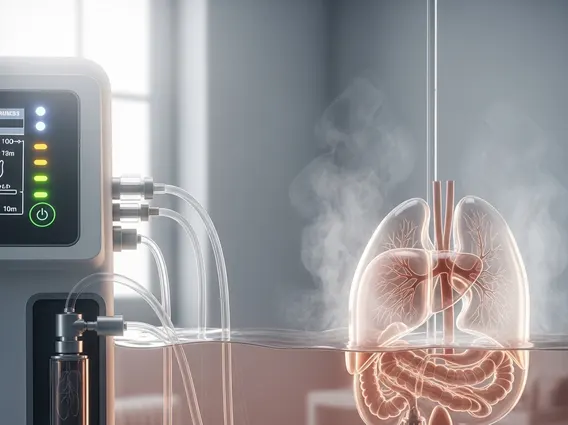
- Regional Hyperthermia: This involves heating a larger area of tissue or an organ. Techniques include deep tissue hyperthermia (using external applicators for deeper tumors) and regional perfusion (where blood is removed from a part of the body, heated with chemotherapy drugs, and then returned).
- Whole-Body Hyperthermia: The entire body is heated to temperatures that are typically lower than those used in local or regional hyperthermia, often to treat metastatic cancer. This can be achieved using thermal chambers or warm water blankets.
Each method is chosen based on the type, size, and location of the cancer, as well as the patient’s overall health, to ensure the most effective and safest treatment.
Benefits of Hyperthermia in Cancer Treatment
The benefits of hyperthermia cancer treatment are primarily observed when it is integrated into a comprehensive oncology plan. One of the most significant advantages is its ability to sensitize cancer cells to radiation and chemotherapy. For instance, studies have shown that combining hyperthermia with radiation therapy can improve local tumor control rates, particularly for certain types of soft tissue sarcomas and recurrent breast cancer. According to the National Cancer Institute, hyperthermia can increase the effectiveness of radiation therapy by 1.5 to 2 times in some cases, without significantly increasing toxicity to normal tissues.
Beyond enhancing other therapies, hyperthermia can also directly kill cancer cells that may be resistant to radiation or chemotherapy. It can induce apoptosis (programmed cell death) and inhibit the repair of damaged cells. Furthermore, hyperthermia has been shown to stimulate the immune system, potentially leading to an enhanced anti-tumor response. By improving blood flow to tumors, it can also help overcome hypoxia (low oxygen levels) within tumors, which is a known factor contributing to treatment resistance. These combined effects contribute to better tumor shrinkage, improved disease control, and potentially longer survival rates for patients.