Hyperpigmentation
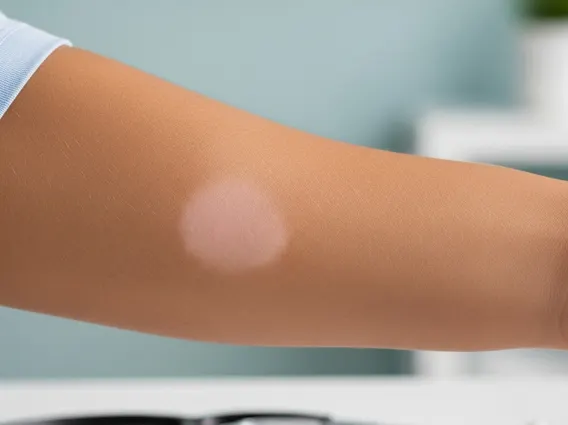
Hyperpigmentation is a common skin condition characterized by the darkening of skin patches due to an excess production of melanin, the pigment responsible for skin color. This condition can affect people of all skin types and tones, presenting in various forms and severities.

Key Takeaways
- Hyperpigmentation results from increased melanin production, leading to darker skin patches.
- Common causes of skin hyperpigmentation include sun exposure, inflammation, hormonal changes, and certain medications.
- Key types of hyperpigmentation on face include melasma, sunspots, and post-inflammatory hyperpigmentation.
- Various hyperpigmentation treatment options explained range from topical creams to professional procedures like laser therapy.
- Early identification and consistent treatment, often combined with sun protection, are crucial for managing the condition.
What is Hyperpigmentation?
Hyperpigmentation refers to a dermatological condition where certain areas of the skin become darker than the surrounding skin. This darkening occurs when melanocytes, the cells responsible for producing melanin, produce an excessive amount of this pigment. Melanin is a natural pigment that gives color to skin, hair, and eyes, and its overproduction can be triggered by various internal and external factors. While generally harmless, hyperpigmentation can be a cosmetic concern. It is a widespread condition, with various forms affecting millions globally; for instance, melasma, a specific type, is estimated to affect 5 to 6 million people in the United States alone, predominantly women, according to the American Academy of Dermatology (AAD).
Understanding what is hyperpigmentation involves recognizing that it is not a single disease but rather a symptom or outcome of underlying processes. The excess melanin can deposit in the epidermis (superficial layer) or the dermis (deeper layer) of the skin, influencing the appearance and the approach to treatment. The appearance can range from small, localized spots to larger, diffuse patches, varying in color from light brown to black.
Causes and Types of Hyperpigmentation
The development of hyperpigmentation is often multifaceted, stemming from a combination of genetic predisposition and environmental triggers. The primary causes of skin hyperpigmentation include prolonged exposure to ultraviolet (UV) radiation from the sun, which stimulates melanin production as a protective mechanism. Hormonal fluctuations, such as those experienced during pregnancy or due to oral contraceptives, can also lead to increased pigmentation. Skin inflammation or injury, resulting from acne, eczema, or trauma, can leave behind dark spots known as post-inflammatory hyperpigmentation. Furthermore, certain medications, like some antibiotics or antimalarials, can induce drug-induced hyperpigmentation.
There are several distinct types of hyperpigmentation on face and other body parts, each with its characteristic appearance and underlying cause. Recognizing these types is crucial for effective diagnosis and treatment planning. Below is a table outlining the common types:
| Type of Hyperpigmentation | Primary Cause | Appearance & Common Location |
|---|---|---|
| Melasma | Hormonal changes (pregnancy, birth control), sun exposure | Symmetrical, patchy brown or gray-brown discoloration, often on cheeks, forehead, upper lip, chin. |
| Sunspots (Lentigines) | Chronic sun exposure, aging | Small, flat, dark spots (light brown to black), typically on sun-exposed areas like face, hands, shoulders. |
| Post-inflammatory Hyperpigmentation (PIH) | Skin injury or inflammation (acne, eczema, burns, cuts) | Flat spots ranging from pink, red, brown, or black, appearing where skin injury occurred. |
Other less common types include freckles, which are small, light brown spots that often appear in childhood and darken with sun exposure, and drug-induced hyperpigmentation, which can manifest in various patterns depending on the medication.
Hyperpigmentation Treatment Options
Managing hyperpigmentation typically involves a combination of approaches aimed at reducing melanin production, removing existing pigment, and preventing further darkening. The selection of hyperpigmentation treatment options explained below depends on the type, severity, and depth of the pigmentation, as well as the individual’s skin type and overall health.
Common treatment strategies include:
- Topical Agents: These are often the first line of treatment and include ingredients like hydroquinone, retinoids (tretinoin, adapalene), azelaic acid, kojic acid, vitamin C, and niacinamide. These work by inhibiting melanin production or accelerating skin cell turnover to shed pigmented cells.
- Chemical Peels: Dermatologists apply chemical solutions to exfoliate the top layers of the skin, promoting the growth of new, less pigmented skin. Glycolic acid, salicylic acid, and trichloroacetic acid (TCA) peels are commonly used.
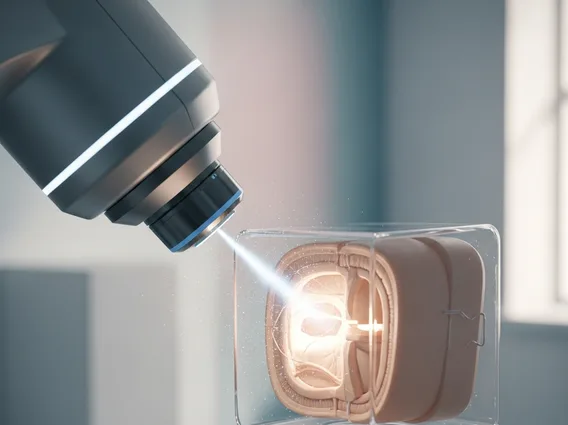
- Laser and Light Therapies: Procedures such as intense pulsed light (IPL), Q-switched lasers, and fractional lasers target melanin in the skin, breaking it down so the body can naturally remove it. These treatments require careful application by a qualified professional to avoid adverse effects.
- Microneedling: This procedure involves using fine needles to create micro-injuries in the skin, stimulating collagen production and enhancing the penetration of topical treatments. It can be combined with other therapies for improved results.
Regardless of the chosen treatment, strict sun protection is paramount. Daily use of broad-spectrum sunscreen with an SPF of 30 or higher, along with protective clothing and seeking shade, helps prevent existing hyperpigmentation from worsening and new spots from forming. It is important to consult with a dermatologist to determine the most appropriate and effective treatment plan for individual needs. Information on alternative or complementary therapies is supportive only and does not replace professional medical treatment.