Hyperfractionation
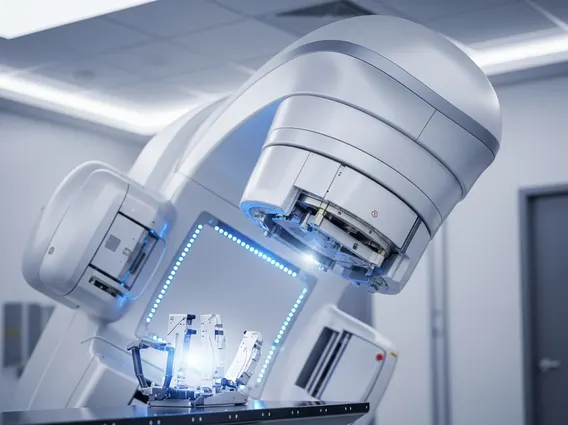
Hyperfractionation is an advanced radiation therapy technique used in oncology that involves delivering radiation in smaller, more frequent doses over a shorter overall treatment time compared to conventional methods.
Key Takeaways
- Hyperfractionation delivers radiation in smaller doses multiple times a day.
- The primary goal is to increase tumor cell kill while minimizing damage to healthy tissues.
- It is often employed for rapidly proliferating tumors and certain pediatric cancers.
- Benefits include improved local tumor control and a potential reduction in late side effects.
- It differs from conventional fractionation in its dose per fraction, frequency, and total treatment duration.
What is Hyperfractionation?
Hyperfractionation refers to a specialized approach in radiation therapy where the total radiation dose is divided into smaller individual doses, or fractions, delivered more than once a day. This technique is a form of hyperfractionation radiation therapy explained by its characteristic of increasing the number of fractions while reducing the dose per fraction, typically with at least six hours between treatments to allow for normal tissue repair. The primary goal of this method is to enhance the killing of cancer cells, particularly those that reproduce quickly, by delivering radiation more frequently. Simultaneously, it aims to minimize damage to healthy surrounding tissues by allowing them more time to repair between the smaller, frequent doses, thereby potentially reducing long-term side effects. This strategy leverages radiobiological principles, specifically the alpha/beta ratio of tissues, to exploit differences in repair capabilities between tumor cells and normal cells, aiming for a higher therapeutic ratio.
Benefits of Hyperfractionation Treatment
The adoption of benefits of hyperfractionation treatment stems from its potential to improve therapeutic outcomes in various cancers, particularly those that are aggressive or located near critical organs. By delivering radiation in smaller, more frequent doses, hyperfractionation can achieve a higher total biological dose to the tumor without significantly increasing acute toxicity to surrounding healthy tissues. This approach is particularly advantageous for tumors with rapid cell turnover, as it can overcome the tumor’s ability to repair radiation damage between fractions, leading to more effective tumor cell eradication.
Key benefits often observed with this treatment modality include:
- Improved Local Control: Clinical evidence suggests that hyperfractionation can lead to better local tumor control, especially in certain head and neck cancers, lung cancers, and pediatric brain tumors. This is attributed to its enhanced ability to target and destroy rapidly dividing cancer cells more effectively.
- Reduced Late Side Effects: The smaller dose per fraction allows normal tissues to repair more effectively between treatments. This can potentially reduce the incidence and severity of late radiation-induced side effects, such as damage to the spinal cord, brain, or other sensitive organs, which is a significant concern in conventional radiotherapy.
- Enhanced Therapeutic Ratio: By optimizing the balance between tumor cell kill and normal tissue sparing, hyperfractionation aims to widen the therapeutic window. This means it increases the likelihood of eradicating the tumor while minimizing harm to critical organs, thereby improving the overall quality of life for patients post-treatment.
Hyperfractionation vs. Conventional Fractionation
Understanding the distinction between hyperfractionation vs conventional fractionation is crucial for appreciating the unique advantages and applications of each approach in radiation oncology. Conventional fractionation, the most common method, typically involves delivering one relatively large dose of radiation per day, five days a week, over several weeks. This schedule is designed to maximize tumor cell death while allowing healthy tissues adequate time for repair between daily treatments. In contrast, hyperfractionation delivers smaller doses multiple times a day, often twice daily, with a minimum interval of six hours between fractions. This results in a shorter overall treatment duration and a higher total dose delivered over that condensed period.
| Feature | Hyperfractionation | Conventional Fractionation |
|---|---|---|
| Dose per Fraction | Smaller (e.g., 1.1-1.2 Gy) | Larger (e.g., 1.8-2.0 Gy) |
| Fractions per Day | Multiple (e.g., 2-3) | Single (1) |
| Total Treatment Time | Often Shorter (e.g., 3-5 weeks) | Typically Longer (e.g., 6-7 weeks) |
| Interval Between Fractions | At least 6 hours (to allow normal tissue repair) | Approximately 24 hours |
| Targeted Tumors | Rapidly proliferating tumors, certain pediatric cancers, head and neck cancers | Wide range of solid tumors |
| Radiobiological Rationale | Exploits faster tumor cell repopulation and differential normal tissue repair | Maximizes tumor cell kill while managing acute toxicity |
The choice between hyperfractionation and conventional fractionation is a complex clinical decision. It depends on various factors, including the specific type and stage of cancer, the tumor’s location and proximity to critical organs, the patient’s overall health status, and the expected radiobiological response of both tumor and normal tissues. Clinical oncologists meticulously assess these factors, often drawing upon extensive clinical trial data, to determine the most appropriate and effective radiation therapy regimen for each individual patient, aiming to optimize outcomes and minimize side effects.