Hyperfractionated Radiation Therapy
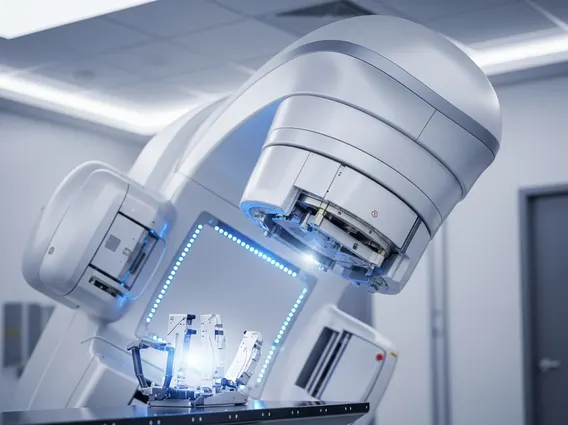
Hyperfractionated radiation therapy is an advanced approach to cancer treatment that involves delivering radiation in smaller, more frequent doses over a shorter period. This method aims to enhance tumor control while minimizing damage to healthy tissues, offering a refined strategy in oncology.

Key Takeaways
- Hyperfractionated radiation therapy delivers radiation in multiple, smaller doses per day.
- This approach can improve tumor control and potentially reduce long-term side effects.
- It is often considered for specific types of cancers, especially those with rapidly dividing cells.
- Managing side effects involves close monitoring and supportive care tailored to individual patient needs.
What is Hyperfractionated Radiation Therapy?
Hyperfractionated radiation therapy refers to a specialized radiation treatment schedule where the total dose of radiation is divided into smaller individual doses, or “fractions,” delivered more than once a day. Unlike conventional radiation therapy, which typically administers one fraction per day, hyperfractionation involves two or more fractions daily, often with several hours of rest between treatments to allow normal cells to repair themselves while tumor cells are less capable of doing so.
This treatment strategy is designed to exploit differences in how healthy cells and cancer cells respond to radiation. By delivering smaller doses more frequently, it aims to increase the total biological dose to the tumor while allowing healthy surrounding tissues more time to recover between fractions. This approach is particularly beneficial for certain types of cancers, such as head and neck cancers or some pediatric tumors, where the cancer cells may have a faster repopulation rate, making them more susceptible to the effects of more frequent radiation exposure.
How hyperfractionated radiation therapy works involves careful planning by a radiation oncologist. The treatment schedule is precisely calculated to optimize the therapeutic ratio, meaning maximizing the damage to cancer cells while minimizing harm to healthy cells. This typically includes a higher total dose delivered over a shorter overall treatment time compared to conventional fractionation, leading to potentially better local control of the tumor.
Advantages of Hyperfractionated Radiation Therapy
Hyperfractionated radiation therapy offers several significant advantages, primarily centered on improving treatment efficacy and patient outcomes. The primary goal is to enhance the tumor’s response to radiation while simultaneously reducing the risk of long-term complications to healthy tissues.
The key **hyperfractionated radiation therapy benefits** include:
- Improved Tumor Control: Delivering radiation in smaller, more frequent doses can be more effective against certain fast-growing tumors, potentially leading to higher rates of local tumor control. This is because it can overcome the accelerated repopulation of cancer cells that might occur during longer breaks in conventional therapy.
- Reduced Late Side Effects: While acute side effects might be similar or slightly increased, the smaller fraction size often allows normal tissues to repair more effectively, potentially reducing the incidence and severity of late-occurring side effects, such as fibrosis or tissue damage, compared to conventional fractionation schedules.
- Enhanced Therapeutic Ratio: By optimizing the timing and size of radiation doses, hyperfractionation aims to increase the difference in response between tumor cells and healthy cells, thereby improving the overall effectiveness of the treatment.
- Potential for Dose Escalation: In some cases, the hyperfractionated approach allows for a higher total radiation dose to be delivered to the tumor without exceeding the tolerance limits of surrounding healthy tissues, further improving the chances of tumor eradication.
Studies, such as those cited by the National Cancer Institute, have shown that for specific cancer types, hyperfractionation can lead to improved survival rates and better local control, reinforcing its role as a valuable treatment option.
Managing Hyperfractionated Radiation Therapy Side Effects
While hyperfractionated radiation therapy is designed to be highly effective, patients may still experience side effects, which are generally managed proactively throughout the treatment course. The nature and severity of these effects depend on the treated area, the total dose, and individual patient factors.
Common **hyperfractionated radiation therapy side effects** often include acute reactions such as skin irritation, fatigue, and inflammation in the treated area. For example, patients receiving treatment for head and neck cancers might experience mucositis (inflammation of mucous membranes), difficulty swallowing, or changes in taste. These acute side effects are typically temporary and resolve within weeks or months after the completion of therapy.
Effective management strategies are crucial for patient comfort and treatment adherence. These may include:
| Side Effect Category | Common Manifestations | Management Strategies |
|---|---|---|
| Skin Reactions | Redness, dryness, itching, peeling | Topical creams, gentle cleansing, avoiding sun exposure |
| Fatigue | Persistent tiredness, lack of energy | Rest, light exercise, balanced nutrition, hydration |
| Gastrointestinal Issues | Nausea, diarrhea (depending on treatment site) | Anti-nausea medications, dietary modifications, hydration |
| Oral/Throat Issues | Sore mouth, difficulty swallowing, dry mouth (for head/neck) | Pain relievers, mouth rinses, soft diet, saliva substitutes |
Long-term or late side effects are less common with hyperfractionation due to the smaller fraction sizes but can still occur. These might include tissue fibrosis, changes in organ function, or secondary cancers, though the latter is rare. Close monitoring by the oncology team, including regular follow-up appointments, is essential to identify and manage any potential long-term complications, ensuring the best possible quality of life for patients post-treatment.