Hyperbaric Oxygen
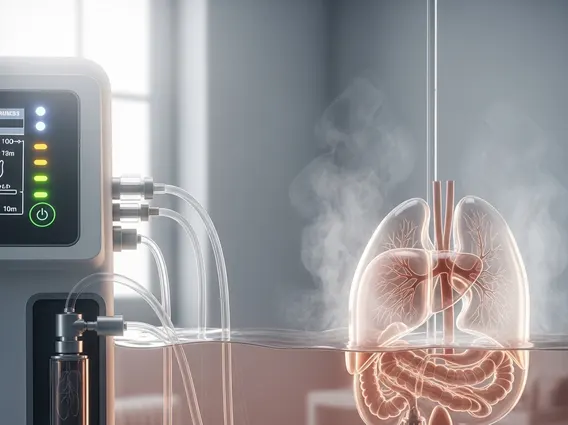
Hyperbaric Oxygen Therapy is a medical treatment that involves breathing pure oxygen in a pressurized environment. This therapy significantly increases the amount of oxygen dissolved in the blood, aiding the body’s natural healing processes.
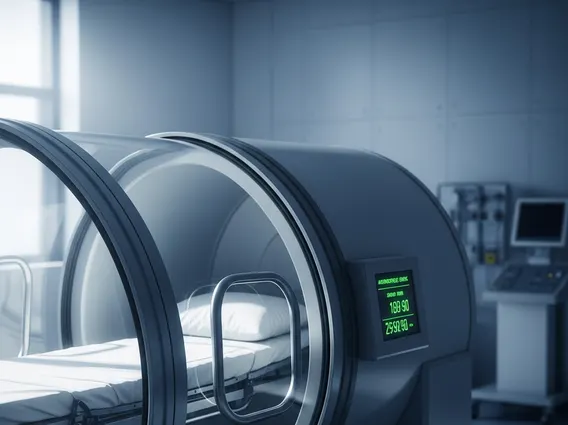
Key Takeaways
- Hyperbaric Oxygen Therapy (HBOT) delivers 100% oxygen at pressures greater than atmospheric pressure.
- It works by dissolving more oxygen into the blood plasma, which can reach areas with compromised blood flow.
- HBOT is used for various medical conditions, including decompression sickness, severe infections, and non-healing wounds.
- Benefits include enhanced healing, reduced inflammation, and improved infection control.
- Potential risks are generally mild, such as ear discomfort, but serious complications like oxygen toxicity are rare.
What is Hyperbaric Oxygen Therapy?
Hyperbaric Oxygen Therapy (HBOT) is a specialized medical treatment where a patient breathes 100% pure oxygen inside a pressurized chamber. The atmospheric pressure inside these chambers is typically two to three times greater than the normal atmospheric pressure at sea level. This elevated pressure allows the lungs to gather significantly more oxygen than would be possible by breathing pure oxygen at normal air pressure, leading to a substantial increase in oxygen dissolved in the bloodstream.
The primary goal of HBOT is to saturate the body’s tissues with oxygen, especially in areas where blood flow is compromised or where healing is impaired. This enhanced oxygen delivery supports various physiological processes essential for recovery and combating certain medical conditions, making it a valuable adjunctive therapy in specific clinical scenarios.
Mechanism and Medical Applications of Hyperbaric Oxygen Therapy
The core principle of how hyperbaric oxygen therapy works lies in Henry’s Law, which states that the amount of gas dissolved in a liquid is proportional to its partial pressure. By increasing the ambient pressure and the partial pressure of oxygen, HBOT forces more oxygen into the blood plasma, red blood cells, and other body fluids. This super-oxygenated blood can then reach areas that are poorly perfused due to injury, infection, or disease, promoting healing and reducing inflammation.
The increased oxygen levels facilitate several therapeutic effects, including stimulating the growth of new blood vessels (angiogenesis), reducing swelling, enhancing the activity of white blood cells to fight infection, and promoting the growth of fibroblasts and collagen for tissue repair. These mechanisms underpin the diverse hyperbaric oxygen therapy uses, which are often FDA-approved for specific conditions.
Common medical applications for which HBOT is recognized include:
- Decompression sickness (the “bends”)
- Carbon monoxide poisoning
- Crush injuries and traumatic ischemia
- Diabetic foot ulcers and other non-healing wounds
- Radiation injury (osteoradionecrosis, soft tissue radionecrosis)
- Severe anemia (when transfusions are not possible)
- Gas embolism
- Necrotizing soft tissue infections (e.g., gangrene)
- Compromised skin grafts and flaps
For instance, chronic wounds, such as diabetic foot ulcers, affect millions globally, and HBOT can significantly improve healing rates, reducing the risk of amputation. According to the Centers for Disease Control and Prevention (CDC), diabetes affects over 37 million Americans, many of whom are at risk for such complications.
Benefits and Potential Risks of Hyperbaric Oxygen Treatment
The benefits of hyperbaric oxygen treatment are extensive for appropriate conditions. Patients often experience accelerated wound healing, particularly in chronic, non-healing wounds that have resisted conventional treatments. The therapy also helps reduce inflammation and swelling, which can alleviate pain and improve recovery from injuries. Furthermore, HBOT enhances the body’s ability to fight certain infections by boosting the effectiveness of antibiotics and directly inhibiting the growth of anaerobic bacteria.
While generally safe, there are potential hyperbaric oxygen therapy risks. The most common side effects are related to the pressure changes, such as ear discomfort or barotrauma (injury to the ear or sinuses), which can usually be managed by equalizing pressure. Temporary vision changes, typically nearsightedness, may occur but usually resolve after treatment cessation. More serious complications, such as oxygen toxicity leading to seizures, are rare but possible, especially with prolonged exposure to very high oxygen concentrations. Other considerations include claustrophobia in some patients due to the enclosed chamber environment and potential interactions with certain medications. A thorough medical evaluation is always conducted to assess suitability and minimize risks before commencing HBOT.