Hyper Cvad
Hyper Cvad is a complex medical condition characterized by specific physiological changes that can significantly impact patient health. Understanding this condition is crucial for accurate diagnosis and effective management.
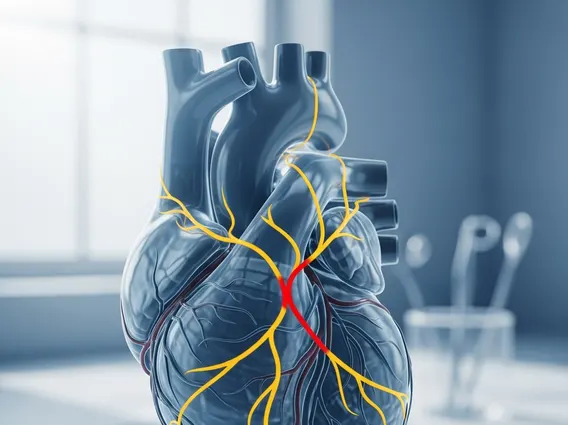
Key Takeaways
- Hyper Cvad is a distinct medical condition with specific diagnostic criteria.
- It involves a range of symptoms that can vary in intensity among individuals.
- Multiple factors, including genetic predispositions and environmental influences, contribute to its development.
- Early recognition of symptoms is vital for timely intervention and improved patient outcomes.
- Effective management strategies often involve a multi-faceted approach tailored to individual patient needs.
What is Hyper Cvad?
Hyper Cvad refers to a medical condition characterized by an abnormal increase in a particular physiological process or a specific cellular dysfunction within the body. The exact nature of this process or dysfunction defines the specific subtype and clinical presentation of the condition. While its prevalence can vary globally, recent epidemiological data suggest that conditions involving similar physiological dysregulations affect a significant portion of the population, with estimates indicating that such complex conditions impact approximately 1-2% of adults worldwide, according to reports from leading health organizations.
The Hyper Cvad meaning and definition highlight its classification as a disorder that can affect various organ systems, depending on the primary site of the hyperactivity or cellular anomaly. Understanding Hyper Cvad involves recognizing that it is not a single disease but rather a spectrum of related conditions that share a common underlying pathological mechanism. This makes accurate diagnosis challenging but essential, as treatment approaches are often tailored to the specific manifestation of the condition in each patient. Research continues to uncover the intricate molecular pathways involved, paving the way for more targeted therapies.
Symptoms and Causes of Hyper Cvad
The symptoms associated with Hyper Cvad can be diverse, reflecting the systemic nature of the condition and the various organ systems it may impact. These manifestations often develop gradually, making early detection challenging. Common indicators can include:
- Persistent fatigue and general malaise, not relieved by rest.
- Unexplained weight fluctuations, either gain or loss.
- Digestive disturbances such as chronic abdominal pain, bloating, or altered bowel habits.
- Neurological symptoms, including headaches, dizziness, or difficulty concentrating.
- Cardiovascular irregularities, such as palpitations or changes in blood pressure.
- Skin manifestations, such as rashes or unusual sensitivity.
The symptoms and causes of Hyper Cvad are often intertwined, with the underlying causes dictating the specific symptomatic profile. While the precise etiology of Hyper Cvad is still under extensive investigation, current research points to a multifactorial origin. Genetic predispositions are believed to play a significant role, with certain genetic markers increasing an individual’s susceptibility. Environmental factors, such as exposure to specific toxins, chronic stress, or certain dietary patterns, are also thought to contribute to the development and progression of the condition. Furthermore, dysregulation of the immune system and metabolic imbalances have been identified as potential contributing factors, leading to the characteristic physiological changes observed in patients with Hyper Cvad.