Hydrostat Ir
Hydrostat Ir represents a significant area within clinical oncology, referring to a specific physiological or pathological state that requires precise monitoring and understanding. This article delves into its definition, the advanced sensing mechanisms employed for its detection, and its crucial applications in medical diagnostics and patient management.
Key Takeaways
- Hydrostat Ir is a critical medical or oncological term, denoting a specific physiological condition.
- Hydrostat IR sensors are advanced tools designed to detect and monitor parameters associated with Hydrostat Ir.
- These sensors utilize infrared technology to provide non-invasive, real-time data.
- The functioning of Hydrostat IR sensors involves specific principles for accurate measurement.
- Applications of Hydrostat IR technology span diagnostics, treatment monitoring, and research in clinical settings.
What is Hydrostat Ir?
Hydrostat Ir refers to a complex physiological state or a specific biomarker profile observed within a clinical context, particularly in oncology. It is characterized by certain measurable parameters that indicate a deviation from normal homeostatic balance, often associated with disease progression, therapeutic response, or even predisposition to certain conditions. The precise Hydrostat definition involves a combination of cellular, biochemical, and biophysical markers that collectively define this state. Understanding Hydrostat Ir is paramount for early detection, accurate diagnosis, and effective management strategies in affected individuals, as its identification often guides clinicians in tailoring personalized treatment plans and assessing prognosis. This medical term underscores a critical area of focus for improving patient outcomes.
How Hydrostat Ir Sensors Function
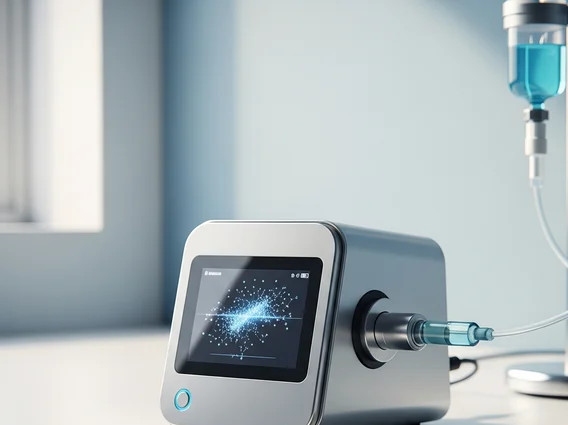
The detection and monitoring of Hydrostat Ir are primarily facilitated by specialized Hydrostat IR sensor explanation. These sensors operate on the principle of infrared spectroscopy, leveraging the unique absorption and reflection properties of biological tissues and fluids in the infrared spectrum. When infrared light is emitted towards a target area, specific molecules associated with Hydrostat Ir absorb or scatter the light in a characteristic manner. The sensor then detects the changes in the reflected or transmitted infrared signal.
The process of how these sensors work typically involves:
- Emission: An infrared light source within the sensor emits a controlled beam towards the biological tissue or fluid.
- Interaction: The infrared light interacts with the biological components, including water, proteins, lipids, and other biomarkers relevant to Hydrostat Ir, causing specific absorption or scattering patterns.
- Detection: A highly sensitive photodetector within the sensor captures the modified infrared light signal after its interaction with the target.
- Analysis: The collected spectral data is then processed by sophisticated algorithms that interpret the unique spectral signature, correlating it with the presence and intensity of Hydrostat Ir.
This non-invasive approach allows for continuous or intermittent monitoring without the need for tissue biopsies or blood draws, making it particularly valuable for sensitive patient populations and long-term observation. The precision of these sensors is crucial for distinguishing subtle changes indicative of Hydrostat Ir.
Applications of Hydrostat IR Technology
The utility of Hydrostat IR technology extends across various clinical domains, offering significant advantages in diagnostics, patient monitoring, and therapeutic assessment. The comprehensive understanding of Hydrostat definition and applications highlights its pivotal role in providing real-time, actionable insights that can transform patient care.
Key applications include:
- Early Disease Detection: Identifying the subtle markers of Hydrostat Ir before overt symptoms manifest, potentially leading to earlier intervention and significantly improved outcomes. This is crucial in conditions where early diagnosis dramatically impacts survival rates.
- Treatment Efficacy Monitoring: Continuously assessing a patient’s response to ongoing therapies by tracking dynamic changes in Hydrostat Ir parameters, allowing for timely adjustments to treatment protocols and minimizing adverse effects.
- Prognostic Assessment: Utilizing detailed Hydrostat Ir profiles to predict disease progression, recurrence risk, or overall patient prognosis, thereby aiding clinicians in personalized patient counseling and strategic care planning.
- Research and Drug Development: Facilitating the study of underlying disease mechanisms and the rigorous evaluation of novel therapeutic agents by providing objective, quantifiable data on Hydrostat Ir, accelerating the development of new treatments.
For instance, in oncology, monitoring Hydrostat Ir levels can help differentiate between benign and malignant growths or track the effectiveness of chemotherapy and radiation treatments. According to a report by the World Health Organization (WHO), early and accurate diagnostic tools are paramount in improving cancer survival rates globally, underscoring the potential impact of technologies like Hydrostat IR in achieving these critical public health goals.