Humidifier
A humidifier is a device designed to increase moisture levels in the air, offering various benefits, particularly in dry environments. Understanding its function and proper use is crucial for optimizing its potential health advantages.
Key Takeaways
- Humidifiers add moisture to the air, alleviating symptoms caused by dryness.
- They operate through various mechanisms, including evaporative, ultrasonic, and warm mist technologies.
- Proper humidity levels can improve respiratory health, skin conditions, and overall comfort.
- Regular cleaning and maintenance are essential to prevent mold and bacterial growth within the device.
What is a Humidifier and How Does It Work?
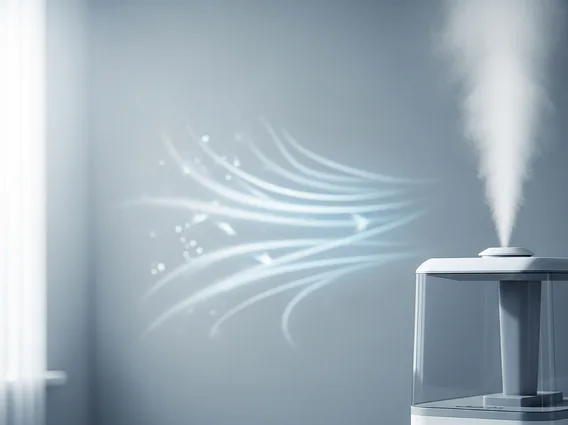
A Humidifier is an electrical appliance designed to release water vapor or mist into the air, thereby increasing the humidity level within a room or an entire building. This process is essential for counteracting the adverse effects of dry air, which is particularly common during colder months when heating systems are in use, or in naturally arid climates. The fundamental principle behind how a humidifier works involves converting liquid water into a fine mist or vapor that disperses into the surrounding atmosphere, effectively raising the relative humidity.
The operational mechanism typically begins with a water reservoir inside the device. Depending on the specific type, this stored water is then processed: it might be heated to produce sterile steam, vibrated at ultrasonic frequencies to create a cool mist, or drawn through a wick filter where a fan blows air over its surface, facilitating natural evaporation. As these microscopic water particles become airborne, they mix with the existing air, significantly increasing its moisture content. Many advanced humidifiers are equipped with a humidistat, a sensor that continuously monitors the room’s current humidity levels. This allows the device to automatically activate or deactivate, precisely maintaining a user-defined optimal moisture level and preventing issues associated with over-humidification, such as condensation or mold growth.
Types of Humidifiers and Their Mechanisms
There are several distinct types of humidifiers, each employing a unique method to introduce moisture into the air. Understanding these differences can help in selecting the most suitable device for specific needs, addressing the topic of different types of humidifiers explained.
| Type | Mechanism | Key Features |
|---|---|---|
| Evaporative Humidifiers | Use a fan to blow air over a saturated wick filter, causing water to evaporate naturally into the air. | Self-regulating (humidity output decreases as air becomes more saturated), energy-efficient, generally safer for children as there is no hot mist. |
| Ultrasonic Humidifiers | Utilize high-frequency vibrations to create a fine, cool mist from water, which is then dispersed into the room. | Quiet operation, produces a visible mist, available in both cool and warm mist versions, requires distilled water to prevent white dust. |
| Warm Mist Humidifiers | Boil water to create steam, which is then released into the air. The boiling process can kill some bacteria and molds. | Sterile mist, can slightly warm the room, often quieter than evaporative types, but poses a burn risk due to hot water/steam. |
| Cool Mist Humidifiers | Can be either evaporative or ultrasonic. They release room-temperature mist, making them safer for households with children or pets. | No heating element, safer, can be noisier (evaporative) or very quiet (ultrasonic), requires regular cleaning to prevent mold. |
Health Benefits and Uses of Humidifiers
The benefits of using a humidifier at home are extensive, offering significant health advantages, especially in environments characterized by low humidity. Maintaining an optimal indoor humidity level, generally recommended to be between 30% and 50%, can effectively alleviate a wide array of symptoms and conditions often exacerbated by dry air.
One of the most significant humidifier health benefits and uses is the substantial relief it provides for respiratory discomfort. Dry air can severely irritate the delicate mucous membranes lining the nasal passages, throat, and lungs, leading to unpleasant symptoms such as persistent dry coughs, scratchy sore throats, and uncomfortable sinus congestion. By introducing moisture into the air, humidifiers help to soothe these irritated membranes, making breathing considerably easier and potentially reducing the severity and duration of common cold and flu symptoms. According to the Centers for Disease Control and Prevention (CDC), maintaining appropriate indoor humidity can help reduce the survival of airborne viruses, including influenza, although it is not a substitute for other preventative measures like handwashing and vaccination.
Beyond respiratory health, humidifiers prove highly beneficial for skin and hair. Dry air is notorious for stripping moisture from the skin, leading to dryness, flakiness, itching, and the worsening of pre-existing conditions like eczema and psoriasis. Increased atmospheric humidity helps the skin retain its natural moisture barrier, promoting a healthier, more supple complexion and preventing common issues such as chapped lips. Similarly, hair can suffer from brittleness and dryness in low humidity environments, and a humidifier can contribute to better overall hair hydration. For individuals prone to nosebleeds caused by excessively dry nasal passages, a humidifier can offer considerable relief by keeping the mucous membranes adequately moist. However, it is paramount to emphasize that regular cleaning and maintenance of humidifiers are absolutely crucial to prevent the growth and subsequent dispersion of harmful bacteria, mold, and fungi, which could otherwise undermine these potential health benefits and pose new risks.