Human Papillomavirus
Human Papillomavirus (HPV) is a common viral infection that can affect the skin and mucous membranes. It is one of the most widespread sexually transmitted infections globally, with various types that can lead to different health issues.

Key Takeaways
- Human Papillomavirus (HPV) is a highly common viral infection, often asymptomatic, with over 200 types.
- Symptoms can include warts, but high-risk HPV types are primarily associated with various cancers, including cervical, anal, and oropharyngeal.
- HPV is primarily transmitted through skin-to-skin contact, most commonly during sexual activity.
- Prevention is largely achieved through vaccination, which is highly effective, and practicing safe sex.
- The HPV vaccine is recommended for adolescents and young adults to prevent infection and related cancers.
What is Human Papillomavirus (HPV)?
Human Papillomavirus (HPV) refers to a group of more than 200 related viruses, some of which are transmitted through sexual contact. HPV infections are incredibly common, with most sexually active individuals acquiring at least one type of HPV at some point in their lives. The virus typically infects epithelial cells, leading to either asymptomatic infection or, in some cases, the development of warts or certain types of cancer.
These viruses are categorized into low-risk and high-risk types. Low-risk HPV types primarily cause benign conditions such as genital warts, which are non-cancerous growths. High-risk HPV types, however, are known to cause cell changes that can lead to various cancers, including cervical, anal, oropharyngeal, penile, vaginal, and vulvar cancers. Globally, HPV is responsible for over 90% of cervical cancers, according to the World Health Organization (WHO).
Human Papillomavirus Symptoms and Causes
The primary cause of Human Papillomavirus infection is direct skin-to-skin contact, most commonly through sexual activity, including vaginal, anal, and oral sex. It can also be transmitted through close skin contact in other areas. Many people who contract HPV will never develop symptoms, as their immune system clears the virus naturally. However, for those who do experience symptoms, they can vary significantly depending on the HPV type.
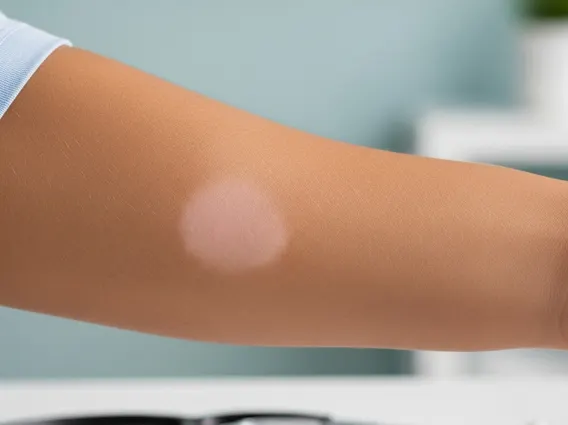
The most common visible human papillomavirus symptoms and causes include warts. These can appear as common warts on hands and feet, plantar warts on the soles of the feet, or flat warts on the face and body. Genital warts, caused by low-risk HPV types (most commonly HPV 6 and 11), appear as small bumps or groups of bumps in the genital or anal area. These warts can vary in size, shape, and number, and may be flat, raised, or cauliflower-shaped. While generally harmless, they can cause itching, discomfort, or bleeding.
High-risk HPV types, such as HPV 16 and 18, typically do not cause visible symptoms like warts. Instead, they can lead to precancerous cell changes in the cervix, anus, or throat, which may progress to cancer over many years if left undetected and untreated. Regular screenings, such as Pap tests for cervical cancer, are crucial for detecting these changes early.
Preventing HPV Infection and Vaccine Effectiveness
The most effective strategy for how to prevent human papillomavirus infection is vaccination. The HPV vaccine is a safe and highly effective tool designed to protect against the types of HPV that most commonly cause cancer and genital warts. It is recommended for adolescents, typically starting at age 11 or 12, but can be given to individuals up to age 26, and in some cases, older adults after discussion with a healthcare provider.
The human papillomavirus vaccine effectiveness is very high, preventing nearly 100% of infections and diseases caused by the HPV types it targets. For example, studies have shown that HPV vaccination has led to a significant reduction in cervical precancers and genital warts among vaccinated populations. According to the Centers for Disease Control and Prevention (CDC), HPV vaccination has reduced HPV infections by 88% among teen girls and 81% among young adult women. In addition to vaccination, other preventive measures include using condoms consistently and correctly during sexual activity, although condoms do not offer complete protection as HPV can infect areas not covered by a condom. Limiting the number of sexual partners can also reduce the risk of exposure.